Archive · 13 Nov 2025
US Military Strikes on Drug Vessels Face Legal Scrutiny

The U.S. military is attacking boats they believe are carrying drugs.
The government says these boats are run by dangerous criminals who are hurting America, and that the military is acting in self-defense, like protecting themselves.
They even have a secret legal paper saying their soldiers can't get in trouble for these attacks.
However, other countries and some experts think these attacks might be against the rules, like international laws that protect people.
They say the U.S. isn't following the usual ways of stopping drug boats and are worried about hurting innocent people.
Because of this, some allies are worried and have stopped helping the U.S. with information about drug boats.

The U.S. military has carried out at least 19 strikes against suspected drug vessels in the Pacific and Caribbean, resulting in at least 76 deaths.
The Trump administration justifies the strikes as self-defense against designated terrorist organizations responsible for deaths in the U.S.
The Justice Department has drafted a legal opinion asserting immunity from prosecution for U.S. military personnel involved in these strikes.
Critics and human rights groups argue the strikes may violate international and U.S. laws against extrajudicial killings.
U.S. allies, including France, the UK, and Colombia, have raised concerns about the legality of the operations and altered intelligence sharing.
- Who
- U.S. military personnel, President Trump's administration, Justice Department, drug-trafficking groups (designated as terrorist organizations), human rights groups, U.S. allies (France, UK, Colombia), legal experts.
- What
- The U.S. military has conducted strikes against suspected drug vessels, resulting in numerous deaths. The administration justifies these actions as self-defense against terrorist organizations, while critics and allies question their legality under international and U.S. law.
- When
- Since early September (strikes reported); legal opinion drafted recently.
- Where
- In the eastern Pacific and Caribbean coasts.
- Why
- The administration claims self-defense against drug cartels deemed responsible for thousands of deaths in the U.S., viewing them as unlawful combatants and terrorists. The Justice Department's legal opinion asserts immunity for U.S. troops involved.
Trump Administration's Justification
Critics' and Allies' Concerns
Legality of Strikes
Trump Administration's Justification
The administration claims to have all necessary authorizations, citing President Trump's constitutional role as commander-in-chief and his authority in foreign relations. The Justice Department has drafted a legal opinion asserting immunity for military personnel involved, deeming the strikes lawful orders consistent with the laws of armed conflict. The administration informed Congress that these actions are part of a 'non-international armed conflict' and justified as self-defense against 'unlawful combatants' responsible for thousands of deaths in the U.S.
Critics' and Allies' Concerns
Human rights groups and some legal experts condemn the strikes as illegal, extrajudicial killings. They argue the rationale falls short of U.S. and international law standards for self-defense, and that drug cartels do not fit the traditional definition of non-state armed groups for sustained political or ideological attacks. Critics question the administration's compliance with international law's requirement to distinguish between legitimate targets and civilians.
Approach to Drug Trafficking
Trump Administration's Justification
The administration views the designated trafficking groups as terrorist organizations and sees these strikes as a necessary departure from the perceived failure of traditional methods like using the U.S. Coast Guard for interdiction and prosecution.
Critics' and Allies' Concerns
The strikes significantly deviate from the established method of using the U.S. Coast Guard for drug interdiction and prosecution, raising questions about their justification and adherence to legal frameworks.
International Relations
Trump Administration's Justification
The administration believes its actions are justified by the cartels' impact on the U.S., including drug flow and violence.
Critics' and Allies' Concerns
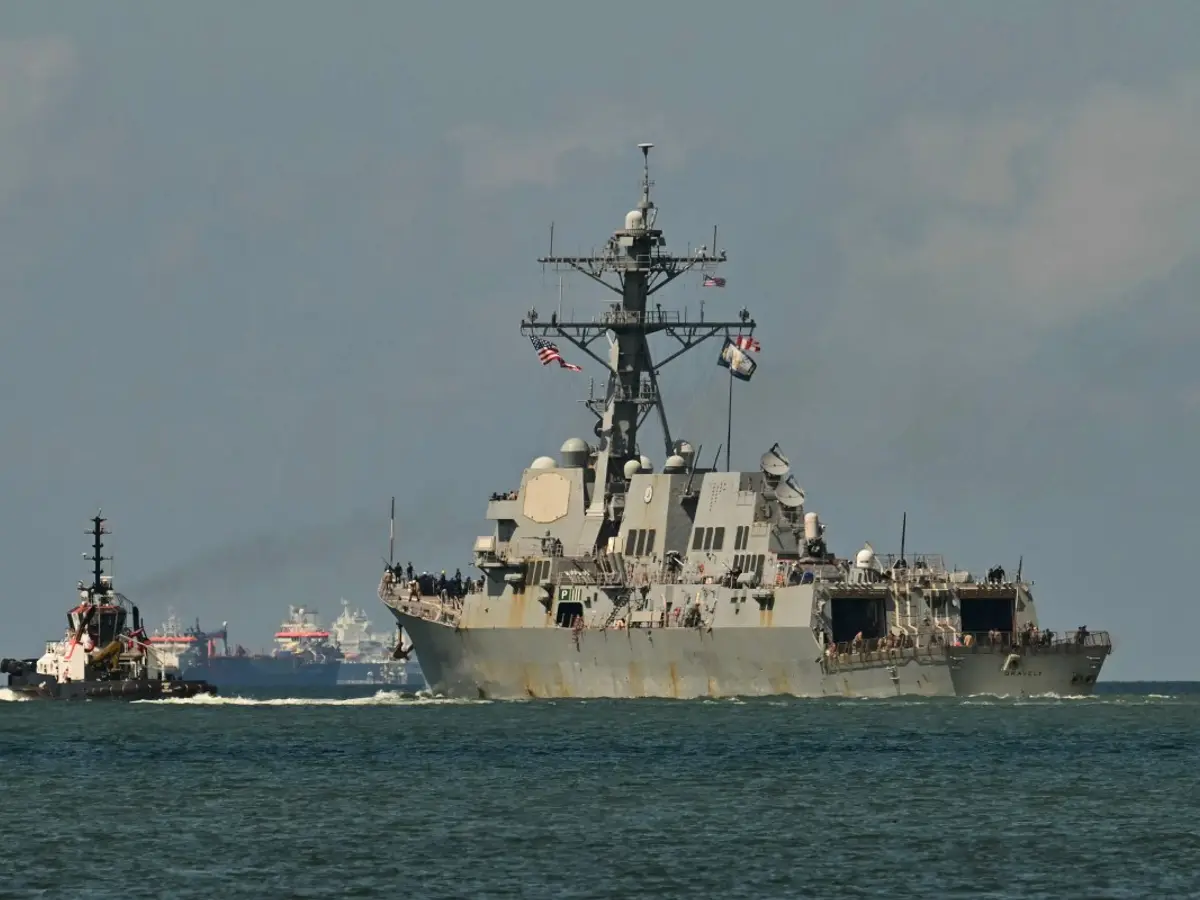
Allies like France are concerned that U.S. military operations in the Caribbean violate international law. The United Kingdom has stopped sharing intelligence due to concerns about illegality, and Colombia has temporarily suspended intelligence sharing with the U.S.
- Number of Strikes
- At least 19
- Number of Deaths
- At least 76
- Locations of Strikes
- Eastern Pacific and Caribbean coasts
- Administration's Stance
- Claims all necessary authorizations; views groups as terrorist organizations; asserts self-defense against unlawful combatants.
- Justice Department Opinion
- Drafted legal opinion supporting immunity for troops involved in strikes.
- Allied Concerns
- France, UK, and Colombia have expressed concerns over legality and suspended intelligence sharing.
Sources
Colombia orders to stop intelligence sharing with US after anti-drug strikes
UK suspends intelligence sharing with US, France expresses concern about the US violations in Carribbean

Rubio may face questions over legality of US strikes in Caribbean at G7 meeting

‘Al-Qaida of Western Hemisphere’: Pete Hegseth says US military has all authorities necessary to strike drug cartels
UK, Colombia halt intel to US over boat attacks
Explainer-Are the deadly US strikes on alleged drug vessels legal?
DOJ drafts legal opinion backing immunity for US troops involved in boat strikes, sources say