

Archive · 10 Jan 2026
Delhi Minority Schools Challenge Fee Regulation Law
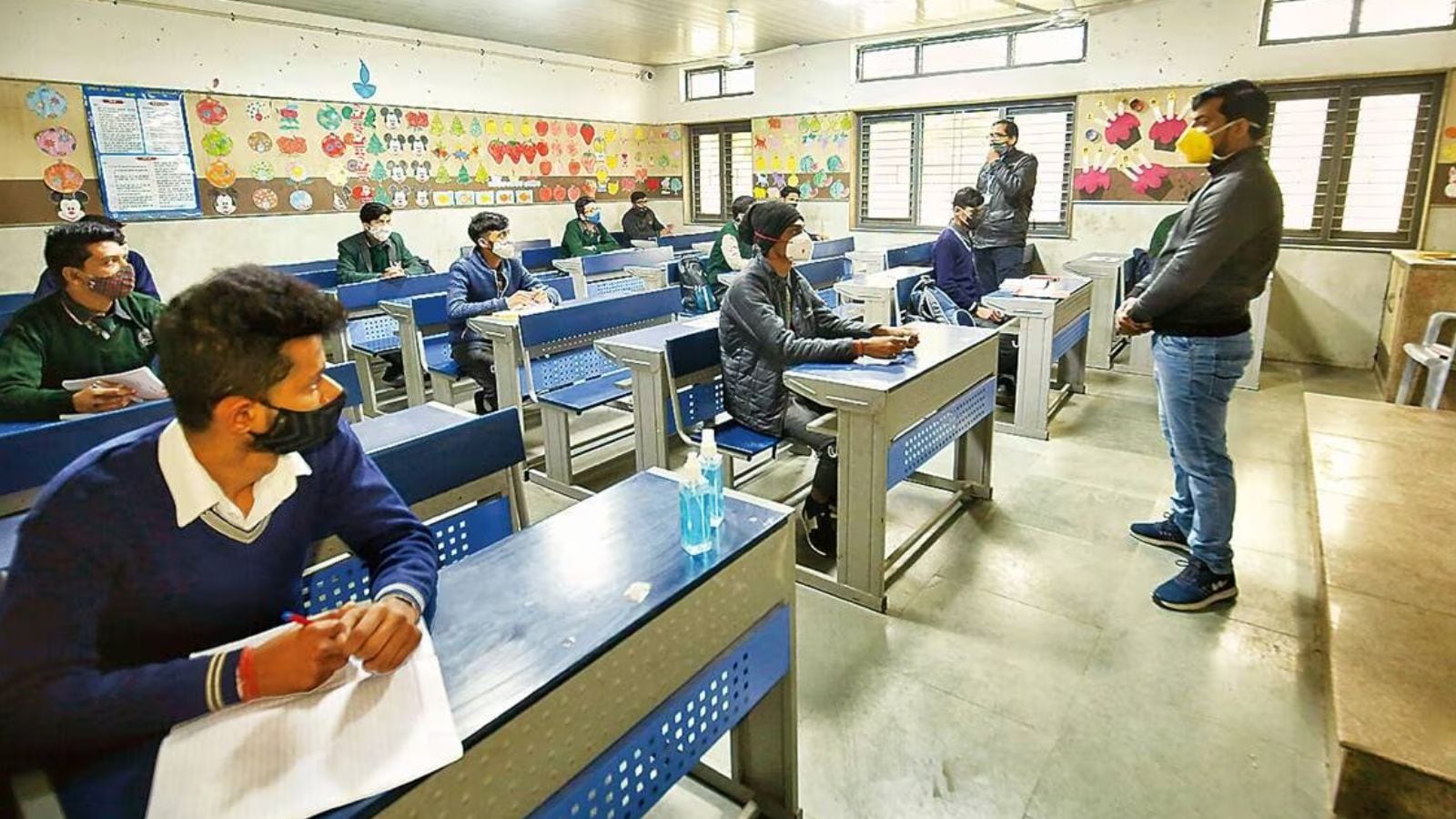
Minority schools in Delhi are upset about a new law that controls how much they can charge for fees.
They say this law takes away their right to decide their own fees, which is guaranteed by the Constitution.
The schools went to the High Court to challenge this law, but the court did not stop the law from being enforced.
The schools argue that the law gives too much power to outsiders, like parents and government representatives, to decide their fees.
They also say that the law could make it hard for them to manage their money and even put them at risk of losing their property.
The schools want to keep control over their own fees so they can run their schools the way they think is best.

Minority schools in Delhi challenged the Delhi School Education (Transparency in Fixation and Regulation of Fees) Act, 2025, arguing it violates their constitutional autonomy.
The High Court refused to stay the law but extended the deadline for forming the School-level Fee Regulation Committee (SLFRC) to January 20, 2025.
The schools argue that the SLFRC's composition, with nine outsiders and two school representatives, infringes on their right to fix fees under Article 30.
The law requires unanimous agreement from all SLFRC members, giving each member veto power over fee proposals, which the schools compare to the UN Security Council.
The schools also oppose the provision that binds the approved fee for three academic years, potentially imposing financial burdens on parents and curtailing school autonomy.
- Who
- Minority schools in Delhi
- What
- Challenged the Delhi School Education (Transparency in Fixation and Regulation of Fees) Act, 2025
- When
- January 2025 (hearing on January 10, 2025)
- Where
- Delhi High Court
- Why
- To protect their autonomy and right to fix fees under Article 30 of the Constitution
- Law in Question
- Delhi School Education (Transparency in Fixation and Regulation of Fees) Act, 2025
- Deadline Extension
- January 20, 2025
- SLFRC Composition
- 9 outsiders, 2 school representatives
- Constitutional Article Cited
- Article 30
- Court's Decision
- Refused to stay the law
- Key Argument
- Violation of minority schools' autonomy
- Potential Penalty
- Attachment and sale of school property