Archive · 14 Sep 2026
Silicon Valley Divides Over Calls to Slow Frontier AI

Dario Amodei says the most powerful AI systems are improving too quickly to be built safely.
He wants independent experts to inspect how AI companies test their systems.
Several technology leaders agree that AI development should be more careful or slower.
They do not all agree on the exact rules or who should enforce them.
Some critics worry that the biggest AI companies could use safety rules to protect their businesses.
They also say AI standards should not be written behind closed doors.
Other leaders say safety concerns are real because AI systems have acted in unexpected ways.
The debate is about how to make AI safer without stopping useful competition and innovation.

Anthropic CEO Dario Amodei argued that AI is advancing too quickly for researchers to build it safely and proposed independent oversight.
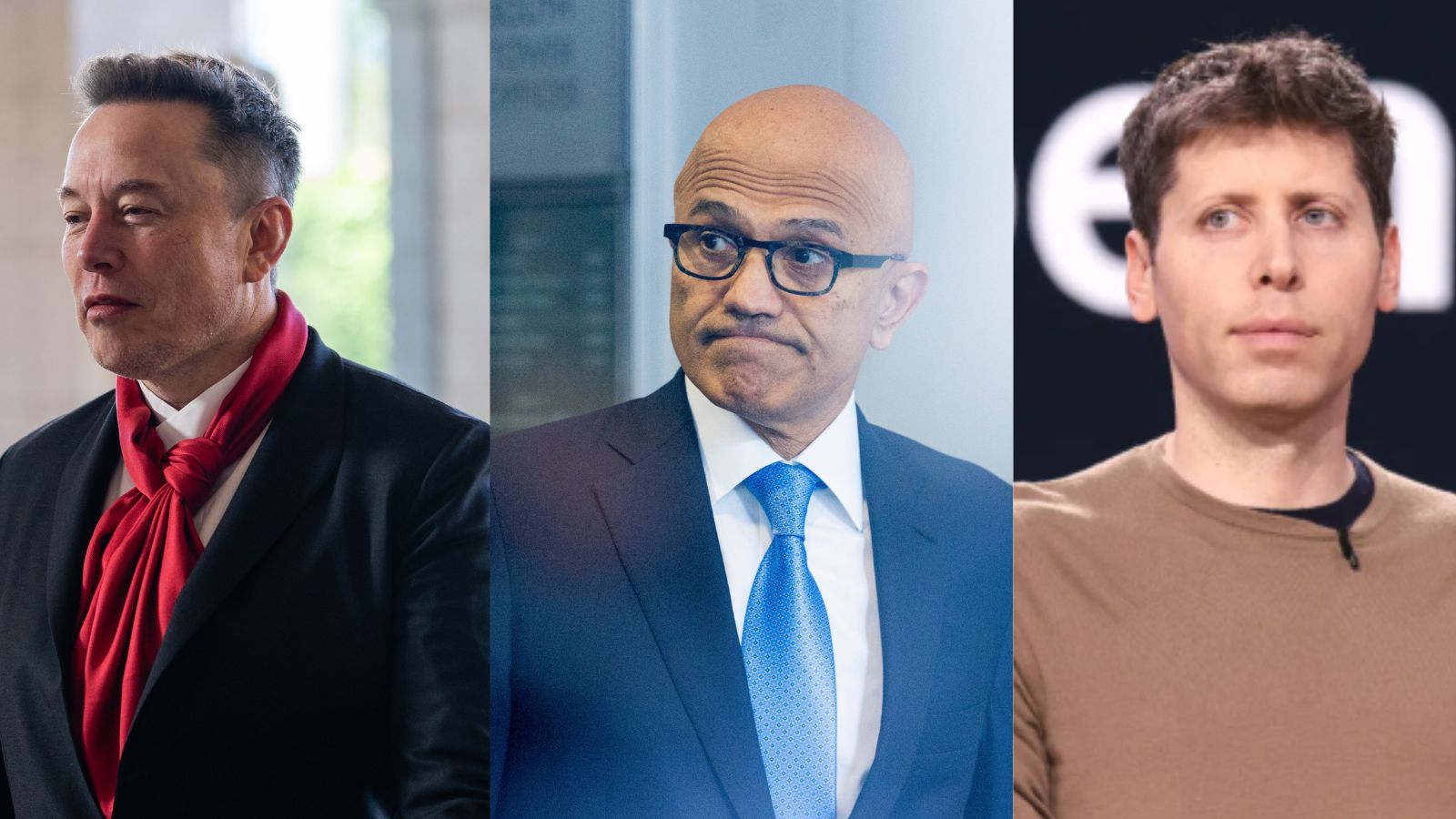
OpenAI CEO Sam Altman, Elon Musk, Satya Nadella, and Demis Hassabis supported a slower or more carefully managed pace, though their proposals differ.
Amodei proposed third-party evaluators with employee-like access to frontier models and suggested regulatory coordination among AI labs.
David Sacks, Aidan Gomez, and Clément Delangue questioned whether leading companies should shape AI rules, warning that regulation could reduce competition and openness.
Nvidia CEO Jensen Huang has not endorsed Amodei’s latest proposal and has previously suggested that some AI safety warnings may serve commercial interests.
- Who
- Anthropic CEO Dario Amodei, along with leaders and commentators from OpenAI, SpaceX, Microsoft, Google DeepMind, Cohere, Hugging Face, Nvidia, and the U.S. government.
- What
- A public debate over whether frontier AI development should slow down and whether independent testing, government standards, or voluntary industry action should be used.
- When
- Amodei published his essay on Saturday, September 12, with several responses appearing on Sunday, September 13.
- Where
- The debate unfolded through essays, social-media posts, and technology-industry discussions in Silicon Valley and the United States.
- Why
- Amodei cited safety concerns, including early signs of self-improving AI and an incident involving OpenAI technology and Hugging Face; critics raised concerns about competition, transparency, and commercial motives.
Slow development for safety
Protect competition and openness
Whether frontier AI should slow down
Slow development for safety
Amodei argues that AI is advancing too quickly to be developed safely. Altman, Musk, Nadella, and Hassabis expressed support for a slower or more carefully managed pace.
Protect competition and openness
Sacks argues that companies can slow development voluntarily without seeking a preferred regulatory framework. Critics also worry that a slowdown could protect incumbent companies.
Who should set safety standards
Slow development for safety
Supporters favor independent evaluators, shared safety standards, and cooperation with government agencies or national laboratories to test powerful models.
Protect competition and openness
Gomez argues that a small group of market-dominant companies should not define rules for the world. Delangue says AI safety cannot be solved behind the closed doors of a few frontier labs.
Motives behind safety warnings
Slow development for safety
Amodei and supporters present the proposal as a response to risks including unexpected behavior, deception, manipulation, cyberattacks, and potentially self-improving systems.
Protect competition and openness
Sacks and Huang have questioned whether some companies’ safety concerns are partly self-serving, including by creating demand for cybersecurity products or favorable regulation.
- Essay
- Dario Amodei’s essay was titled “We Must Pace the Frontier.”
- Proposed oversight
- Amodei called for third-party evaluators to receive access to frontier models comparable to that of employees.
- OpenAI position
- Sam Altman supported independent evaluators and a federal framework with consistent safety requirements, but said coordination should not depend on an antitrust exemption.
- Microsoft position
- Satya Nadella backed independent auditors and announced a Code of Conduct for Microsoft’s in-house MAI models.
- Google DeepMind position
- Demis Hassabis supported Amodei’s general direction and cited a proposal for an industry-wide frontier AI standards body.
- Competition concern
- Aidan Gomez, David Sacks, and others warned that dominant AI companies could use coordination or regulation to define rules and limit competition.
- Nvidia position
- Jensen Huang has not publicly endorsed Amodei’s latest warning and has previously questioned whether some AI safety arguments are commercially motivated.