

Archive · 22 Jul 2026
India Celebrates Tiranga Adoption Day
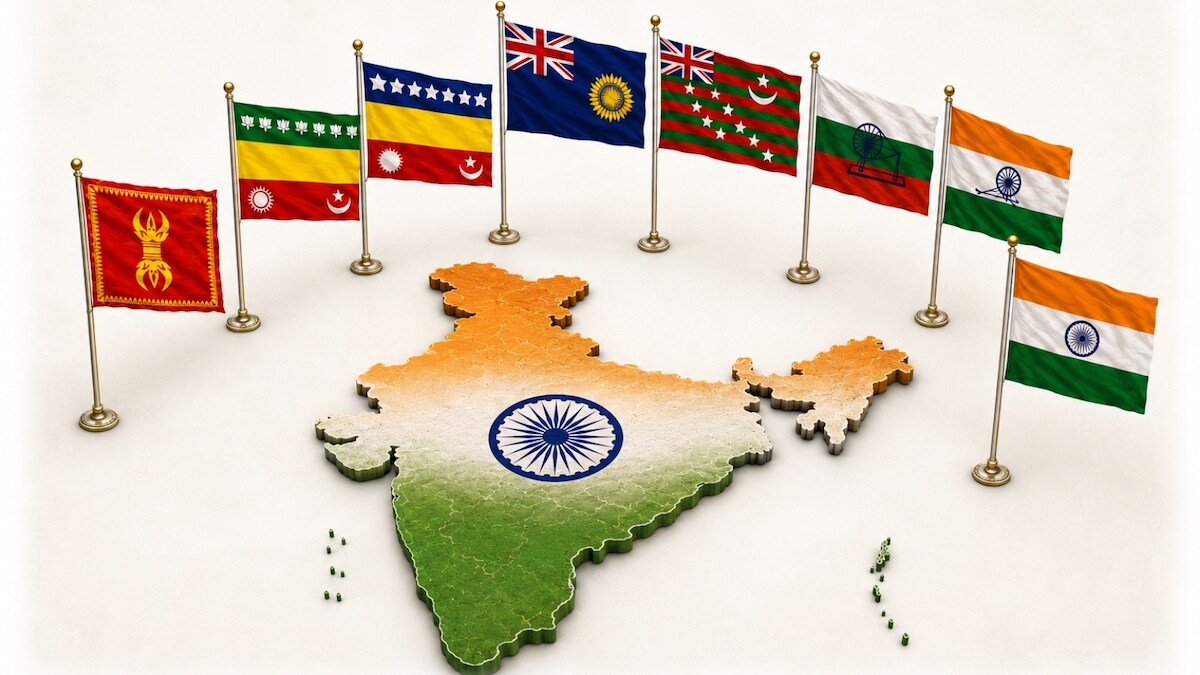
On July 22, 1947, India adopted the Tiranga as its national flag.
The flag has three colors: saffron, white, and green, with a navy blue Ashoka Chakra in the center.
It was designed by Pingali Venkayya and became the official flag when India gained independence on August 15, 1947.
The Tiranga represents India's unity, courage, and progress.
Some people believe the flag should stay the same to honor tradition, while others think it should change to reflect modern India.

The Tiranga was adopted on July 22, 1947, by the Indian Constituent Assembly.
It features saffron, white, and green colors with a navy blue Ashoka Chakra.
The flag was designed by Pingali Venkayya.
It became the official national flag on August 15, 1947.
The Tiranga symbolizes India's unity, courage, and progress.
- Who
- Indian Constituent Assembly
- What
- Adoption of the Tiranga as India's national flag
- When
- July 22, 1947
- Where
- India
- Why
- To symbolize the nation's unity, courage, and progress
Traditionalists
Modernists
Symbolism of the Flag
Traditionalists
The Tiranga represents India's rich history and cultural heritage, emphasizing the importance of traditional symbols like the Ashoka Chakra.
Modernists
The Tiranga should evolve to reflect modern India's progress and diversity, potentially incorporating new symbols.
- Adoption Date
- July 22, 1947
- Designer
- Pingali Venkayya
- Symbol
- Ashoka Chakra
- Colors
- Saffron, White, Green
- Significance
- Unity, Courage, Progress