

Archive · 11 Sep 2026
Doctor’s Seat-Belt Plea Spurs Supreme Court Safety Push
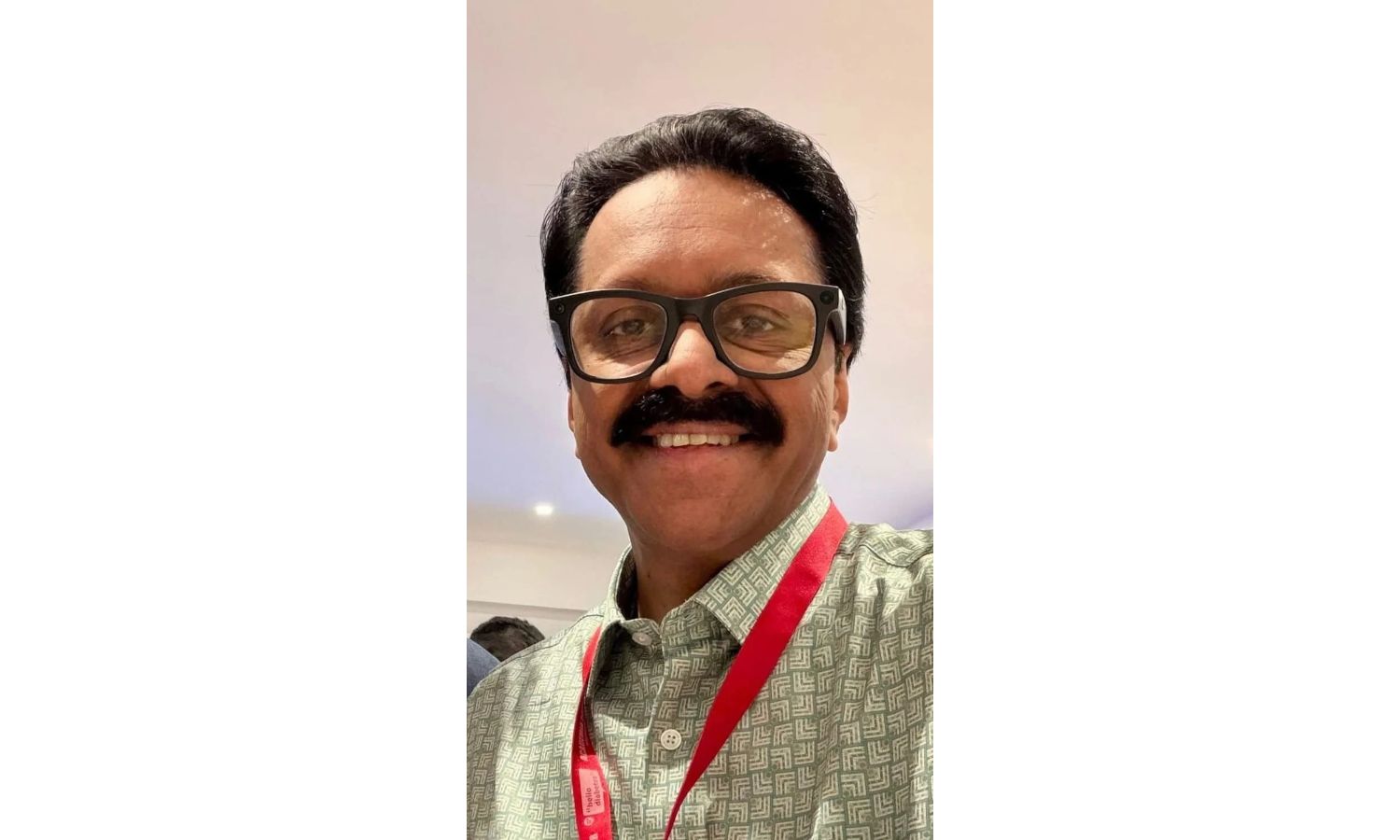
Dr. Jothydev Kesavadev is a doctor who wants every passenger in a car to have a working seat belt.
He noticed that many taxi back seats did not have belts people could easily use.
Extra seat covers sometimes hid the buckles or made them stop working.
Some drivers told him that only front-seat belts mattered.
He said this could put passengers, especially children, in danger during crashes.
He asked the Supreme Court to enforce existing seat-belt and child-seat rules.
The court said seat belts are for saving lives, not just for following a formality.
The court disposed of the case and urged authorities to improve enforcement.

Dr. Jothydev Kesavadev petitioned the Supreme Court to enforce usable seat belts for all vehicle passengers.
He said rear-seat belts were inaccessible or non-functional in more than 80% of taxis he used, while his petition cited about 85%.
He attributed the problem to thick aftermarket seat covers, removed receptacles, and other vehicle modifications.
The plea highlighted child-seat requirements and argued that inaccessible restraints make existing safety laws ineffective.
The Supreme Court disposed of the plea while stressing that seat belts save lives and urging authorities to address enforcement gaps.
- Who
- Dr. Jothydev Kesavadev, a diabetes specialist and researcher, filed the plea through advocate Wills Mathew.
- What
- He sought enforcement of rules requiring functional, accessible seat belts for all passengers and effective child-seat requirements.
- When
- The Supreme Court recently heard and disposed of the plea; the articles do not provide a specific date.
- Where
- The issue concerns taxis and motor vehicles across India, including cities such as Delhi, Mumbai, Chennai, Bengaluru, Ahmedabad, Kolkata, and parts of Kerala.
- Why
- Kesavadev argued that blocked or non-functional seat-belt mechanisms expose passengers to preventable risks and undermine existing safety laws.
- Petitioner
- Dr. Jothydev Kesavadev, a diabetes specialist and researcher
- Court
- Supreme Court of India
- Reported taxi problem
- Kesavadev said rear-seat belts were unusable in more than 80% of taxis he used
- Petition estimate
- The petition said rear-seat belt sockets were inaccessible or non-functional in about 85% of taxi services he used
- Reported causes
- Thick seat covers, removed receptacles, rust, and other vehicle modifications
- 2023 road deaths
- The petition cited approximately 1.72 lakh road deaths and 4.80 lakh accidents in India
- Seat-belt impact
- The World Health Organization says seat belts can reduce vehicle-occupant death risk by up to 50%
- Legal provisions
- The plea sought enforcement of Section 194B of the Motor Vehicles Act and Rule 138(3) of the Central Motor Vehicles Rules
