7 months ago
Power Engineers Oppose Electricity Amendment Bill 2025
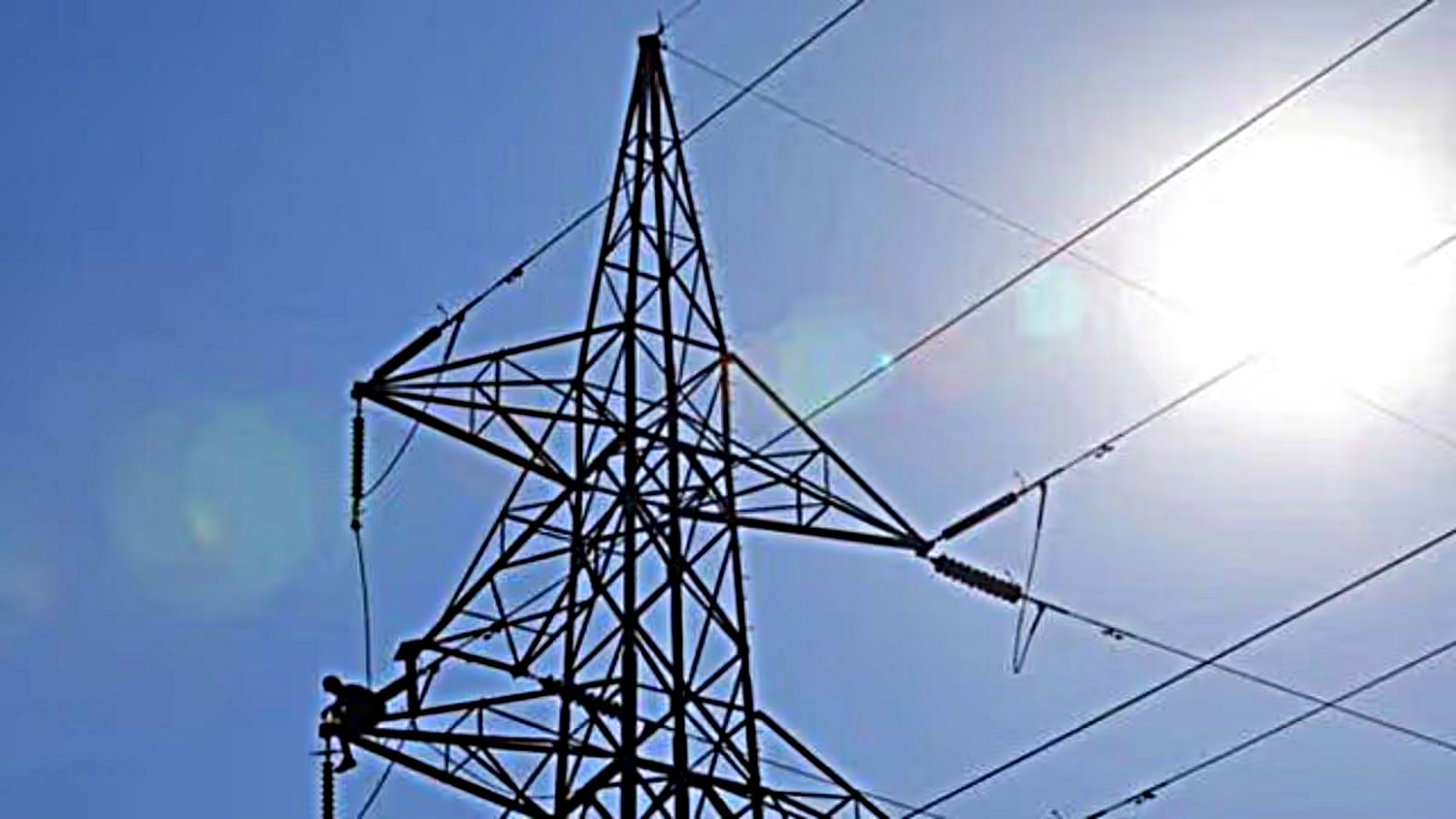
Power engineers from all over India had an online meeting with the Union power secretary to say they don't like a new electricity bill.
They think the bill will hurt the companies that provide electricity, make life harder for poor and middle-class people, and help private companies too much.
They are worried that private companies will use the state's electricity equipment for their own profit and that the bill will make it easier to remove people who regulate electricity prices.
They also think the bill will stop free electricity for poor and rural people after five years and make electricity more expensive.
The engineers want the bill to be taken back.
They also talked about how power privatization in Delhi and Mumbai has not worked well and has caused problems for consumers.

Power engineers and federations strongly opposed the Electricity Amendment Bill 2025, terming it a step towards backdoor privatization of the power sector.
The bill would severely harm public sector DISCOMs, adversely impact poor and middle-class consumers, farmers, and weaken the authority of state governments.
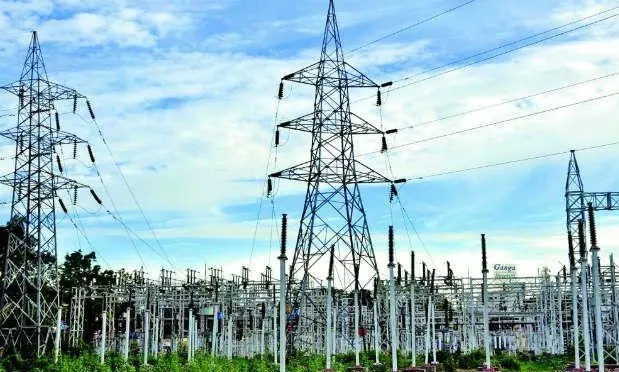
Key concerns included the provision allowing multiple distribution licences in the same area, which would enable private companies to use public infrastructure for profit without investment.
The bill would lead to sharp increases in electricity tariffs for domestic and agricultural consumers, making electricity unaffordable for the poor and defeating the objective of universal access.
The bill undermines the constitutional authority of states in the power sector and attacks regulatory independence by allowing easier removal of State Electricity Regulatory Commission members.
- Who
- Power engineers and federations, including AIPEF, EEFI, AIFEE, and state-level power associations and unions
- What
- Opposition to the Electricity Amendment Bill 2025
- Where
- Online meeting convened by the Ministry of Power, Government of India
- When
- Monday evening (specific date not mentioned)
- Why
- Concerns over privatization, asset exploitation, tariff hikes, subsidy removal, and impact on federal structure and regulation
Power Engineers and Federations
Government of India
Privatization and Asset Exploitation
Power Engineers and Federations
The bill allows private companies to use public infrastructure for profit without investment, which will lead to selective service to high-revenue consumers and increased financial losses for state DISCOMs.
Government of India
Not explicitly stated in the articles.
Impact on Consumers
Power Engineers and Federations
The bill will lead to sharp increases in electricity tariffs for domestic and agricultural consumers, making electricity unaffordable for the poor and defeating the objective of universal access.
Government of India
Not explicitly stated in the articles.
Federal Structure and Regulation
Power Engineers and Federations
The bill undermines the constitutional authority of states in the power sector and attacks regulatory independence by allowing easier removal of State Electricity Regulatory Commission members.
Government of India
Not explicitly stated in the articles.
Key facts
- Bill Name
- Electricity Amendment Bill 2025
- Organizations Opposing
- All India Power Engineers Federation (AIPEF), Electricity Employees Federation of India (EEFI), All India Federation of Electricity Employees (AIFEE), and state-level power associations and unions
- Key Concerns
- Privatization, asset exploitation, tariff hikes, subsidy removal, policy dominance, and impact on federal structure and regulation
- Meeting Type
- Video conference
- Union Power Secretary
- Pankaj Agarwal
- Key Participants
- Shailendra Dubey (Chairman, AIPEF), P. Ratnakar Rao (Secretary General, AIPEF), Padmajeet Singh (Chief Patron, AIPEF), and representatives from EEFI, AIFEE, and state-level power associations and unions
- Lessons from Delhi and Mumbai
- Power privatization in Delhi and Mumbai has failed to provide competition or consumer choice and has led to disputes and prolonged court cases.
Quotes
Shailendra Dubey
Chairman, All India Power Engineers Federation (AIPEF)
“Any development in the power sector can be effectively achieved through public utilities and that reliable and affordable power supply to all categories of consumers is best ensured by state-owned DISCOMs.”
 indianexpress.com
“The Bill would severely harm public sector DISCOMs (distribution companies), adversely impact poor and middle-class consumers, farmers, and weaken the authority of state governments.”
indianexpress.com
Padamjit Singh
Chief Patron, All India Power Engineers Federation (AIPEF)
“Allowing multiple licences in distribution would jeopardise the interests of consumers and employees, and asserted that the present Bill must be withdrawn in the larger public interest.”
indianexpress.com
P Ratnakar Rao
Secretary General, All India Power Engineers Federation (AIPEF)
“Allowing multiple licences in distribution would jeopardise the interests of consumers and employees, and asserted that the present Bill must be withdrawn in the larger public interest.”
indianexpress.com