

Archive · 6 Jan 2026
India's Accountability Crisis: Neglect and Impunity
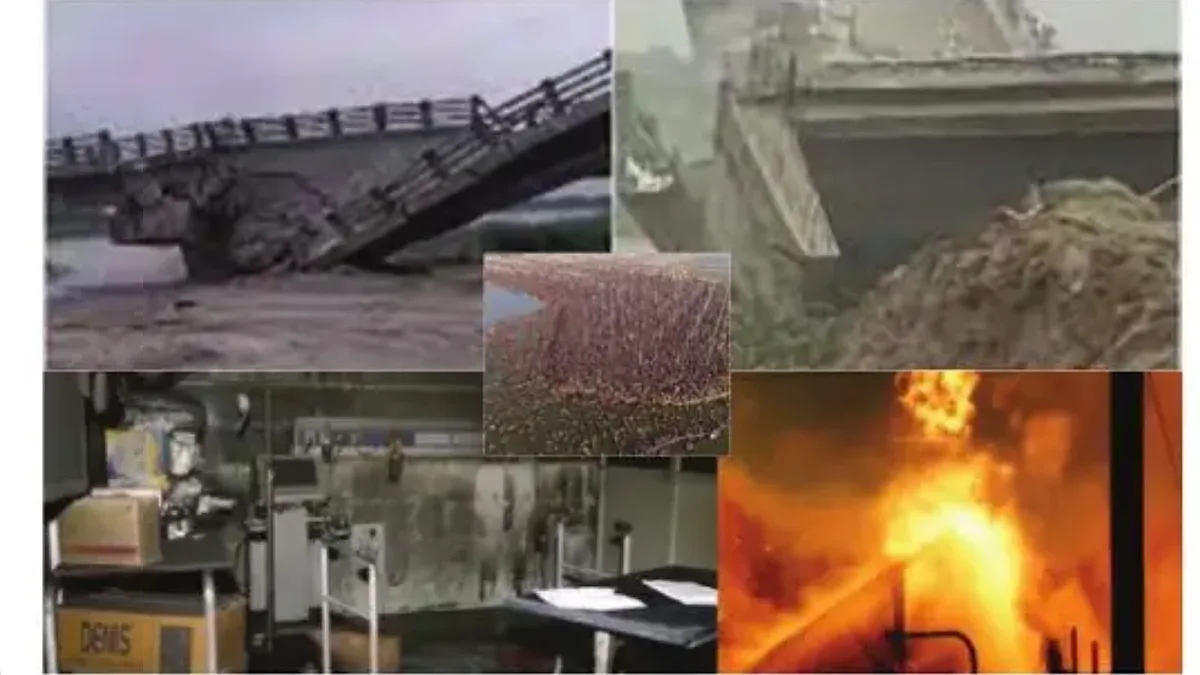
India is facing a big problem where no one is taking responsibility for mistakes and failures.
This is causing a lot of accidents and disasters, like fires, train crashes, and bridge collapses.
The government and bureaucrats often avoid blame, and citizens are not getting the basic services they need, like clean roads and safe infrastructure.
This is not just a problem with the system but also with the culture, where people are not taught to admit mistakes and take responsibility.
To fix this, India needs to build a system where accountability is built into the infrastructure and governance, so that citizens don't have to beg for redress.
Everyone, from leaders to citizens, needs to demand and embrace accountability to make the country better.

A fire at a Parsi temple in Kolkata highlighted the issue of neglected overhead electrical wires, which are a major cause of fires in India.
Recent disasters like the Odisha train tragedy and the Mahakumbh stampede have shown systemic lapses in maintenance and crowd control, with no significant accountability.
Over 2,130 bridges collapsed in India between 1977 and 2017, indicating a deeper malaise in infrastructure maintenance and governance.
The culture of impunity and lack of accountability has seeped into daily life, with citizens facing neglect in basic services and no consequences for failures.
To address the accountability crisis, India needs to build a system with self-correcting infrastructure and governance, where responsibility is embraced at all levels.
- Who
- The citizens of India and the various institutions and bureaucracies responsible for governance and infrastructure maintenance.
- What
- A crisis of accountability and systemic neglect leading to frequent disasters and a culture of impunity.
- When
- The issue has been ongoing, with recent incidents highlighting the problem, such as the fire at the Parsi temple in Kolkata and the Odisha train tragedy in 2023.
- Where
- The problem is widespread across India, affecting various sectors including infrastructure, healthcare, and daily life.
- Why
- The lack of accountability and responsibility in governance and daily life has led to a culture of impunity and systemic neglect, resulting in frequent disasters and a loss of citizen trust.
Critics of the System
Defenders of the System
Infrastructure Maintenance
Critics of the System
Critics argue that the lack of accountability leads to poor infrastructure maintenance, resulting in frequent disasters like bridge collapses and fires.
Defenders of the System
Defenders might argue that the government is taking steps to improve infrastructure, but these efforts are often hampered by bureaucratic inefficiencies and lack of resources.
Bureaucratic Responsibility
Critics of the System
Critics point out that the bureaucracy often deflects responsibility and avoids accountability, leading to a culture of impunity.
Defenders of the System
Defenders might argue that bureaucrats face significant political pressures and fear of reprisal, making it difficult for them to take decisive action.
Citizen Participation
Critics of the System
Critics believe that citizens need to demand accountability and participate more actively in governance to bring about change.
Defenders of the System
Defenders might argue that citizens also have a role to play in maintaining discipline and responsibility in their daily lives, rather than solely blaming the system.
- Recent Fire Incident
- A fire at a Parsi temple in Kolkata highlighted the issue of neglected overhead electrical wires.
- Odisha Train Tragedy
- Nearly 300 lives were lost due to grave lapses in railway maintenance and signalling systems.
- Mahakumbh Stampede
- A stampede at the Mahakumbh in Prayagraj killed dozens, with no significant improvements in crowd control.
- Bridge Collapses
- Over 2,130 bridges collapsed in India between 1977 and 2017, indicating systemic neglect.
- Cultural Normalization of Irresponsibility
- The absence of accountability has become a national temperament, with leaders and bureaucrats often avoiding responsibility.
- Infrastructure Failures
- Frequent failures in infrastructure, such as potholed roads, contaminated rivers, and tangled overhead wiring, point to a deeper malaise.
- Governance Model
- The governance model celebrates spectacle but sidesteps scrutiny, with a bureaucracy that has perfected deflection.
- Citizen Trust
- The erosion of responsibility has led to a loss of citizen trust in democratic values and institutions.