Archive · 13 Sep 2025
India's Ethanol Push: Driving Clean Energy and E-Mobility
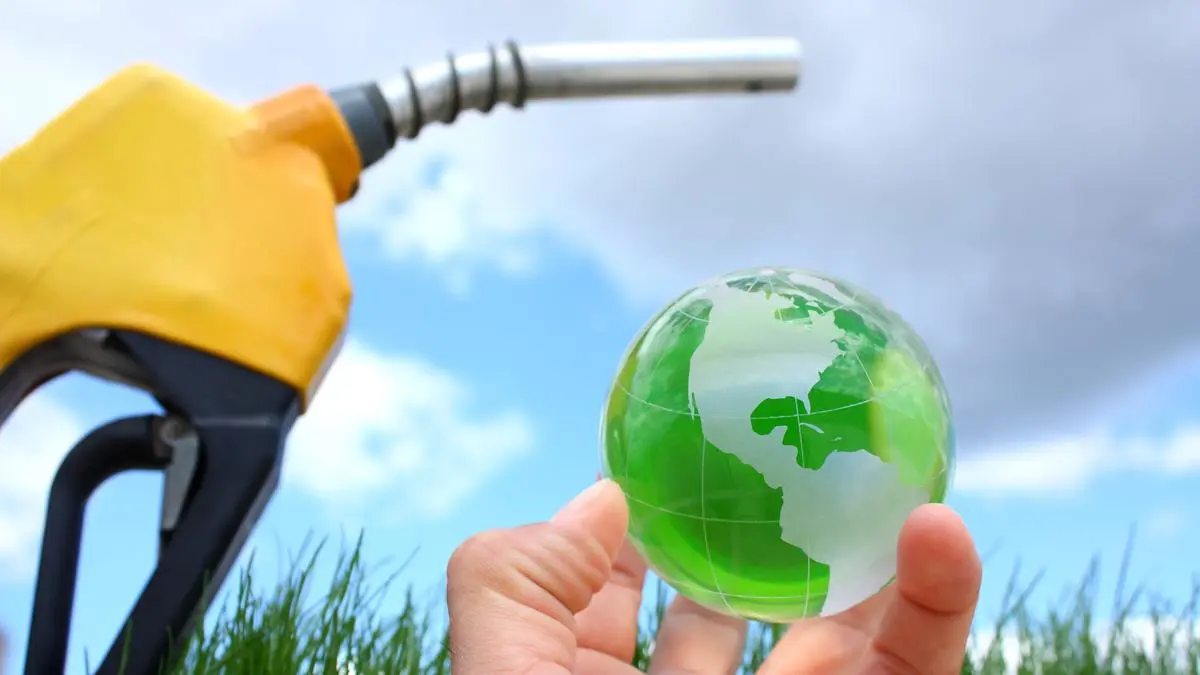
India is using ethanol made from grains like corn and rice to reduce carbon emissions.
This is part of a larger plan to cut emissions by 50% by 2030.
Ethanol production has grown significantly, and it is mixed with gasoline.
The government's program has increased ethanol blending to nearly 20%.
This has reduced reliance on imported oil and saved money.
It also supports farmers by using extra grains.
The goal is to move towards cleaner transportation and support vehicles that run on high ethanol blends.

India aims to reduce carbon emissions by 50% by 2030, with ethanol playing a key role.
Ethanol production capacity has grown to approximately 18.2 billion liters by June 2025.
Grain-based ethanol accounts for nearly 65-70% of total ethanol production.
The Ethanol Blended Petrol (EBP) program has increased blending to nearly 20% by early 2025.
The EBP program has saved over ₹1,08,655 crore in foreign exchange.
- Who
- India
- What
- The growth of grain-based ethanol in India's clean energy strategy
- When
- Since 2024, with significant development by June 2025
- Where
- India
- Why
- To reduce carbon emissions, support farmers, and achieve energy independence
- Ethanol Production Capacity (June 2025)
- 18.2 billion litres
- Operational Distilleries (June 2025)
- 499
- Grain-Based Ethanol Share
- 65-70%
- E20 Blending Rate (Early 2025)
- Nearly 20%
- Foreign Exchange Saved
- ₹1,08,655 crore
- CO₂ Emissions Reduction
- 557 lakh metric tons