Archive · 8 Oct 2026
Study Estimates Unapproved GM Hybrids on Up to 30% of Cotton Area
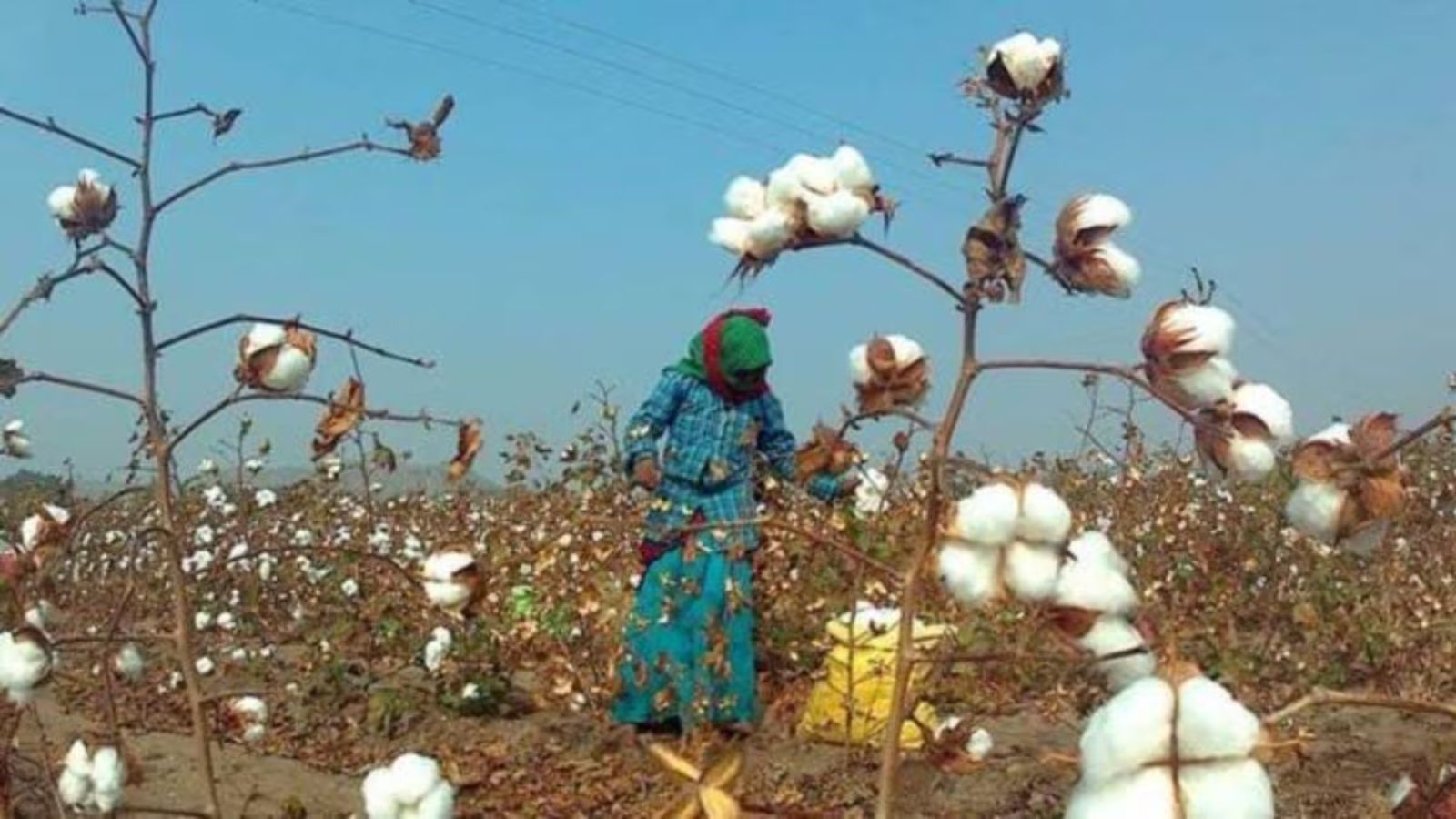
A study looked at cotton seeds and leaves from selected farming areas in four Indian states.
It estimated that 24% to 30% of India’s cotton-growing land in 2025–26 had cotton hybrids with gene traits that the government has not approved.
India currently permits cotton with two Bt genes, but the study looked at additional genes called cp4-epsps and Vip3A.
The first can help cotton survive glyphosate, a weed-killing spray.
The second is an insect-resistance gene that the study links to efforts to control pink bollworm.
The researchers found these genes in many of the samples they tested, but those samples came from selected hotspot districts, not every cotton field in India.
The study says spraying can cost much less than removing weeds by hand, and that labour shortages may encourage farmers to use these seeds.
It also estimated that the market for unauthorised seeds had grown.
These are estimates from a study commissioned by two seed-industry associations.

A study commissioned by the Federation of Seed Industry of India and the National Seed Association of India estimates that 24–30% of India’s 2025–26 cotton area used hybrids with unapproved GM traits.
Researchers tested 227 geo-tagged seed or leaf samples from 984 farmers in 16 districts across Maharashtra, Telangana, Andhra Pradesh and Rajasthan; the districts were selected as hotspots.
The herbicide-tolerance gene cp4-epsps was found in 72.69% of tested samples, while the insect-resistance gene Vip3A was found in 53.74%; these figures describe the targeted samples, not all Indian cotton fields.
Study director Bhagirath Choudhary cited labour shortages and a cost difference—Rs 750–850 per acre for two or three glyphosate sprays versus Rs 12,000–15,000 for manual weeding—as incentives for using herbicide-tolerant hybrids.
Researchers estimated the unauthorised HTBt seed market at 82–88 lakh packets in 2025–26, worth Rs 820–880 crore; approved Bt seed sales fell and glyphosate imports rose during the periods cited.
- Who
- Cotton farmers and researchers at the South Asia Biotechnology Centre; the study was commissioned by the Federation of Seed Industry of India and the National Seed Association of India.
- What
- A field-based study estimated that 24–30% of India’s 2025–26 cotton area had hybrids containing unapproved GM traits, including cp4-epsps and Vip3A.
- When
- The estimate concerns the 2025–26 cotton season; the articles do not give the study’s publication date.
- Where
- India; field samples came from 16 districts in Maharashtra, Telangana, Andhra Pradesh and Rajasthan.
- Why
- The study links adoption to labour shortages, the cost of manual weeding and demand for weed and pest management.
Regulatory and biosafety concerns
Farmers’ practical incentives
Use of unapproved traits
Regulatory and biosafety concerns
The study says cp4-epsps and Vip3A have not been approved by the government and that their use bypasses the established approval system.
Farmers’ practical incentives
The study links farmers’ adoption to the practical needs of weed and pest management; it does not provide a direct response from farmers or regulators.
Weed-control costs
Regulatory and biosafety concerns
The reported spread of herbicide-tolerant cotton involves glyphosate use despite the trait not being approved for cotton, according to the study.
Farmers’ practical incentives
Choudhary said glyphosate spraying costs Rs 750–850 per acre for two or three applications, compared with Rs 12,000–15,000 for manual weeding; the study also cites labour shortages.
- Estimated area with unauthorised traits
- 26.2–29 lakh hectares, estimated as 24–30% of 114.8 lakh hectares sown under cotton in 2025–26
- Samples and farmers
- 227 geo-tagged seed or leaf samples from fields of 984 farmers
- Sampling locations
- 16 hotspot districts in Maharashtra, Telangana, Andhra Pradesh and Rajasthan
- cp4-epsps detection
- 72.69% of tested samples overall; 88.64% in Telangana, the highest state figure reported
- Vip3A detection
- 53.74% of tested samples overall
- Estimated unauthorised seed market
- 82–88 lakh packets in 2025–26; estimated value Rs 820–880 crore at Rs 1,000 per packet
- Approved Bt cotton genes cited
- cry1Ac and cry2Ab
- Weeding cost comparison cited
- Rs 750–850 per acre for two or three glyphosate sprays, versus Rs 12,000–15,000 for manual weeding