Archive · 8 Jan 2026
India's Steel Sector Faces Challenges
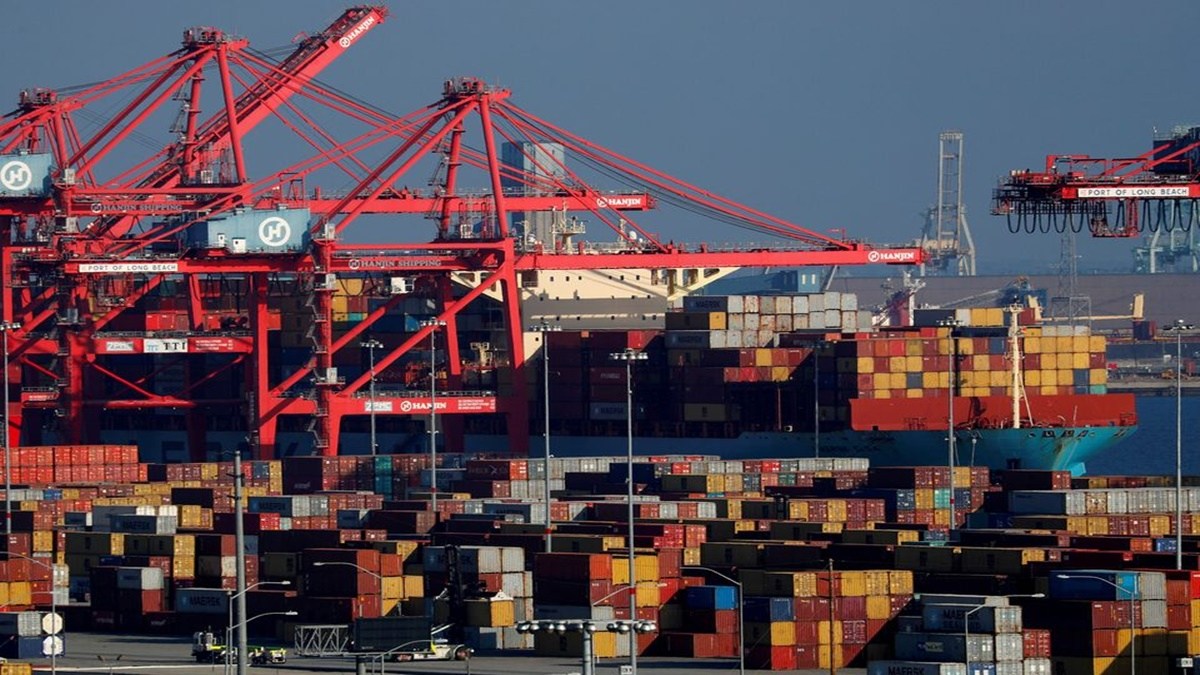
Starting January 1, 2024, Indian steel and aluminium exports to the EU will face a new carbon tax called CBAM.
This tax is based on how much carbon is released when making these products.
The EU wants to encourage cleaner production, so they're charging more for dirtier products.
Indian exporters might need to lower their prices by 15-22% to stay competitive.
Small businesses, called MSMEs, might struggle because they rely on bigger companies for their materials.
The Indian government and industry groups need to take action to help these exporters adjust to the new rules.
This includes measuring and verifying their carbon emissions, updating contracts, and maybe even getting some financial help from the government.
Additionally, industry bodies like CII and Assocham have suggested various measures to improve the competitiveness of the steel sector, such as reducing customs duties, improving customs clearance processes, and promoting low-carbon production technologies.

EU's CBAM carbon tax on Indian steel and aluminium exports begins January 1, 2024.
Indian exporters may need to reduce prices by 15-22% to remain competitive in the EU market.
MSMEs face higher costs due to lack of plant-level emissions data from large producers.
Indian exporters must map exposure, implement emissions tracking, and update contracts to comply with CBAM.
Government and industry associations should support exporters with subsidies, standardised templates, and negotiations with EU regulators.
- Who
- Indian steel and aluminium exporters, EU importers, Indian government, industry associations
- What
- Implementation of EU's Carbon Border Adjustment Mechanism (CBAM) affecting Indian exports
- When
- From January 1, 2024
- Where
- European Union
- Why
- To tax imports based on their carbon footprint, encouraging cleaner production processes
- Effective Date
- January 1, 2024
- Covered Sectors
- Steel, aluminium, cement, fertilisers, electricity, hydrogen
- Expected Price Reduction
- 15-22% for Indian exporters
- Impact on MSMEs
- Higher carbon costs due to default emission values
- Government Action Plan
- Subsidise compliance, seek CBAM carve-outs, fast-track Carbon Credit Trading Scheme