

Archive · 10 Jun 2025
Poo Pills: A Novel Approach in Battling Antibiotic-Resistant Superbugs
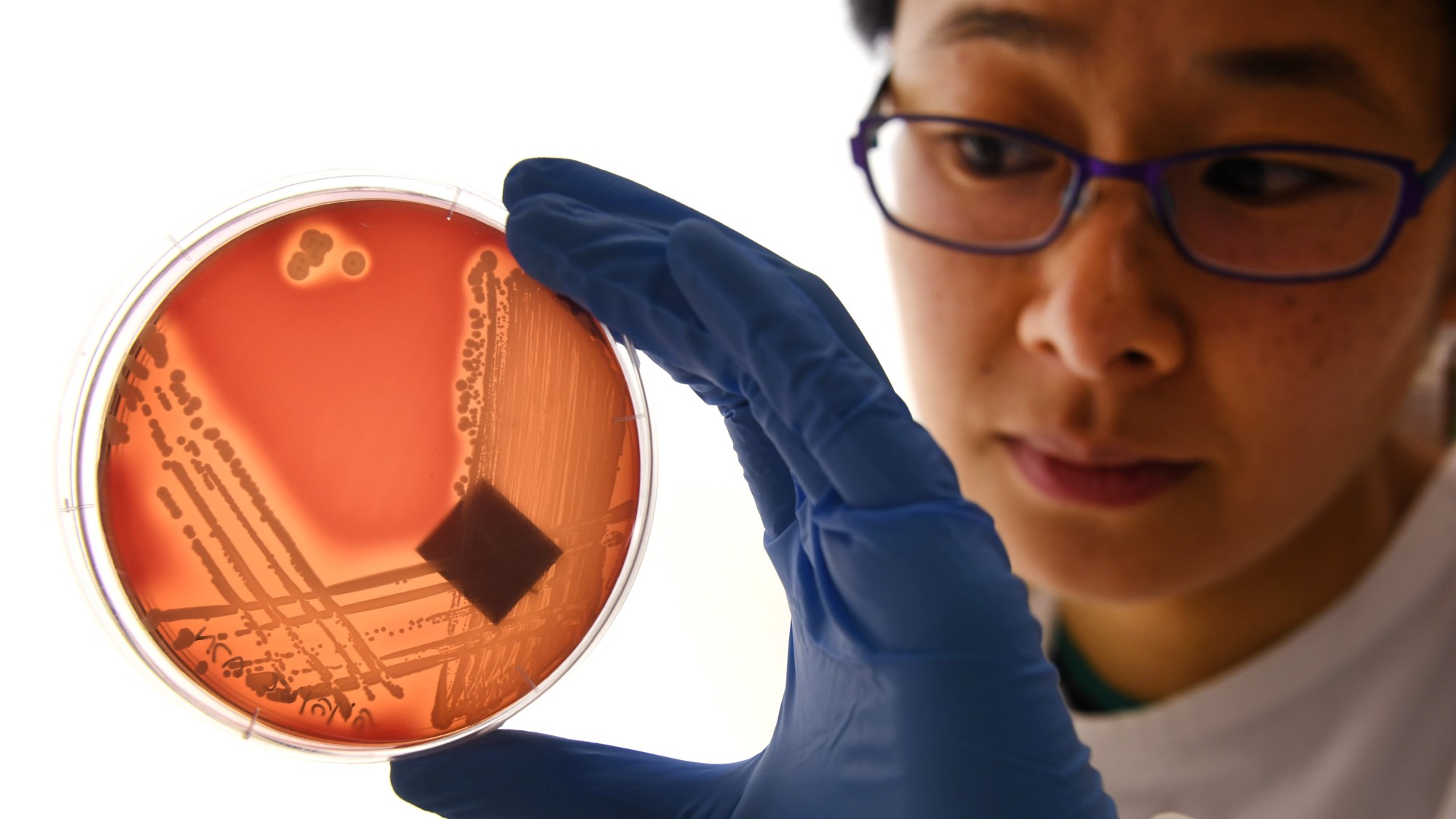
Scientists are exploring 'poo pills' – capsules containing healthy gut bacteria.
These pills aim to combat antibiotic-resistant 'superbugs' by replacing bad bacteria with good ones.
Preliminary trials show promise in eliminating or reducing superbugs.
Superbugs are bacteria resistant to antibiotics, causing a global health crisis.
Researchers are also investigating poo pills for cancer and mental health.
While promising, some studies advise caution, as faecal transplants can impact liver metabolism and immune function.

Poo pills contain freeze-dried faeces with good bacteria to fight superbugs.
Early trials show poo pills may eliminate or reduce superbugs.
Superbugs are bacteria resistant to most antibiotics.
At least 1 million deaths have occurred globally due to antibiotic resistance.
Researchers are exploring poo pills for cancer and mental health treatment.
- Who
- Scientists and researchers are investigating the use of faecal transplants.
- What
- Scientists are researching 'poo pills' to combat antibiotic-resistant superbugs and potentially treat other diseases.
- When
- Since 1990, with increased urgency.
- Where
- UK, Canada, and globally.
- Why
- Antibiotic misuse has led to the rise of superbugs, causing significant global deaths.
- What are poo pills?
- Capsules of freeze-dried faeces containing good bacteria.
- Purpose of poo pills
- To combat antibiotic-resistant superbugs.
- Superbugs impact
- Caused at least 1 million deaths since 1990.
- Other potential uses
- Cancer and mental health treatment.
- Current treatment
- Faecal transplants via enema, colonoscopy, or pills are already used in the UK for Clostridium difficile.
- Research location for mental health trials
- University of Calgary, Canada.