

Archive · 30 Sep 2025
Joint Property Tax Disputes: Ensure Meticulous Record-Keeping
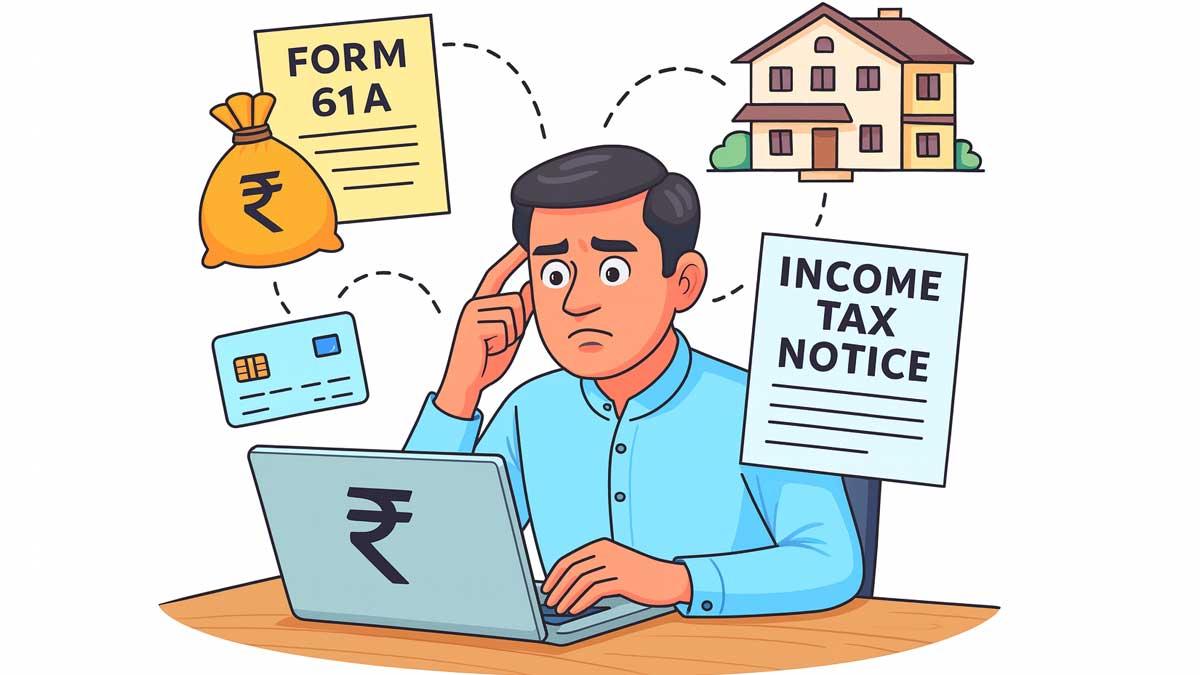
When you co-own assets, like a property or financial investments, it can trigger tax issues.
The government uses automated systems to check who paid for the asset.
If records aren't clear, this can lead to problems.
Keep detailed records, like loan documents and bank statements, to show who paid.
If you get a tax notice, understand why, gather all the right paperwork, and respond promptly online.
If you don't, you could face penalties or even legal action.

Joint ownership can lead to unintended tax disputes, as highlighted by recent rulings.
Tax authorities use automated systems to identify discrepancies in jointly held assets.
Meticulous record-keeping of funding sources is crucial for compliance.
Non-contributing joint holders are often issued notices.
Ignoring or mishandling tax notices can result in penalties and legal proceedings.
- Who
- Joint property owners and the Income Tax Department
- What
- Tax disputes regarding jointly owned assets
- When
- Recent years, due to increased automation
- Where
- India
- Why
- To ensure compliance and avoid unintended tax demands
Taxpayer
Tax Authority
Documentation
Taxpayer
Needs to provide detailed proof to avoid tax demands
Tax Authority
Uses automated systems, looking for compliance
- Key Concern
- Unintended tax disputes due to joint property ownership
- Trigger for Notices
- Automated system checks based on PAN linked investments or property
- Documents to Retain
- Loan agreements, transfer records, bank statements, ownership agreements, sale deeds
- Action when Receiving a Notice
- Identify the section, gather documents, prepare a detailed response, and file online
- Potential Consequences of Non-Compliance
- Penalties, additional taxes, and even legal proceedings