

Archive · 17 Nov 2025
Goa's Tourism Model: A Call for Community Control and Socialist Principles
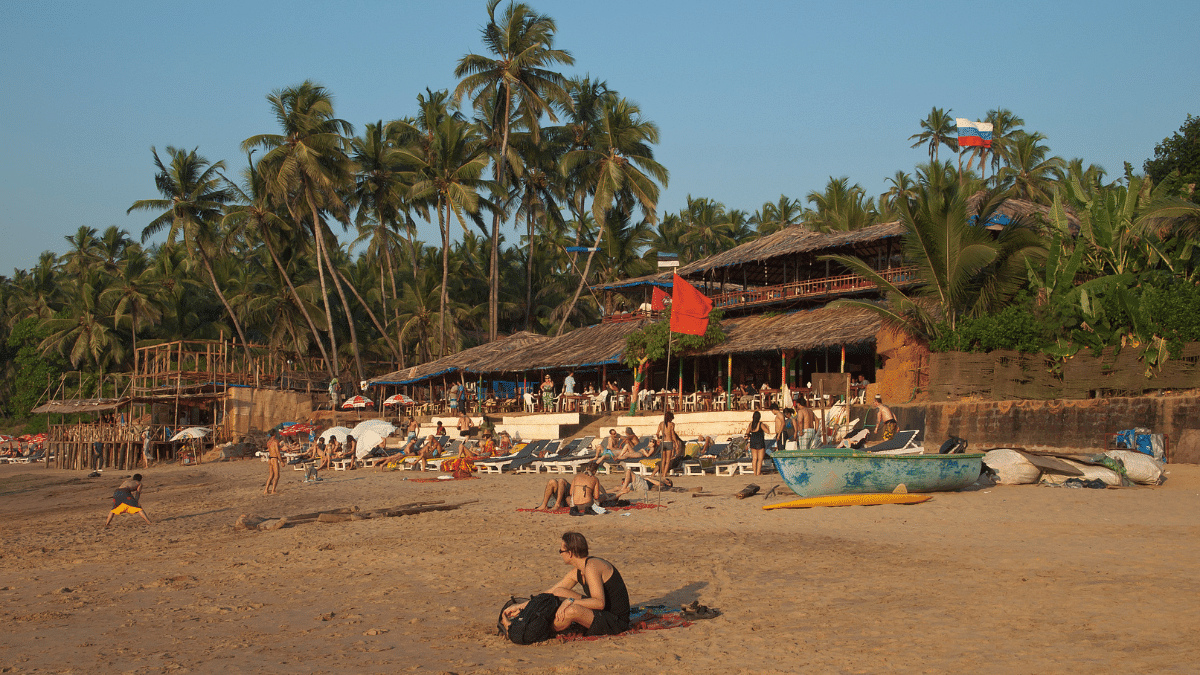
Imagine Goa is like a home, and tourism is like inviting guests.
Right now, the people who own big hotels and apps are more like the guests, and they are treating Goa like a place to make money quickly without caring about the family living there.
The author thinks this is wrong.
They want the Goan people, who are the real homeowners, to be in charge of who visits and how they visit.
This means making sure tourists learn about and respect Goan culture and don't harm the beautiful nature.
Instead of big companies controlling everything, like taxis or hotels, locals should work together to create fair systems.
This way, everyone benefits, and Goa remains a special place that respects its people and environment.

Goa's tourism model is criticized for prioritizing profit and volume over local dignity, community rights, and ecological balance.
A socialist tourism model, grounded in justice and community control, is proposed as an alternative to the current capitalist system.
The central issue is who controls Goa's tourism economy: locals or external corporate platforms and investors.
The taxi debate symbolizes the deeper struggle for local self-governance and resistance against external control disguised as innovation.
Tourism should focus on cultural immersion, ecological respect, and shared prosperity, treating tourists as guests rather than mere consumers.
- Who
- Goans (locals), tourists, corporate platforms, external aggregators, political brokers, predatory investors, taxi workers.
- What
- A critique of Goa's dominant tourism model and a proposal for a socialist, community-controlled tourism economy focused on dignity, cultural preservation, and ecological respect.
- When
- Ongoing, with specific mention of government inaction over the past 20 years regarding transport reform.
- Where
- Goa
- Why
- To reverse the current model that prioritizes profit and external interests over local dignity, culture, and ecological sustainability, ensuring wealth circulates within the community.
Advocates for Community-Centric Tourism
Proponents of Capitalist/Extractive Tourism
Control of the Tourism Economy
Advocates for Community-Centric Tourism
Goans must control tourism for dignity, cultural preservation, and community rights. Tourism should be a relationship and respectful exchange, not a market driven by profit and volume.
Proponents of Capitalist/Extractive Tourism
Corporate platforms, external aggregators, political brokers, and predatory investors should control tourism for profit and growth, often prioritizing volume over value.
Role of Technology and Modernization
Advocates for Community-Centric Tourism
Technology should be integrated through local cooperative systems, with transparent pricing, training, and grievance redressal, driven by community needs and governance.
Proponents of Capitalist/Extractive Tourism
Modernization often involves imposing alien models, such as multinational aggregators, to facilitate external control and profit extraction.
Purpose of Tourism
Advocates for Community-Centric Tourism
Tourism should immerse visitors in local culture, respect ecological limits, and lead to shared, dignified prosperity for locals.
Proponents of Capitalist/Extractive Tourism
Tourism's primary goal is seen as maximizing numbers and profit, often leading to dilution of culture, environmental strain, and land transfer to outsiders.
- Dominant Tourism Model Criticized
- Celebrates volume over value, profit over dignity, extractive commercial interests over community rights.
- Proposed Tourism Model
- Socialist, grounded in justice and community control, respecting dignity, ecology, and heritage.
- Key Measure of Success
- Community well-being, cultural preservation, and ecological sustainability, not just tourist numbers or economic contribution per tourist.
- Symbolic Issue
- The taxi debate, representing a struggle for local control over transport systems against external control.
- Examples of Alternative Models
- Kerala's cooperative transport, Bengaluru's open mobility model.
- Core Principle
- Tourism should be a meeting of cultures and a respectful exchange, with the host retaining dignity and agency.