Archive · 7 Jun 2025
India’s Food Safety: Progress, Challenges, and the Path Forward
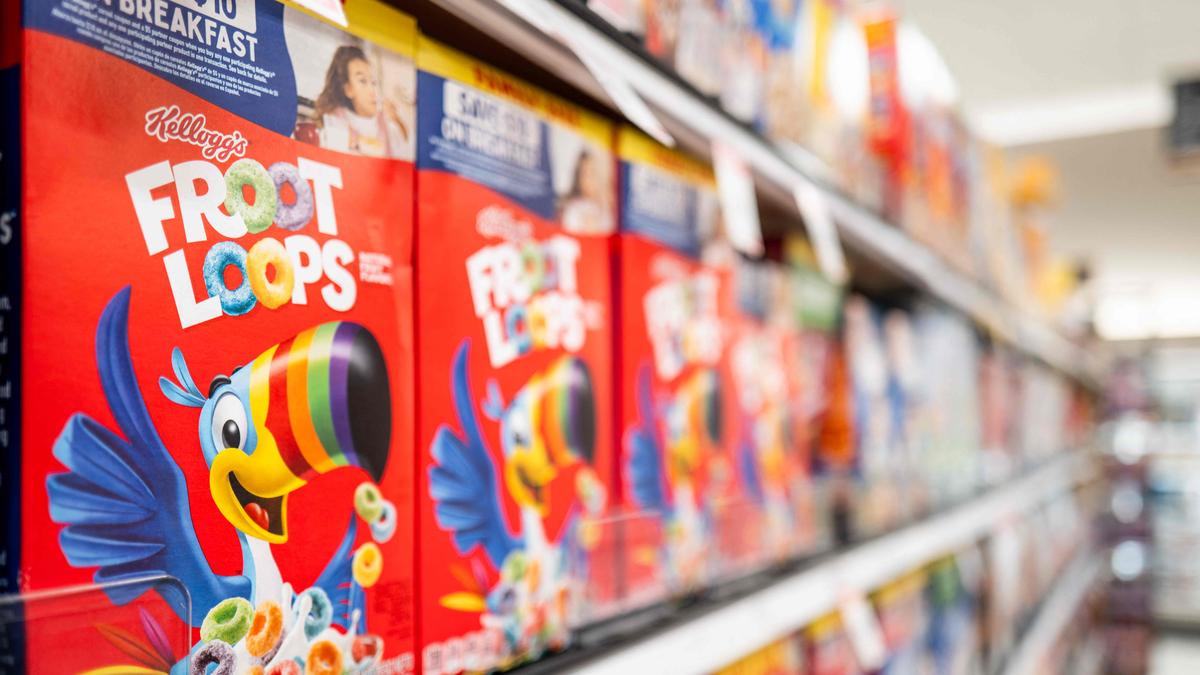
India's food safety has come a long way, now focusing on science.
New rules from 2006 helped.
But, we need more studies made in India to make sure the rules really fit what people eat here.
It's like, imagine we have food labels, but the words are hard to understand!
Also, a warning label about MSG (a common flavor) confuses people, even though scientists worldwide say it's safe.
India needs to update these labels and make sure everyone understands the science behind food safety so they can stay healthy and make good food choices.

India's food safety journey evolved from preventing adulteration to a risk-based approach.
The Food Safety and Standards Act of 2006 established the FSSAI, adopting international best practices.
A key challenge is the lack of India-specific toxicological studies and comprehensive diet studies.
Risk communication needs improvement, simplifying scientific messages and clarifying confusing labels.
Outdated MSG warning labels in India contradict global scientific consensus and cause confusion.
- Who
- Former CEO of FSSAI Pawan Agarwal provides an analysis of India's food safety.
- What
- An overview of India's food safety standards, highlighting progress, challenges, and future directions.
- When
- World Food Safety Day, June 7th, 2025.
- Where
- India
- Why
- To discuss the evolution of food safety standards, address current gaps, and suggest improvements.
Consumer Safety Advocates
Industry and Public Perception
MSG Labeling
Consumer Safety Advocates
Advocates suggest the MSG warning label be removed to align with global scientific consensus, as the label is misleading.
Industry and Public Perception
Some believe the current MSG warning label is necessary to inform consumers of potential risks, even if it is safe in other countries.
- Key Legislation Enacted
- 2006
- Regulatory Body Established
- FSSAI
- World Food Safety Day
- June 7
- Controversial Additive
- MSG
- Pesticide MRL Revision
- 0.01 mg/kg to 0.1 mg/kg