Archive · 17 Nov 2025
Delhi HC Refuses to Hear Michel's Challenge to India-UAE Extradition Treaty

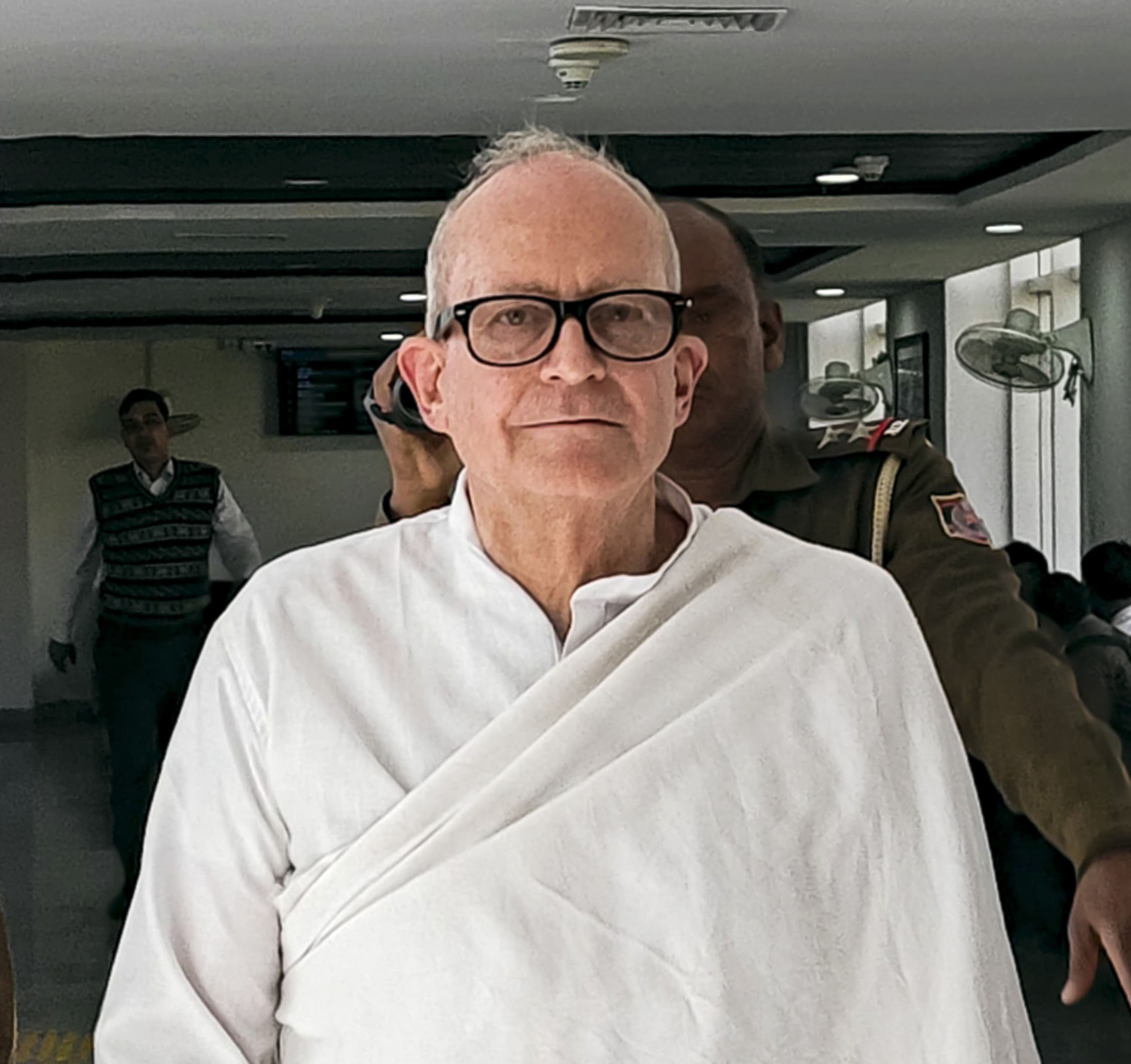
A man named Christian Michel, who is accused in a big helicopter deal scam, tried to challenge a rule in a special agreement between India and the UAE.
This rule lets India put him on trial for crimes related to the main one he was sent back for.
Michel argued this was unfair and against another Indian rule.
The court said that this special agreement is not like a law made by the country's parliament, so they can't just cancel it.
They also felt his request wasn't clear enough about what he wanted done.
Because of this, the court said they wouldn't hear his case in its current form.
His lawyer then decided to take back the case so they could try again later with a clearer request.

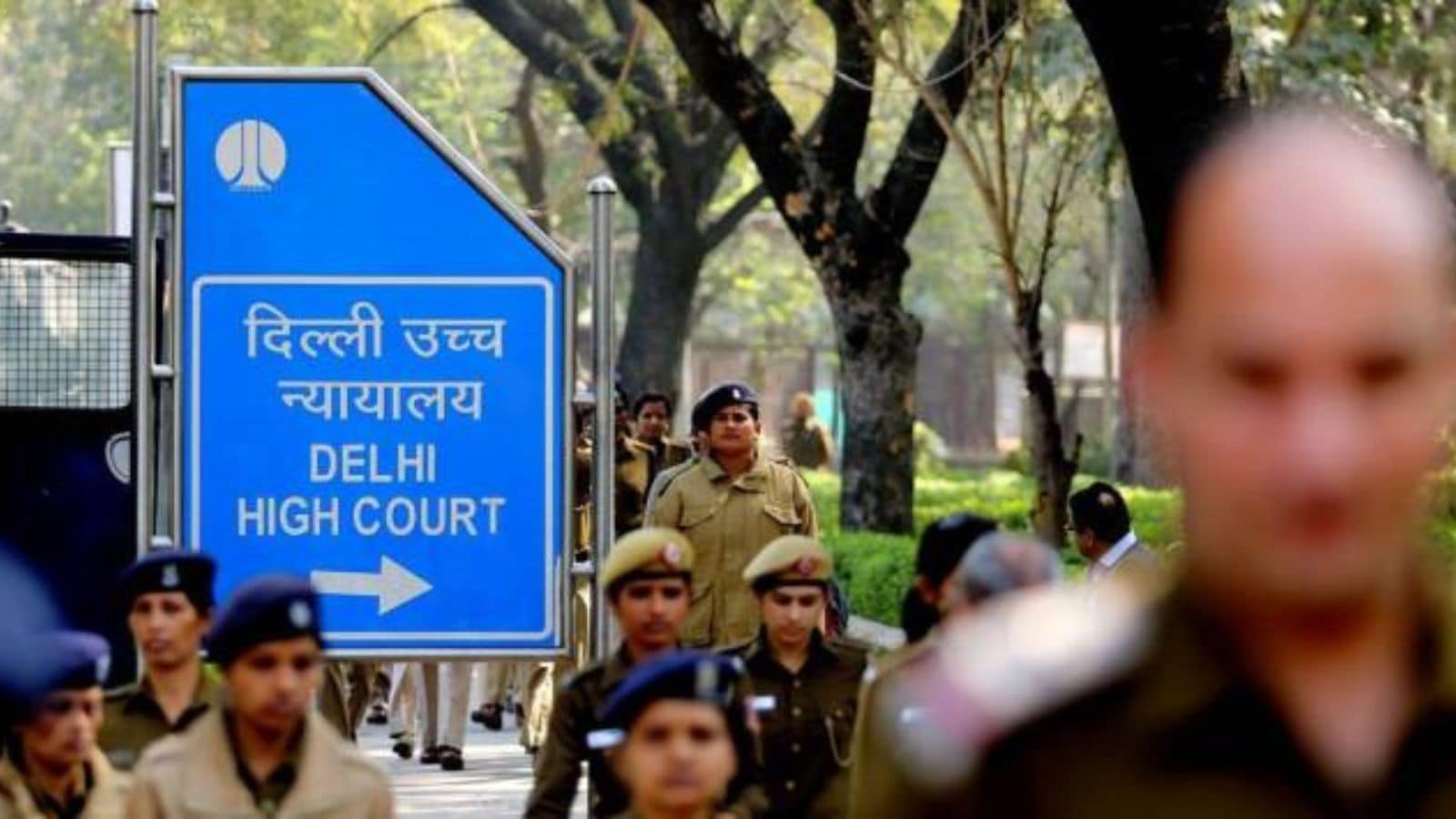
Delhi High Court refused to entertain Christian Michel's plea challenging Article 17 of the India-UAE extradition treaty.
Michel argued Article 17 permits prosecution for 'connected' offenses beyond those specified for extradition, violating Section 21 of the Extradition Act.
The court stated an international treaty is not parliamentary law and cannot be declared ultra vires.
The petition was deemed to lack consequential relief and a proper legal foundation.
Michel was extradited from Dubai in 2018 and is accused in the Rs 3,600-crore AgustaWestland VVIP chopper scam.
- Who
- Christian Michel (accused middleman in AgustaWestland scam) and the Delhi High Court
- What
- Delhi High Court refused to entertain a petition challenging Article 17 of the India-UAE extradition treaty, which allows prosecution for connected offenses.
- When
- Recently (Monday, implied by existing summary)
- Where
- Delhi High Court
- Why
- The court stated that an international treaty is not parliamentary law and cannot be declared ultra vires, and the petition lacked consequential relief.
Christian Michel's Argument
Delhi High Court's Ruling
Legality of Article 17 of the India-UAE Extradition Treaty
Christian Michel's Argument
Argued that Article 17, which allows prosecution for connected offenses beyond those specified for extradition, violates Section 21 of the Extradition Act and should be declared illegal.
Delhi High Court's Ruling
Stated that an international treaty, not enacted by Parliament, cannot be declared unconstitutional or ultra vires. The court also noted the petition lacked consequential relief and a proper legal foundation.
Scope of Prosecution for Extradited Individuals
Christian Michel's Argument
Contended that Indian agencies improperly invoked supplementary charges like Section 467 IPC, which was not part of the Dubai courts’ extradition order.
Delhi High Court's Ruling
Maintained that without specific consequential relief sought and given the nature of a treaty versus parliamentary law, the court could not entertain the challenge in its current form.
- Accused
- Christian Michel (middleman)
- Case
- AgustaWestland VVIP chopper scam
- Extradited From
- Dubai (UAE)
- Extradition Treaty Article Challenged
- Article 17 (India-UAE, 1999)
- Article 17 Provision
- Allows prosecution for specified and connected offenses.
- Challenged Law (Indian)
- Section 21 of the Extradition Act
- Court
- Delhi High Court
- Plea Status
- Refused to entertain; withdrawn with liberty to file afresh.
Sources
Delhi HC refuses to entertain Christian Michel James’ plea challenging extradition treaty provision
AgustaWestland case: Delhi HC declines to hear Christian Michel’s plea on India-UAE extradition treaty provision
AgustaWestland Case: Delhi HC Rejects Christian Michel's Plea