56 mins ago
Ganesh Chaturthi Modaks Carry Ancient Tales and Spiritual Meaning
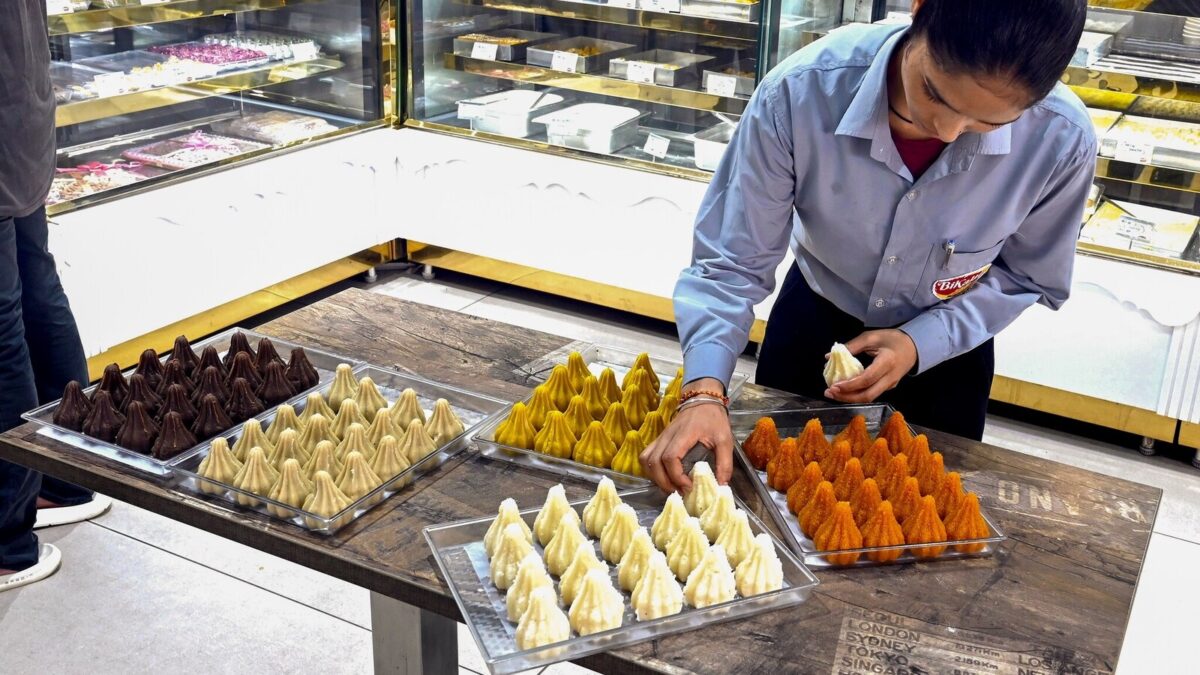
A modak is a sweet dumpling commonly offered to Lord Ganesha during Ganesh Chaturthi.
The steamed version is made with rice flour, jaggery, and coconut.
Hindu stories connect modaks with wisdom and divine knowledge.
One story says Ganesha won a special modak by showing wisdom about his parents.
Another story connects the offering of 21 modaks with Ganesha satisfying Lord Shiva.
People also give spiritual meanings to the modak’s shape.
Its outside can represent the physical body, while its sweet center can represent the soul or happiness inside.
The word “modak” comes from a word meaning joy or delight.

Modaks are traditional offerings to Lord Ganesha during Ganesh Chaturthi, especially the steamed ukadiche variety.
One legend says Ganesha earned a wisdom-filled modak by demonstrating that honoring his parents represented honoring the universe.
Another story links 21 modaks to Lord Shiva’s complete satisfaction after Ganesha ate one served by Goddess Anusuya.
The modak’s outer shell, sweet filling, and pointed shape are interpreted as symbols of the body, inner soul, and spiritual focus.
The Sanskrit root “Moda” means joy, pleasure, or delight, while regional celebrations also feature fried, dry-fruit, and mawa modaks.
- Who
- Devotees of Lord Ganesha, along with figures in Hindu legends including Ganesha, Goddess Parvati, Lord Shiva, and Goddess Anusuya.
- What
- An explainer describes the stories, symbolism, ritual importance, and regional varieties of modaks offered during Ganesh Chaturthi.
- Where
- Across Hindu celebrations, with steamed ukadiche modaks especially prominent in Western India.
- When
- During Ganesh Chaturthi, identified in the article as Monday, September 14, 2026.
- Why
- Modaks are offered to seek Ganesha’s blessings, joy, obstacle removal, and household prosperity.
Key facts
- Traditional offering
- Ukadiche modak, a steamed rice-flour dumpling filled with jaggery and coconut
- Associated deity
- Lord Ganesha, described as Modakapriya, or the lover of sweet dumplings
- Ritual number
- Twenty-one modaks are traditionally offered during some Ganeshotsav worship
- Symbolic shell
- The outer casing may represent the material world, body, or physical shell
- Symbolic filling
- The sweet inner mixture may represent the soul or divine bliss
- Word origin
- “Modak” derives from the Sanskrit root “Moda,” meaning joy, pleasure, or delight
- Regional varieties
- Celebrations may include steamed, fried, dry-fruit, and mawa modaks
Sources
Related news
Why Modak Is Considered Lord Ganesha’s Favourite Sweet
Modak, Ganeshotsav’s Signature Sweet, Dates Back 2,000 Years
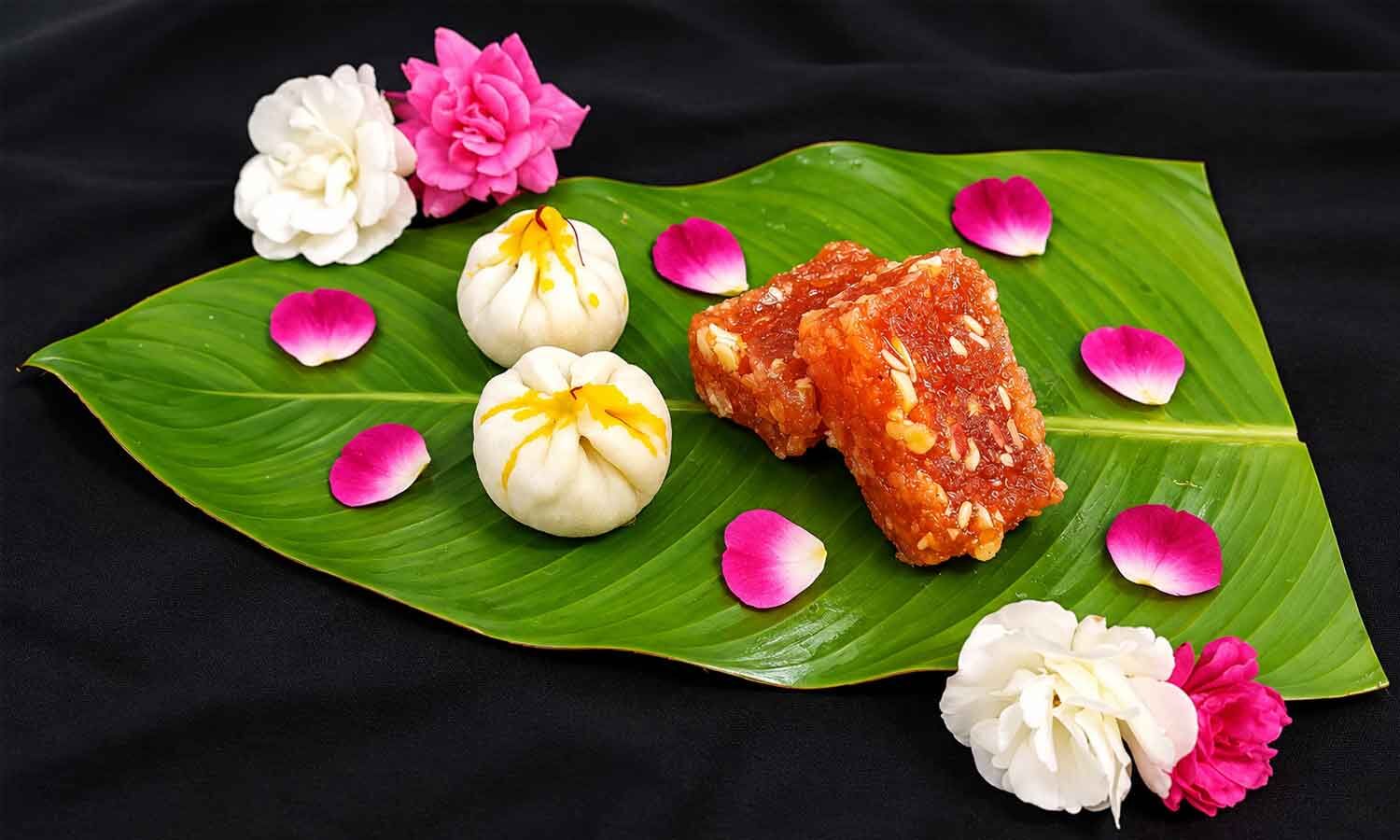
Traditional Ukadiche Modak Recipe for Ganesh Chaturthi Celebrations

How Ganesh Chaturthi's Traditional Modak Became a Gourmet Dessert
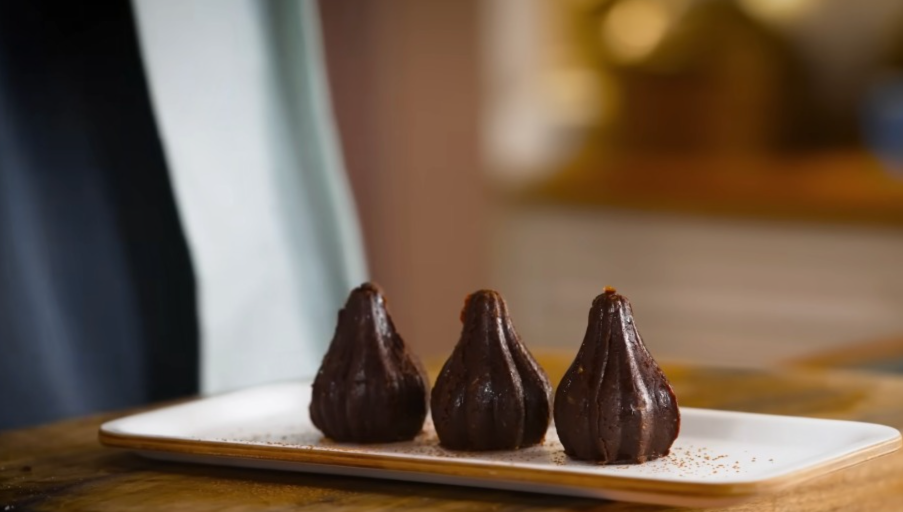
Four Easy Modak Recipes for Ganesh Chaturthi 2026

Ganesh Chaturthi 2026: Traditional Foods Offered to Lord Ganesha

Ganesh Chaturthi: Shyam Pathak Explains Artists’ Devotion To Bappa
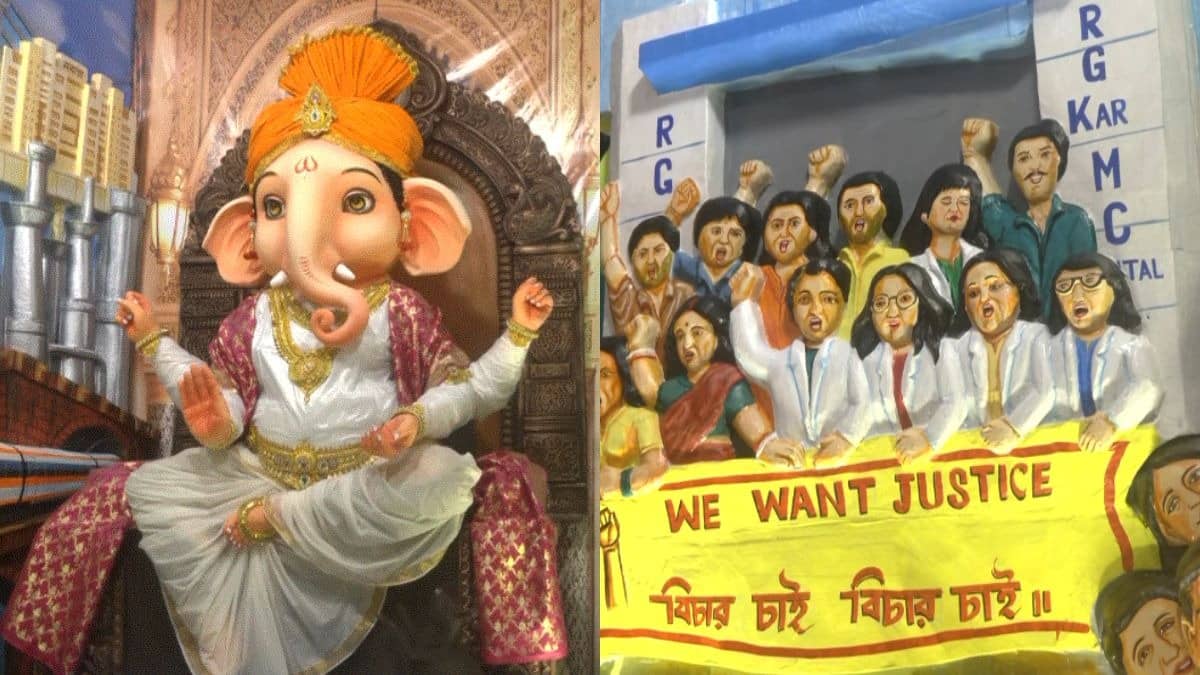
Kolkata Ganesh Chaturthi Celebration Highlights Parivartan Theme for Developed Bengal
Ganesh Chaturthi 2026 Celebrated With Prayers, Joy And Wishes
Assam’s 45-Foot Ganesh Idol Honors Singer Zubeen Garg