

Archive · 4 Sep 2026
Pakistan’s Punjab Assembly Approves Secret Terror Trial Law
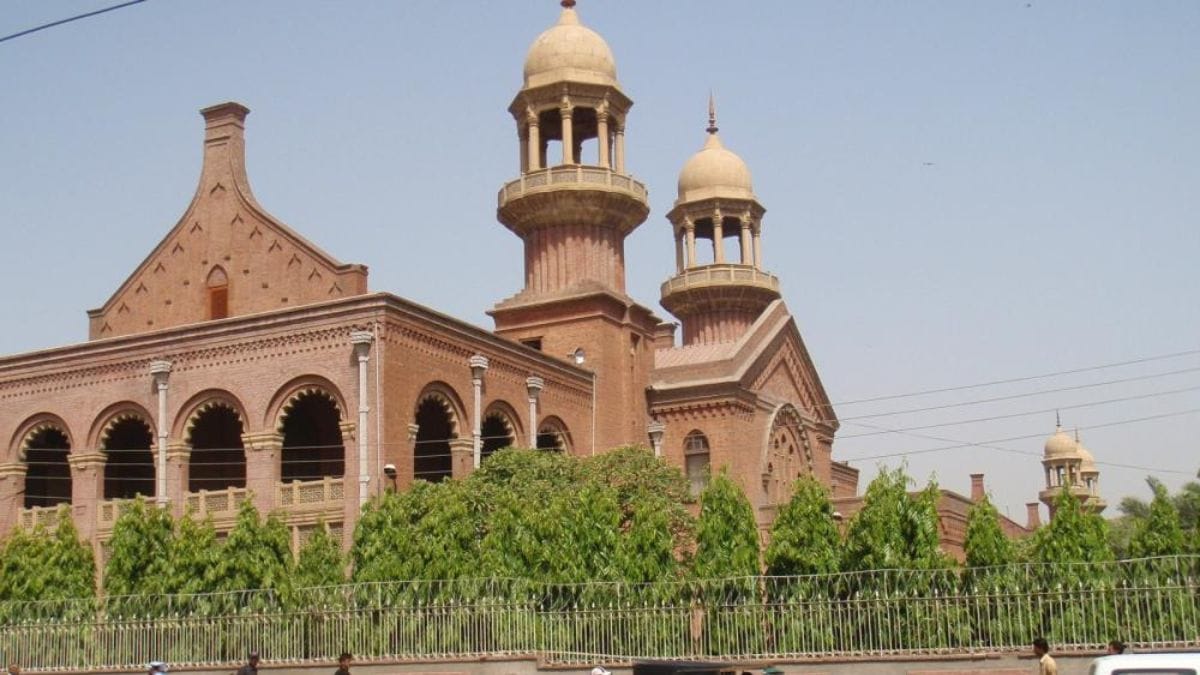
Pakistan’s Punjab province has approved a new law for some terrorism cases.
The law can keep the names of judges, lawyers, police officers and witnesses secret.
Hearings can happen by video, and people’s voices can be changed.
A government bureaucrat can decide which cases receive this secret treatment.
Critics say this could make it very difficult for accused people to defend themselves.
They also worry that the law could be used against protesters or political opponents.
The government says the measure is meant to protect people involved in terrorism cases.
One lawyer disagrees with the critics and says the law does not clearly remove important defence rights.
The debate is about how to protect people from threats without weakening fair trials.

Punjab’s Assembly passed the Anti-Terrorism (Punjab Amendment) Bill 2026 on 31 August after opposition leaders walked out.
The law allows designated terrorism cases to be heard without revealing the identities of judges, prosecutors, police officers, witnesses or defence lawyers.
A confidential government-appointed bureaucrat can classify cases as “special security cases,” with defendants unable to challenge the designation.
Hearings may take place remotely, voices may be altered, and case files may be sealed and jointly held by judicial and government authorities.
Lawyers and rights groups say the measure threatens fair-trial rights, while one Supreme Court advocate argues it mainly protects identities without expressly removing core defence rights.
- Who
- The Punjab Assembly, the provincial government, lawyers, opposition politicians and human rights groups are involved.
- What
- Punjab approved legislation allowing certain terrorism cases to be conducted with the identities of participants concealed.
- When
- The bill was passed on 31 August 2026.
- Where
- Punjab province, Pakistan.
- Why
- Government officials defended the measure as a way to protect judges, prosecutors, police officers, witnesses and defence lawyers from threats linked to terrorism cases.
Critics and Rights Groups
Government Supporters and Defenders
Fair-trial rights
Critics and Rights Groups
Lawyers and human rights organizations say secret, anonymous proceedings could violate Pakistan’s constitutional fair-trial guarantees and make it difficult for accused people to challenge evidence.
Government Supporters and Defenders
Supreme Court advocate Ijaz Ahmed said the amendment does not expressly remove the right to a defence lawyer of choice, cross-examination, reasoned judgments or appeals, and primarily focuses on keeping identities secret.
Executive control
Critics and Rights Groups
Critics object that a government bureaucrat, rather than a judge, can trigger the special-security process, while defendants cannot challenge the designation.
Government Supporters and Defenders
Supporters defend the system as a security measure intended to protect people involved in terrorism cases, although officials did not identify a specific attack or case that prompted the bill.
Potential political use
Critics and Rights Groups
Rights groups warn that the broad and undefined powers could eventually be used against protesters, political opponents or ordinary citizens.
Government Supporters and Defenders
The government presents the measure as part of Pakistan’s response to terrorism; the articles do not report officials acknowledging that it could be used for political purposes.
- Law
- Anti-Terrorism (Punjab Amendment) Bill 2026
- Approval
- Passed by the Punjab Assembly on 31 August after an opposition walkout
- Case designation
- A government-appointed senior bureaucrat, called the designated authority, can classify cases or categories of cases as “special security cases”
- Identity protections
- Names of judges, prosecutors, police officers, witnesses and defence lawyers may be withheld
- Court procedures
- Proceedings may occur remotely, including from prisons, and voices may be altered
- Records
- Case files may be sealed and jointly held by the Lahore High Court chief justice and the designated authority
- Duration
- The legislation contains no expiration date