

Archive · 23 Jul 2026
Phantom Twist Drone Blurs into Invisibility
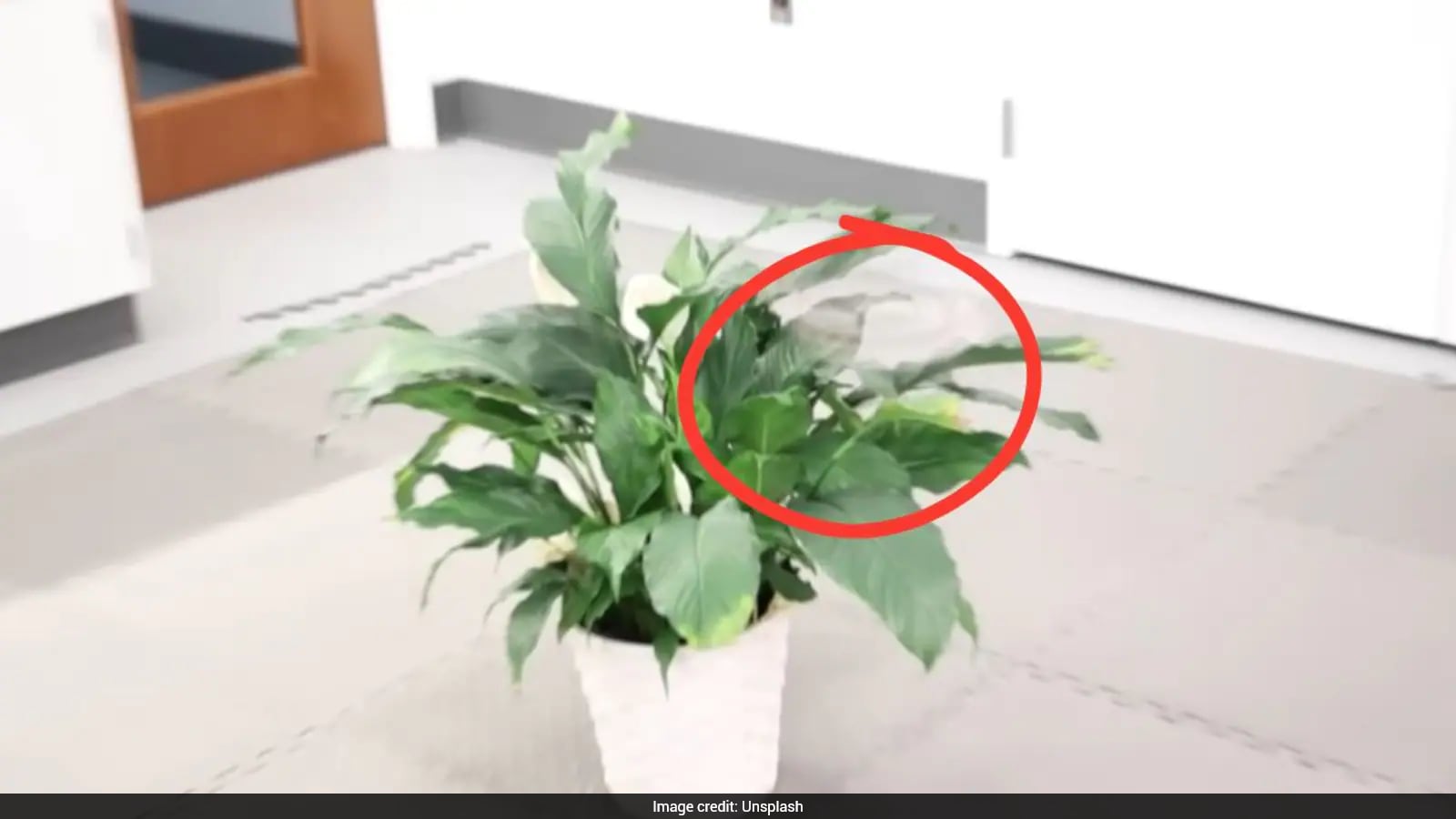
Engineers have created a tiny drone called Phantom Twist that spins so fast it becomes almost invisible to the human eye.
Unlike other stealth drones that use camouflage, this one relies on its high-speed rotation to blur into the background.
The drone is about the size of a palm and weighs only 30 grams.
It was designed using AI to generate millions of configurations before settling on the final design.
The team presented their work at a robotics conference in Sydney.
This drone could be used for tasks like surveying wildlife or inspecting infrastructure without disturbing the environment.

Phantom Twist drone spins up to 25 times per second to become nearly invisible.
Developed by engineers at Northwestern University using AI for design.
Weighs 30 grams and fits in the palm of a hand.
10 times less visually perceptible than a standard quadcopter.
Potential applications include wildlife surveying and infrastructure inspection.
- Who
- Engineers at Northwestern University
- What
- Developed a drone that spins fast to become nearly invisible to the human eye
- When
- Presented at Robotics: Science and Systems 2026 in Sydney
- Where
- Developed at Northwestern University, presented in Sydney
- Why
- To create a drone that is less perceptible to the human eye for various applications
Traditional Stealth Drones
Phantom Twist Drone
Stealth Mechanism
Traditional Stealth Drones
Uses camouflage, transparent plastics, light-bending optics, or chameleon coatings to blend with the environment.
Phantom Twist Drone
Relies on high-speed rotation to create a blur effect, making it less perceptible to the human eye.
Design Approach
Traditional Stealth Drones
Focuses on mimicking the surroundings to avoid detection.
Phantom Twist Drone
Focuses on exploiting human visual perception limitations through motion.
- Drone Name
- Phantom Twist
- Developers
- Northwestern University team
- Rotation Speed
- Up to 25 times per second
- Weight
- 30 grams
- Visibility Metric
- 10 times less visually perceptible than a standard quadcopter
- Design Process
- Fully automated using AI
- Potential Applications
- Surveying wildlife, inspecting infrastructure, monitoring environments