

Archive · 22 Jan 2026
IRGC Tightens Grip on Iran's Power
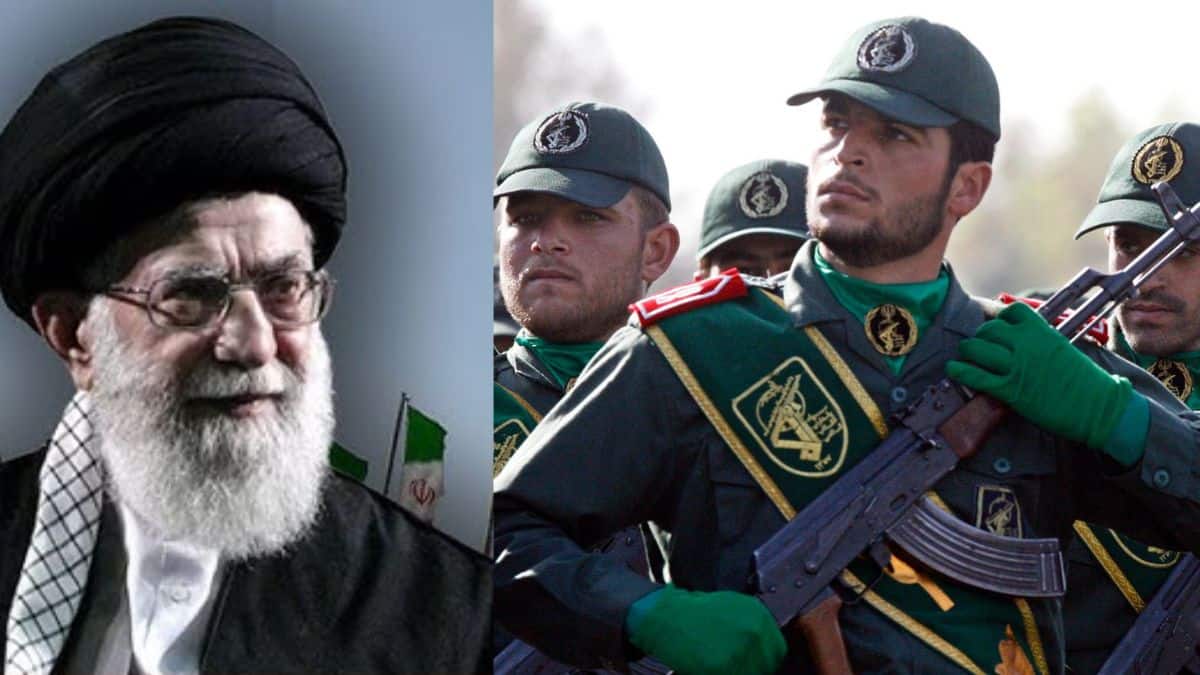
The Islamic Revolutionary Guard Corps (IRGC) in Iran is becoming more powerful.
They started as a military group but now control many parts of the government and economy.
The leader of Iran, Ayatollah Ali Khamenei, is still in charge, but the IRGC is making most of the important decisions.
People are worried about what will happen when Khamenei is no longer in power.
The IRGC also controls a lot of money and businesses, which makes them very strong.
This means that even if there are big changes in Iran, the IRGC will still have a lot of power.
Other countries have to deal with the IRGC when they talk to Iran about important issues.

The Islamic Revolutionary Guard Corps (IRGC) is increasingly controlling Iran's political and economic systems.
Supreme Leader Ayatollah Ali Khamenei remains the public face of authority, but the IRGC shapes Iran's future.
The IRGC has expanded its influence into political, economic, and security spheres.
Economic struggles and succession concerns highlight the IRGC's role in maintaining order.
The IRGC's economic control and sanctions evasion mechanisms reinforce its dominance.
- Who
- Islamic Revolutionary Guard Corps (IRGC)
- What
- IRGC's increasing control over Iran's political and economic systems
- When
- Amid current political and economic turmoil
- Where
- Iran
- Why
- To maintain order, continuity, and resist domestic and foreign pressures
- IRGC
- Islamic Revolutionary Guard Corps
- Supreme Leader
- Ayatollah Ali Khamenei
- IRGC's Role
- Military, political, and economic influence
- Succession Concerns
- Uncertainty over Khamenei's eventual departure
- Economic Control
- IRGC controls infrastructure, energy, and construction sectors
- Sanctions Evasion
- IRGC uses shadow oil exports and digital assets
- International Implications
- IRGC interests tied to Iranian state policy