

Archive · 7 Oct 2026
Tibet Glacier Ice May Date Back 128,000 Years
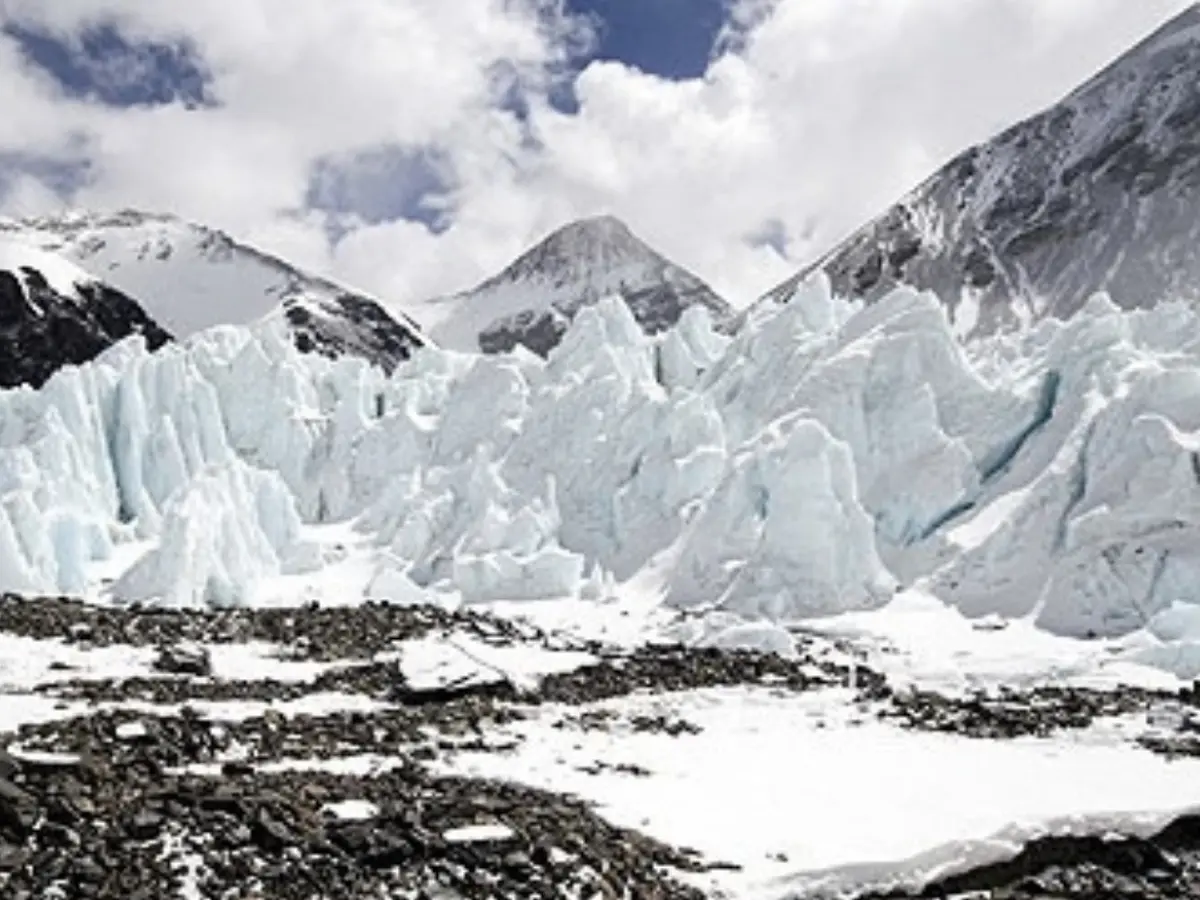
Scientists studied very old ice in the Guliya ice cap in Tibet.
They think some of it may be more than 128,000 years old.
That means the ice could hold clues about the last ice age.
The team examined ice cores drilled in 1992 and 2015.
The cores showed similar patterns, suggesting the climate clues were not unique to one drilling spot.
Researchers also studied radioactive materials in the ice to estimate its age.
They matched some clues to a change in Earth’s magnetic field that happened about 41,000 years ago.
They compared the ice with records from cave deposits on the Tibetan Plateau.
Together, these clues suggest the oldest ice may be exceptionally ancient for a mountain glacier.

Researchers estimate that the oldest ice in Tibet’s Guliya ice cap may be more than 128,000 years old.
The ice may preserve a record from the last glacial period.
Scientists compared ice cores drilled in 1992 and 2015, finding similar oxygen-isotope patterns.
They used radioactive beryllium and chlorine isotopes to help determine the ice’s age.
The Laschamp Geomagnetic Excursion, dated to about 41,000 years ago, served as a time anchor.
- Who
- Researchers, including study lead author Lonnie Thompson.
- What
- Scientists estimated that the oldest ice in the Guliya ice cap may be more than 128,000 years old.
- When
- The ice cores were drilled in 1992 and 2015; the age estimate is more than 128,000 years.
- Where
- The Guliya ice cap on Tibet’s Guliya Plateau.
- Why
- To establish the age of the ice and investigate the climate history it preserves.
- Estimated age
- The oldest ice may be more than 128,000 years old.
- Ice-cap location
- Guliya Plateau, Tibet.
- Core drilling years
- 1992 and 2015.
- Age-dating isotopes
- Radioactive isotopes of beryllium and chlorine.
- Time anchor
- The Laschamp Geomagnetic Excursion, about 41,000 years ago.
- Comparison records
- Oxygen-isotope records from cave deposits on the Tibetan Plateau.