8 months ago
Delhi Plans to Remove Kikar from Protected Tree List
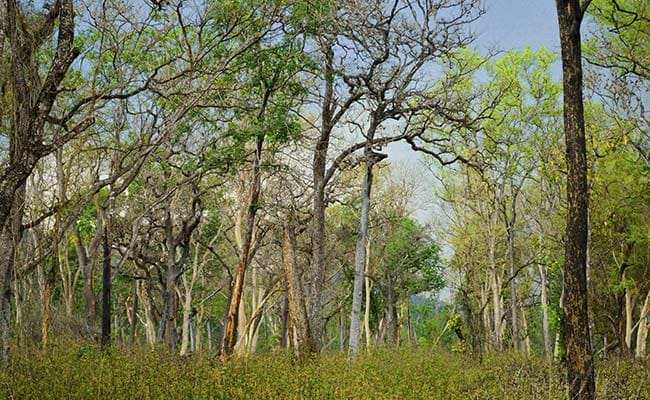
The Delhi government wants to remove kikar trees from a list of trees that need special permission to cut down.
These trees are causing problems because they grow quickly and block important construction and road projects.
The government is making rules to decide how to safely remove these trees without harming the environment.
Right now, you need permission from a tree officer to cut down a kikar tree, but the government wants to change that.
They are also making sure other important trees are protected.
This change will help with building roads and other projects in Delhi.

Delhi government plans to remove kikar from the list of trees requiring prior permission for felling.
Kikar trees are obstructing development projects like road widening and drainage works.
A Standard Operating Procedure (SOP) is being formulated for the identification, removal, and disposal of kikar trees.
The Delhi Preservation of Trees Act (DPTA), 1994 mandates prior permission for felling trees, with exceptions for emergency cases.
The proposed SOP aims to streamline the process and define responsibilities for various departments.
- Who
- Delhi government
- What
- Plans to remove kikar from protected tree list
- Where
- Delhi, India
- When
- Currently in planning phase
- Why
- Kikar is an invasive species obstructing development projects
Key facts
- Tree Species
- Kikar (Prosopis juliflora)
- Current Status
- Requires prior permission for felling
- Proposed Change
- Removal from protected list
- Reason for Change
- Invasive species hampering development
- Impacted Projects
- Road widening, drainage, Delhi Sports University
- Government Action
- Formulating Standard Operating Procedure (SOP)
- Legal Framework
- Delhi Preservation of Trees Act (DPTA), 1994
- Emergency Provision
- Permission not required for immediate danger cases
Quotes
An official
A government official involved in the planning process
“The land reserved for Delhi Sports University in Mundka is one such property. The kikar has occupied a large part of the land. In fact, nearly 2,000 trees occupy the land. Permission for their felling needs to be procured from a tree officer. The government is formulating an SOP (Standard Operating Procedure) for such cases.”
 NDTV
NDTV