Archive · 21 Jan 2026
Greenland's Ice Melted Completely in Past Warm Period
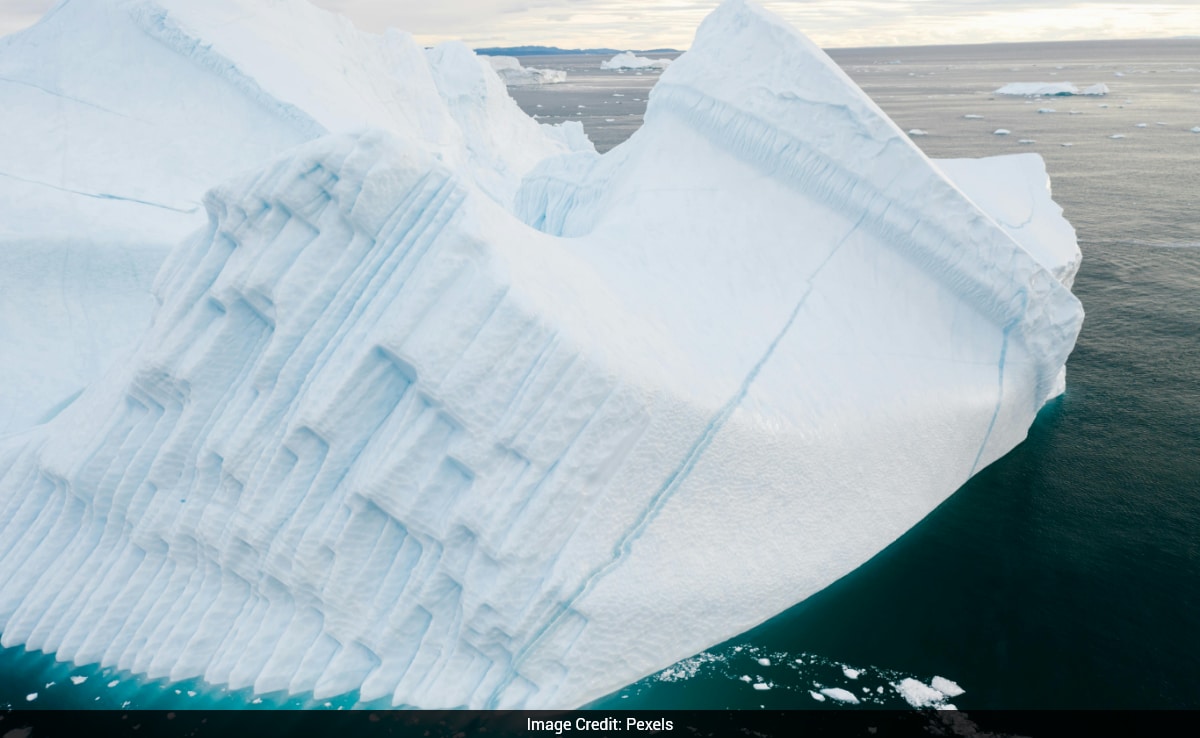
Scientists found out that Greenland's big ice sheet melted completely a long time ago when the world was warmer.
They drilled deep into the ice and found that the ice was gone for a while before it came back.
This happened about 7,000 years ago when temperatures were similar to what scientists think might happen by the end of this century if we don't reduce greenhouse gases.
The study shows that even a small increase in temperature can make big ice sheets disappear.
This is important because it helps us understand what could happen to Greenland's ice in the future if the world keeps getting warmer.

Scientists discovered that Greenland's ice sheet completely melted during a warm period 7,000 years ago.
The Holocene Warm Period had temperatures 3 to 5 degrees Celsius warmer than pre-Industrial times.
Drilling at Prudhoe Dome revealed the ice sheet disappeared and later reformed.
The study suggests that even small temperature increases can significantly impact large ice sheets.
The findings highlight potential future risks to Greenland's ice due to rising temperatures.
- Who
- Scientists involved in the GreenDrill project
- What
- Discovery that Greenland's ice sheet completely melted during a past warm period
- When
- Between 6,000 and 8,200 years ago (Holocene Warm Period)
- Where
- Prudhoe Dome, Greenland
- Why
- To understand the stability of Greenland's ice sheet under warmer conditions and assess future risks
- Study Focus
- Greenland's ice sheet stability during past warm periods
- Time Period Studied
- 7,000 years ago (Holocene Warm Period)
- Temperature Increase
- 3 to 5 degrees Celsius warmer than pre-Industrial Era
- Drilling Location
- Prudhoe Dome, Greenland
- Drilling Depth
- More than 500 meters
- Key Finding
- Ice sheet completely disappeared and later reformed
- Project Name
- GreenDrill