

1 month ago
IEA Warns of 25% Copper Supply Deficit by 2035
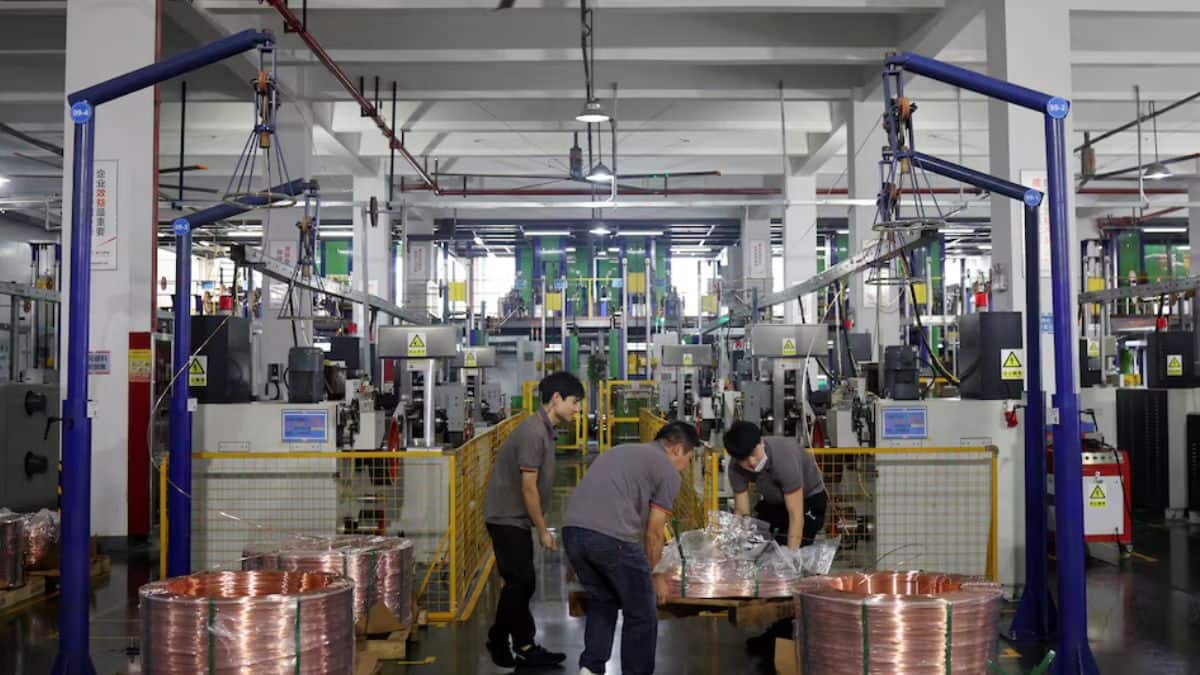
The International Energy Agency (IEA) has warned that there could be a 25% shortfall in global copper supply by 2035.
This is because new mines are hard and expensive to develop, and the quality of copper ore has been decreasing.
At the same time, demand for copper is growing rapidly due to the expansion of renewable energy, electric vehicles, and data centres.
The IEA says that without more investment in new mining projects, the world could face a significant copper shortage in the coming years.

Global primary copper supply could face a 25% deficit by 2035 due to insufficient new mining projects.
Copper ore grades have dropped by 40% since 1991, making extraction more complex and costly.
Capital required for expanding existing mines has increased by 65% since 2020.
Only 5% of all copper deposits discovered in the last 35 years were found in the last decade.
Accelerating demand for copper is driven by renewable energy, electric vehicles, grid modernisation, and AI-linked data centres.
- Who
- International Energy Agency (IEA)
- What
- Projected 25% copper supply deficit by 2035
- Where
- Global
- When
- By 2035
- Why
- Insufficient new mining projects, declining ore grades, increasing costs, and accelerating demand
Supply Constraints
Demand Growth
Supply Shortfall
Supply Constraints
The pipeline of new mining projects is insufficient to meet rising demand, leading to a projected 25% deficit by 2035.
Demand Growth
Global demand for copper is accelerating due to renewable energy, electric vehicles, and data centres.
Increasing Costs
Supply Constraints
New mines are becoming increasingly difficult and expensive to develop, with capital intensity rising 65% since 2020.
Demand Growth
The strategic importance of copper in clean energy and transport is driving investment and innovation.
Resource Depletion
Supply Constraints
Copper ore grades have dropped by 40% since 1991, making extraction more complex and costly.
Demand Growth
The rapid growth of AI-linked data centres and grid modernisation is reinforcing copper's critical role.
Key facts
- Projected Supply Deficit
- 25% by 2035
- Average Copper Ore Grade Decline
- 40% since 1991
- Capital Intensity Increase
- 65% since 2020
- Copper Discoveries
- 5% of all deposits found in the last decade
- Key Demand Drivers
- Renewable energy, electric vehicles, grid modernisation, AI-linked data centres
Quotes

International Energy Agency
Global energy analytics organization
“"Based on the current project pipeline, global primary copper supply could face a 25% deficit by 2035 under today’s policy settings," the report said.”
 firstpost.com
“"The capital required to expand existing mines has risen sharply," the agency noted.”
firstpost.com
Sources
Related news

iPhone 18 Pro and Pro Max Compared in India

ASUS Expands TUF Gaming Laptops in India With New Models

Keelon Russell Named Alabama’s Starting Quarterback for 2026

Reliance Explores Aluminium Production Through Odisha Bauxite and Coal Gasification

Professor, Five Students Arrested in IGKV Paper Leak

Copper Hits Record High as Tariff Fears Tighten Supplies
Copper Hits Record High as Supply Fears Meet Demand

Copper Futures Near Support as Broader Uptrend Holds

India and Chile Advance FTA Talks, Focusing on Critical Minerals
