

Archive · 5 Nov 2025
Mumbai Airport to Demolish Unused Terminal-1A After MMRDA Approval
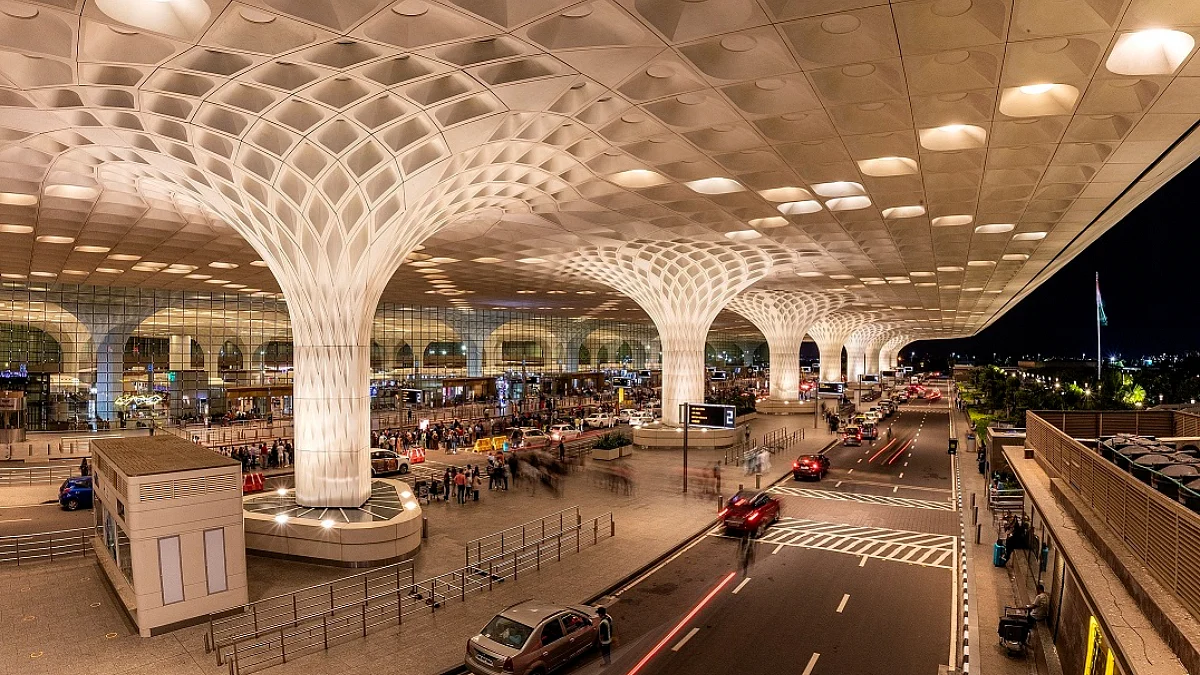
The airport in Mumbai called CSMIA is going to tear down an old building called Terminal-1A because it hasn't been used in a long time.
The city's planning group, called MMRDA, gave permission for this to happen.
This demolition is part of a bigger plan to make Terminal-1 much better and able to handle more people.
Right now, Terminal-1 can help 13.7 million people each year, but after it's fixed up, it will be able to help 20 million people, which is a lot more!
The airport people say they will wait until a new airport in Navi Mumbai is ready before they start tearing down the old parts of Terminal-1.
This way, people traveling won't have trouble getting around during the changes.

Mumbai's Chhatrapati Shivaji Maharaj International Airport (CSMIA) will demolish its unused Terminal-1A.
Mumbai International Airport Ltd. (MIAL) received a no-objection certificate (NOC) from MMRDA on September 24 for the demolition.
The demolition includes the Terminal-1A building, an elevated road, a defunct chiller plant, and a temporary shed.
Terminal-1 is planned for a significant transformation to increase its annual passenger handling capacity by 42% to 20 million.
The demolition of Terminal-1 is linked to the operational timeline of the Navi Mumbai International Airport to ensure smooth passenger traffic management during the transition.
- Who
- Mumbai International Airport Ltd. (MIAL)
- What
- Demolition of unused Terminal-1A, elevated road, defunct chiller plant, and temporary shed.
- When
- Following MMRDA's no-objection certificate on September 24.
- Where
- Chhatrapati Shivaji Maharaj International Airport (CSMIA), Mumbai.
- Why
- To facilitate redevelopment plans for Terminal-1.
- Airport Operator
- Mumbai International Airport Ltd. (MIAL)
- Approving Authority
- Mumbai Metropolitan Region Development Authority (MMRDA)
- Approval Date
- September 24
- Terminal Slated for Redevelopment
- Terminal-1
- Planned Annual Passenger Capacity (Terminal-1)
- 20 million
- Expected Capacity Increase (Terminal-1)
- 42%