

Archive · 25 Oct 2025
Vark: A Glimpse into the History, Tradition, and Controversy of Silver Leaf
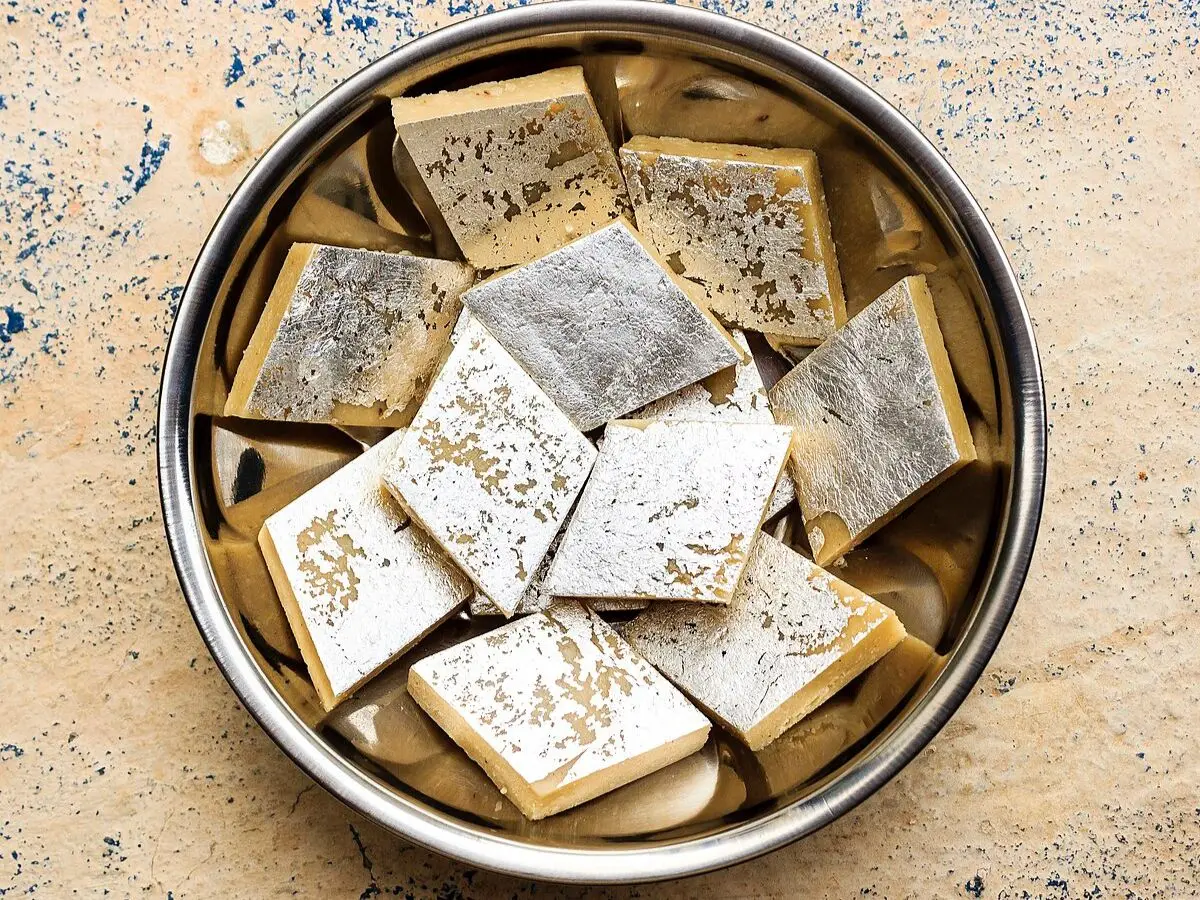
Imagine a shiny, silver coating on your sweets!
This is called vark, or silver leaf, and it's been around in India for a very long time.
It started as a medicine, believed to keep you healthy, and then became a way to make food look beautiful, especially for royals.
Traditionally, artisans would hammer silver into super thin sheets between animal parts, but this caused some problems.
Nowadays, to be fair to everyone, especially vegetarians, it is now mainly made with plant-based stuff.
Vark is still used on sweets during celebrations, bringing a sparkle to festivals like Diwali.

Vark is edible silver leaf used for decorating sweets and other foods, with a history going back over 2,000 years.
Historically, vark production involved hammering silver between animal membranes, a practice rooted in tradition and Ayurveda.
This practice led to ethical debates and concerns, particularly from vegetarians.
In 2016, India banned the use of animal intestines in edible silver and gold leaf production.
Today, most vark uses plant-based or synthetic materials to meet vegetarian standards.
- Who
- Artisans and consumers
- What
- Vark, edible silver leaf
- When
- Over 2,000 years, with current changes in the 21st century
- Where
- India
- Why
- Symbol of purity, prosperity, and cultural significance in Indian cuisine and traditions.
- Definition
- Edible silver leaf used for decorating food
- Ancient Use
- Medicinal ingredient in Ayurveda
- Traditional Production
- Silver hammered between animal intestines
- Modern Production
- Plant-based or synthetic materials
- Current Status
- Vegetarian vark is now standard