

1 hr ago
Trump’s Lavish Xi Visit Tests US-China Strategic Tensions
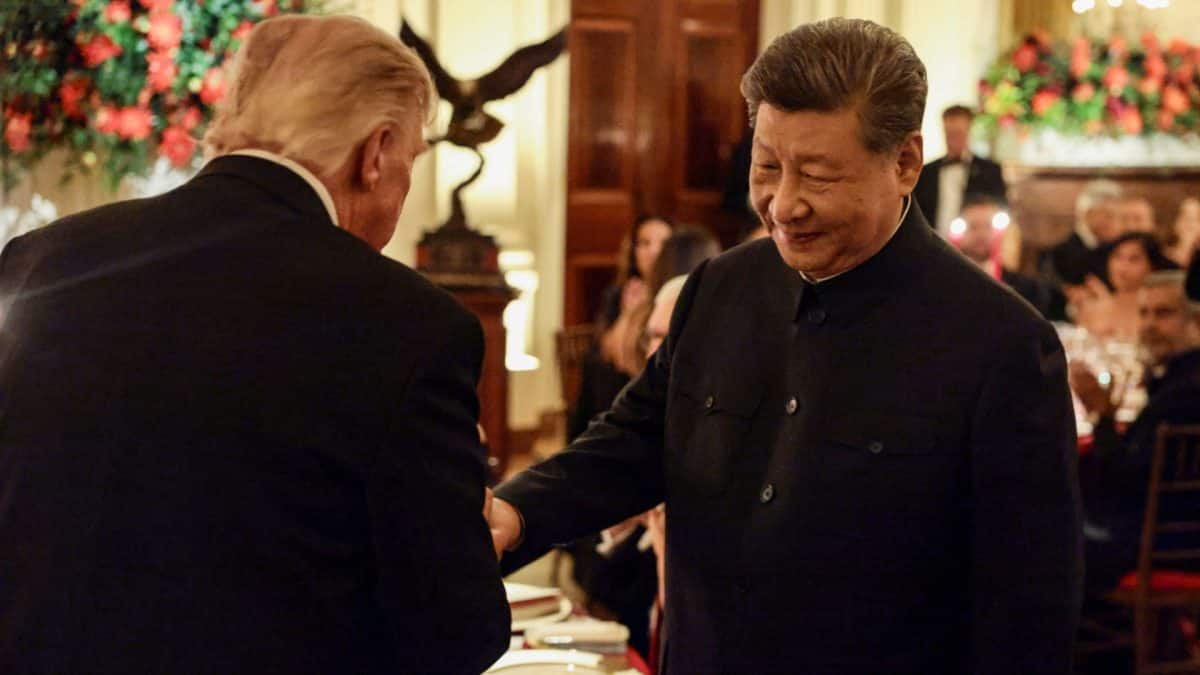
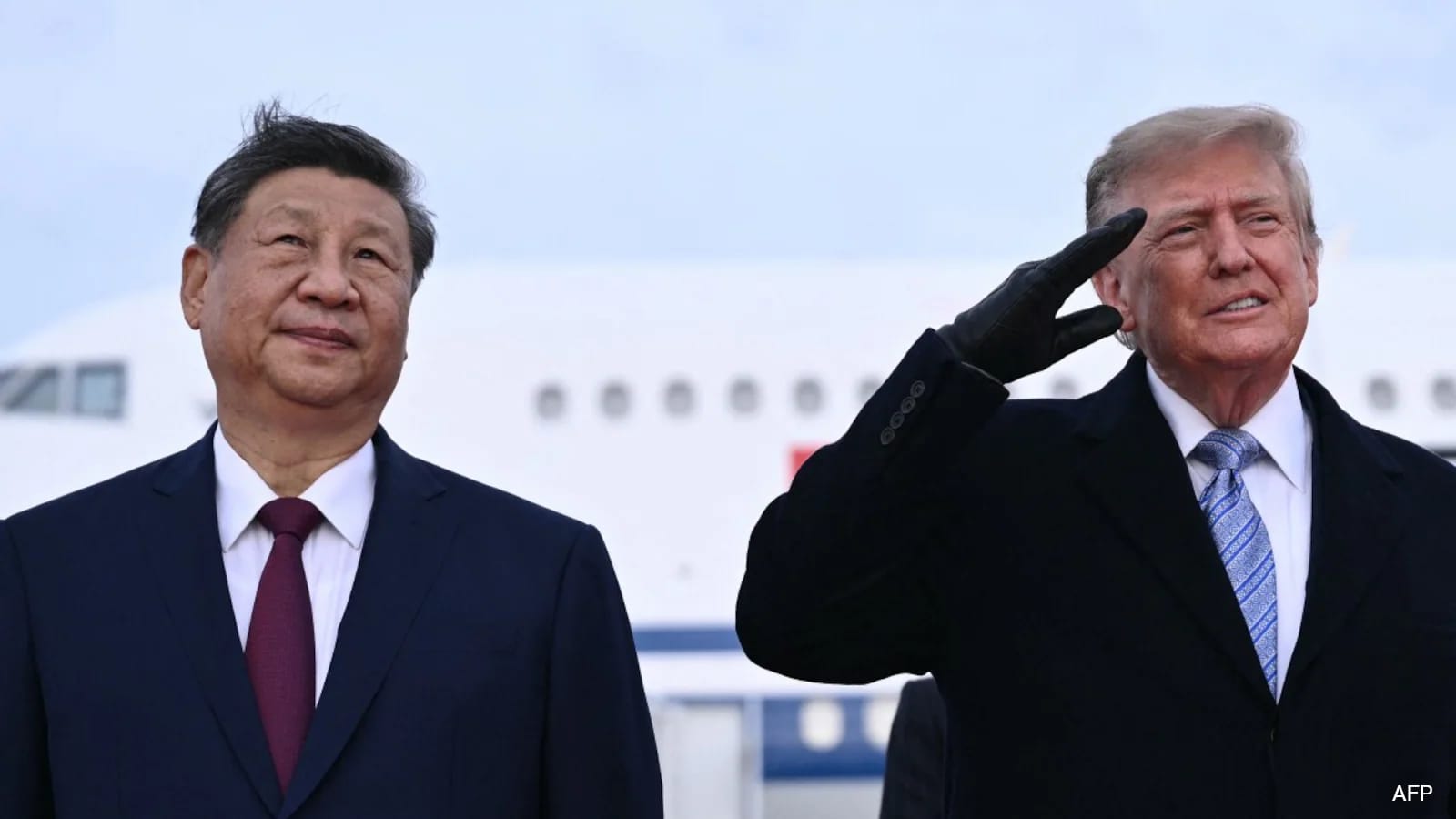
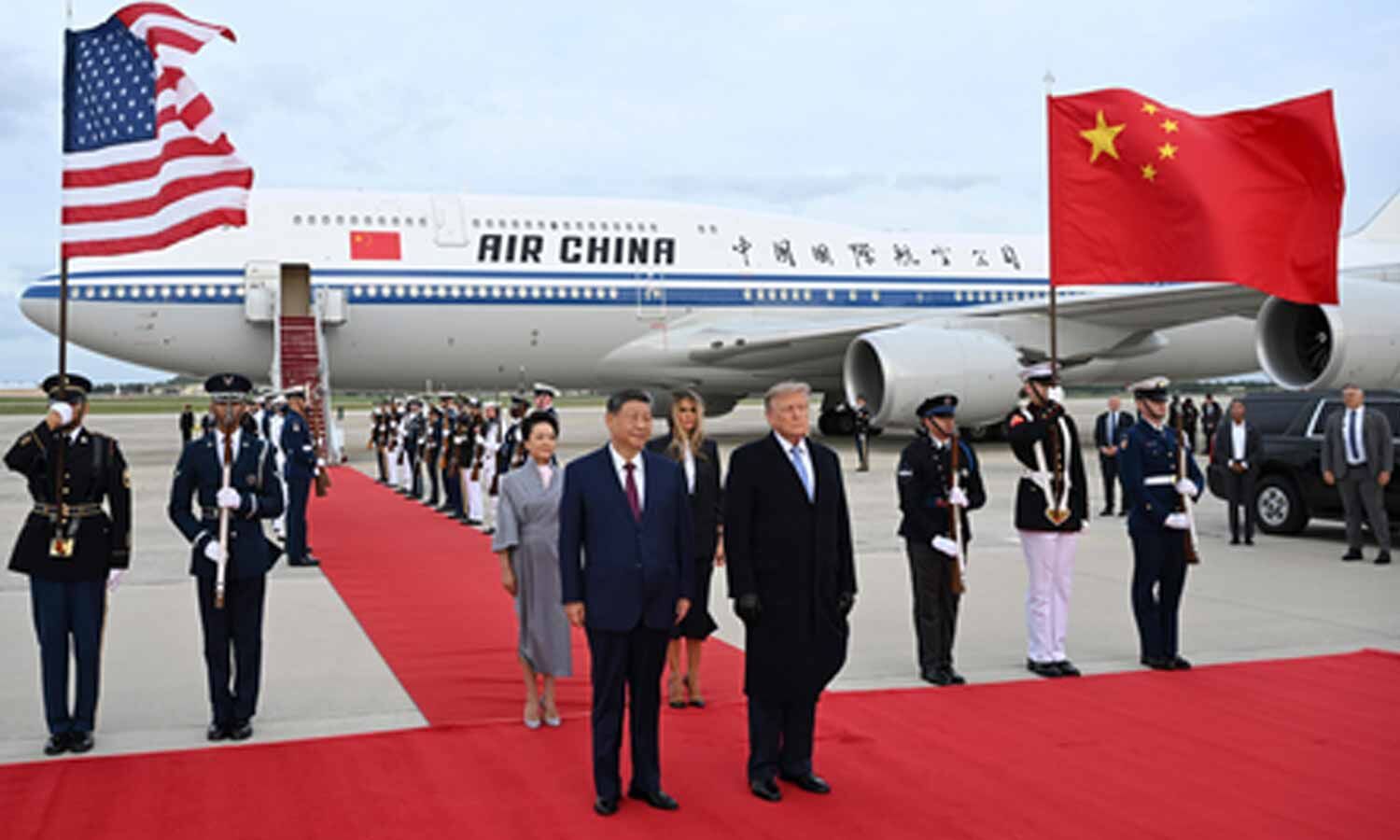
Donald Trump gave Xi Jinping a very grand welcome in Washington.
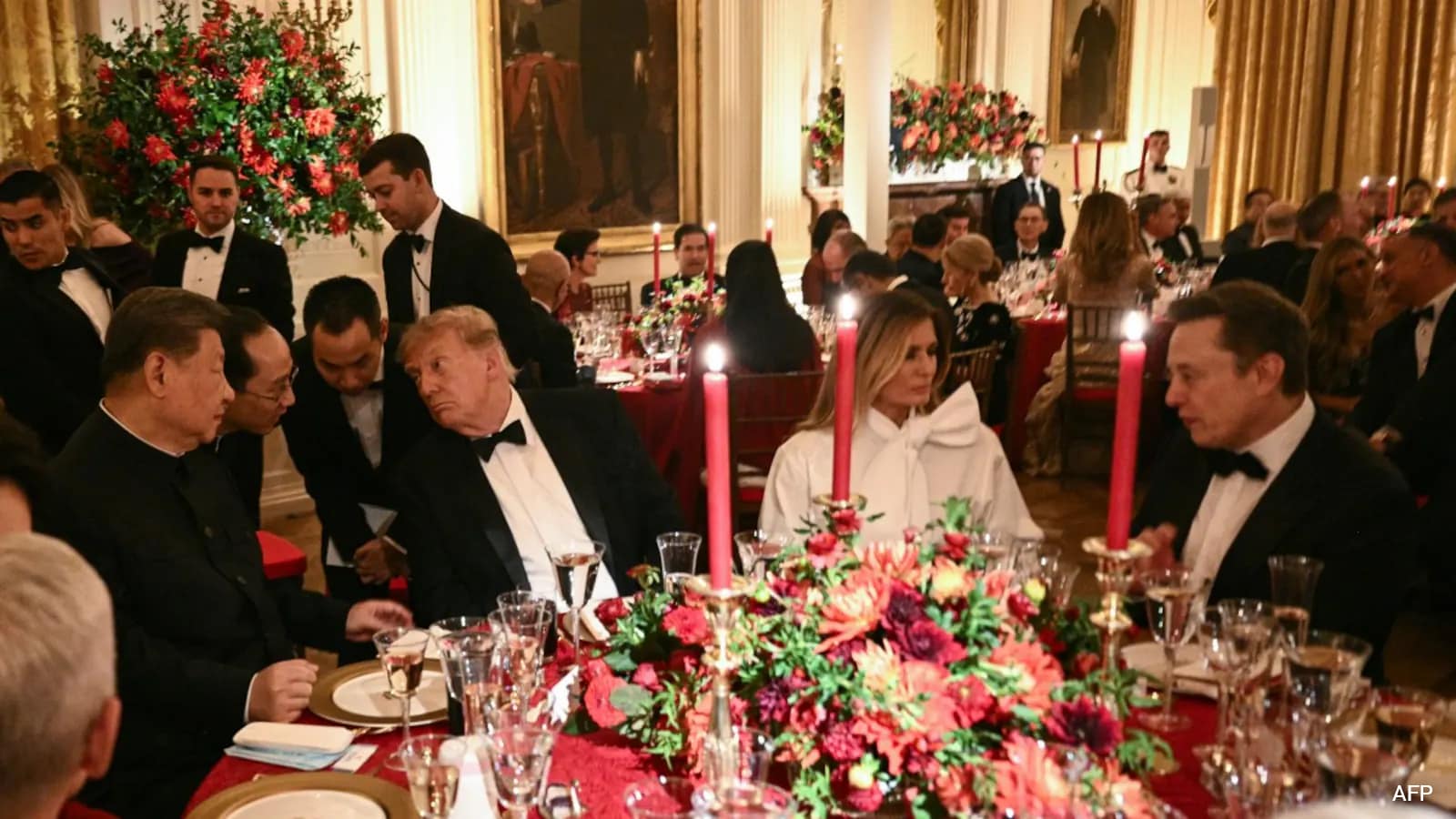
There were military ceremonies, aircraft flyovers and a formal dinner.
Many technology and business leaders attended the dinner.
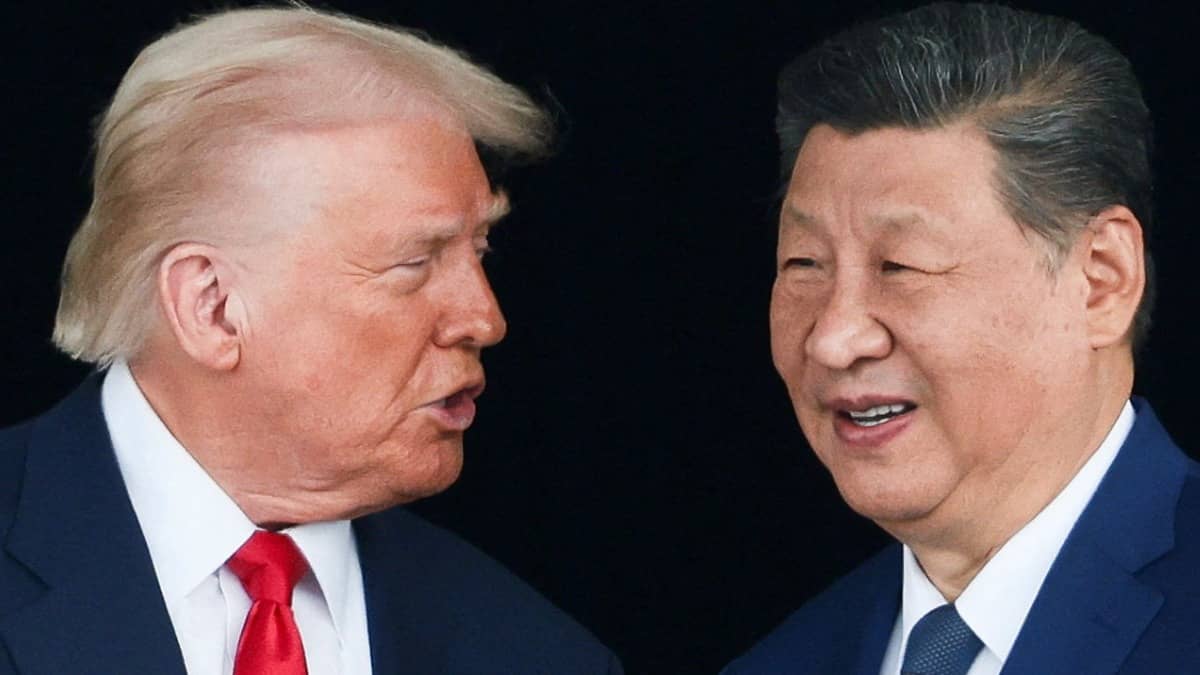
The two presidents discussed difficult subjects, including trade, computer technology and Taiwan.
They agreed in principle to warn each other about serious artificial-intelligence problems.
However, they did not announce a permanent end to tariffs or a major trade agreement.
Xi also offered pandas and invited young Americans to visit China.
Experts said Xi may have enjoyed the ceremony but remained firm about China’s important national interests.

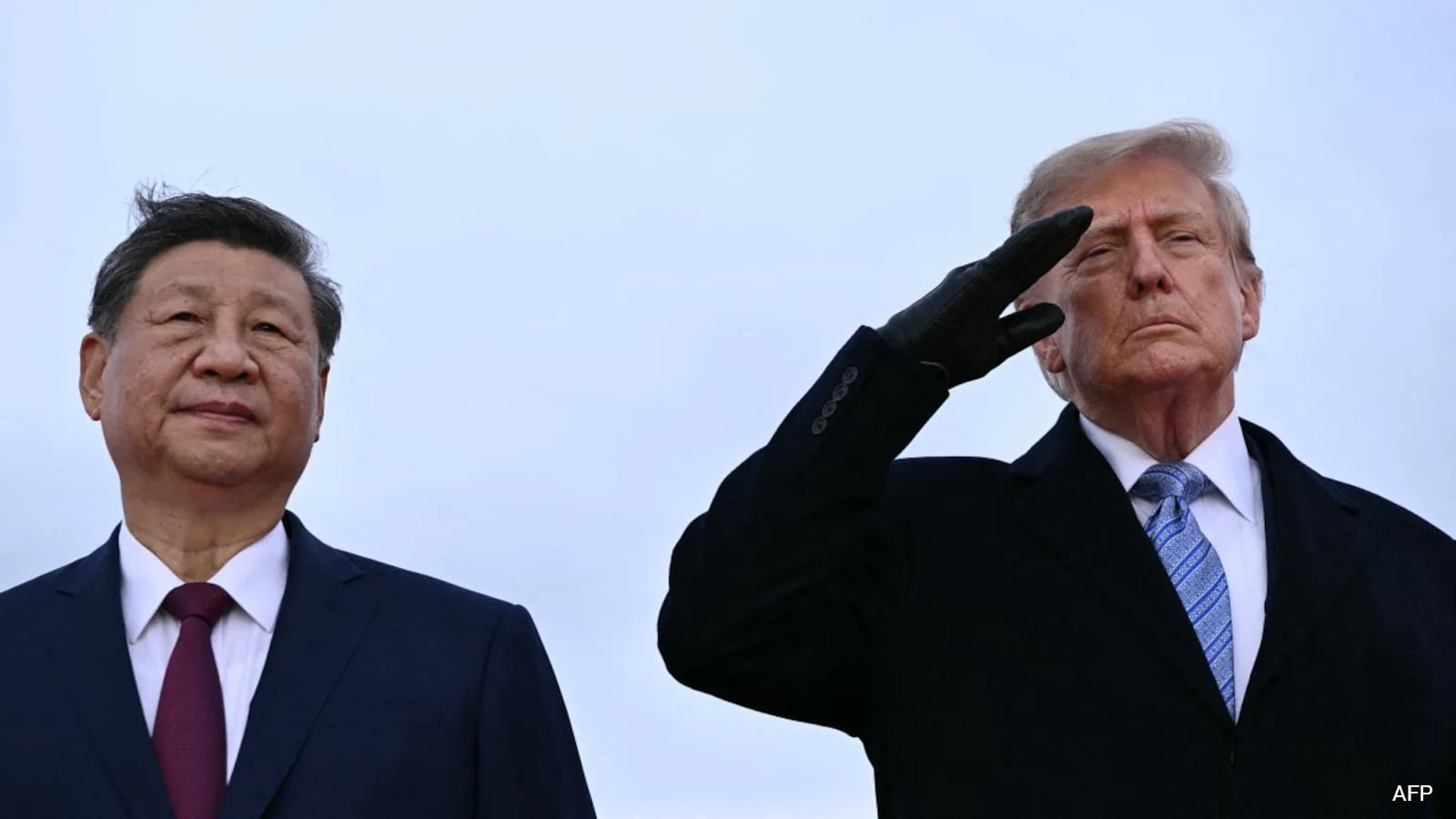
Donald Trump staged an elaborate military and White House reception for Xi Jinping during Xi’s three-day US state visit.
The two leaders discussed artificial intelligence, rare earths, tariffs, semiconductors, Taiwan and crisis-management mechanisms.
Washington and Beijing agreed in principle to create an AI notification framework, but announced no major long-term trade deal.
Xi urged opposition to Taiwan independence and called for regular military dialogue and stronger crisis-management measures.
China announced new panda diplomacy and expanded exchanges, while analysts said the reception reinforced Beijing’s image as a US peer.
- Who
- US President Donald Trump and Chinese President Xi Jinping, along with their spouses and officials from both countries.
- What
- A three-day US state visit featuring ceremonies, a state dinner and talks on trade, artificial intelligence, rare earths, semiconductors and Taiwan.
- Where
- Washington, DC, including Joint Base Andrews, the White House and the National Archives.
- When
- The visit began Wednesday and was scheduled to conclude Friday, with the main White House events taking place Thursday.
- Why
- The leaders sought to manage US-China tensions, pursue cooperation and discuss disputes involving trade, technology, critical minerals and regional security.
Washington’s Leverage and Security Concerns
Beijing’s Sovereignty and Peer-Status Demands
Trade and critical minerals
Washington’s Leverage and Security Concerns
US officials pressed China to ease restrictions on rare-earth exports, which are important to American defense systems, electric vehicles and electronics.
Beijing’s Sovereignty and Peer-Status Demands
Chinese negotiators sought the rollback of US export controls on advanced semiconductors and semiconductor-manufacturing equipment.
Taiwan
Washington’s Leverage and Security Concerns
The Trump administration has kept a proposed $14 billion arms package for Taiwan on hold and has treated it as possible negotiating leverage with Beijing.
Beijing’s Sovereignty and Peer-Status Demands
Xi urged Washington to oppose Taiwan independence and handle the Taiwan question cautiously, reaffirming China’s position on territorial integrity and sovereignty.
Meaning of the reception
Washington’s Leverage and Security Concerns
The military ceremony, White House hospitality and technology-focused dinner were presented as signs of US strength, diplomacy and influence.
Beijing’s Sovereignty and Peer-Status Demands
Analysts cited in the article said Beijing viewed the reception as recognition of China as an equal superpower and evidence supporting its “East is rising” narrative.
Key facts
- Visit length
- Three days
- Military reception
- 479 US military personnel represented every branch of the armed forces
- AI cooperation
- The countries agreed in principle to establish an AI notification framework
- Rare-earth position
- The article says China controls up to 70% of global rare-earth mining and 85% of refining capacity
- Tariff truce
- The truce was extended by two months, rather than the six months Beijing had sought
- Taiwan arms package
- A proposed $14 billion US arms sale to Taiwan remained on hold
- China’s cultural initiatives
- China announced two pandas for Zoo Atlanta and invited 100,000 young Americans to visit over five years
Quotes

Donald Trump
President of the United States
“Just as our people worked together to win that war, President Xi and I will continue working together to forge a better future for both of our nations.”
 firstpost.com
“We should coexist in peace... China and the United States, as two major countries, stand to gain from cooperation and will both lose in confrontation.”
firstpost.com
Sources
Related news
Trump Rolls Out Rare Red-Carpet Welcome for Xi

Trump Welcomes Xi With Red Carpet as Trade Talks Loom

Trump and Xi Prepare for High-Stakes Washington Talks
Trump Hosts Xi Jinping at State Dinner Amid Superpower Tensions
Trump Welcomes Xi as Trade Truce Extends Through January
Xi Jinping Arrives in US for Rare Trump Airport Welcome
Trump-Xi Summit Manages Rivalry but Fails to Resolve Tensions

Asian Stock Markets Close for September 25 Holidays
Xi Urges Trump to Oppose Taiwan Independence, Expand AI Cooperation
US Senators Urge Trump to Challenge China’s New Island-Building
