Archive · 8 Oct 2026
Nana Patekar’s Death Highlights the Importance of Prompt CPR
The articles report that actor Nana Patekar died after his heart stopped working properly.
He was found unresponsive at his home in Goa.
Doctors tried CPR for about 45 minutes, but they could not revive him.
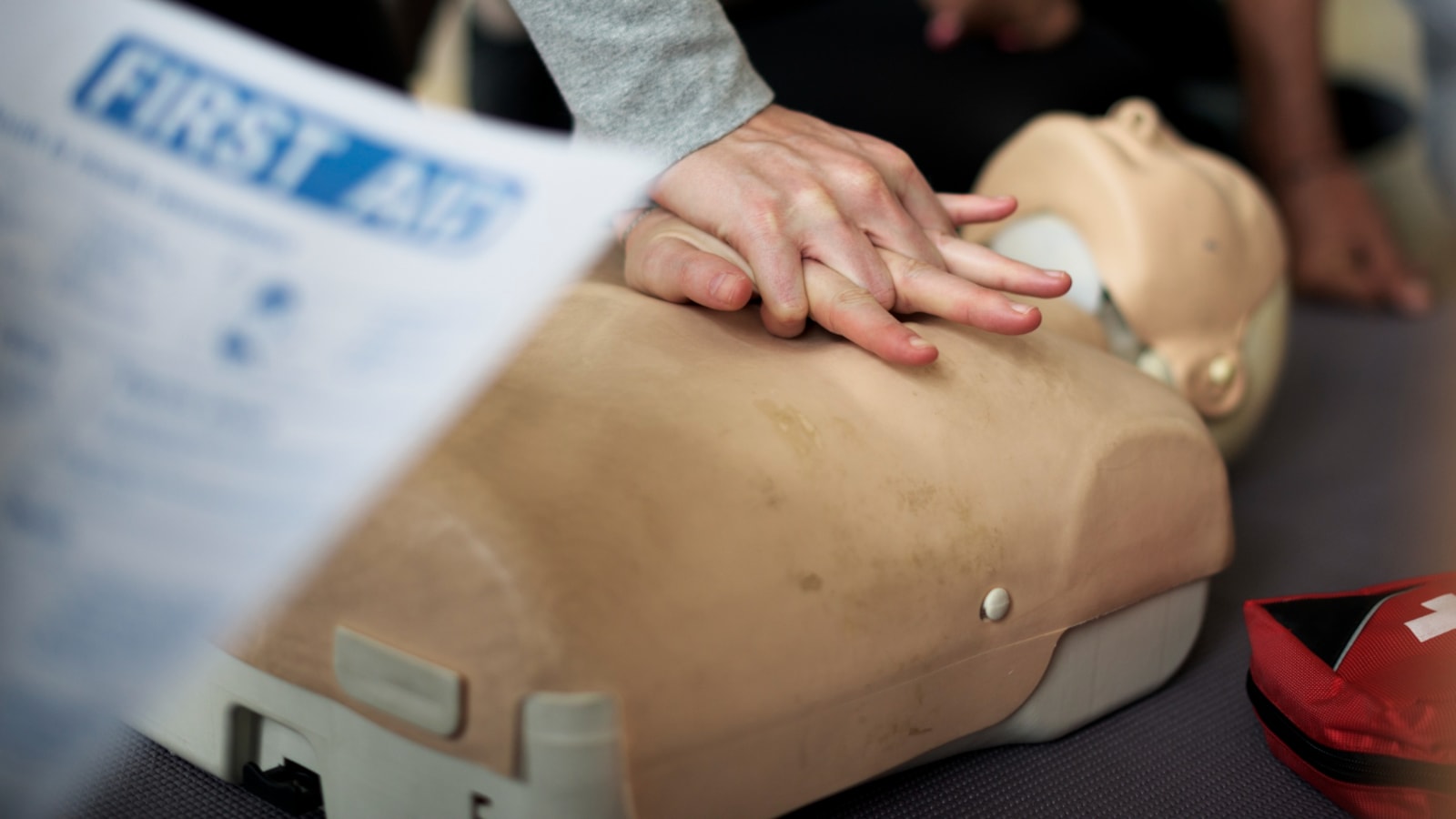
CPR means pushing on the chest to help move blood around the body.
If someone is unresponsive and not breathing normally, call emergency services and start CPR promptly.
A bystander can do chest compressions, even without giving breaths.
An AED can also help assess the heart and may advise a shock.
CPR can buy time for medical treatment, but it cannot fix every cause of cardiac arrest.
The articles give different emphasis on how quickly CPR should begin, but agree that people should not wait for an ambulance before acting.

The articles report that actor and filmmaker Nana Patekar died at age 75 after cardiac arrest.
He was found unresponsive at his home in Dona Paula, Goa, and taken to Manipal Hospital.
Doctors attempted CPR for about 45 minutes; one report says he had already flatlined when medical help reached him.
Doctors advise calling emergency services and starting CPR promptly when someone is unresponsive and not breathing normally.
CPR can help maintain blood flow until further treatment, but it may not restart the heart or save every person.
- Who
- Actor and filmmaker Nana Patekar; doctors at Manipal Hospital attempted to revive him.
- What
- The articles report that Patekar died after cardiac arrest despite about 45 minutes of CPR.
- When
- He was declared dead at 5:20 am; the articles do not specify the date.
- Where
- He was found at his home in Dona Paula, Goa, and taken to Manipal Hospital.
- Why
- The articles report cardiac arrest as the cause; one says doctors reported he had already flatlined when medical help arrived.
Emphasis on immediate CPR
Guidance without a fixed cutoff
How quickly CPR should begin
Emphasis on immediate CPR
One cardiologist says bystander CPR should begin within the first two minutes and reports that doing so can increase survival chances by around 40 per cent.
Guidance without a fixed cutoff
Other doctors advise starting promptly when a person is unresponsive and not breathing normally, without defining a two-minute cutoff.
How long CPR should continue
Emphasis on immediate CPR
One report stresses that survival chances decline with each passing minute and highlights early bystander action.
Guidance without a fixed cutoff
Another cardiologist says there is no universal fixed duration; CPR generally continues until signs of life, trained responders, an AED pause, rescuer inability, or danger.
CPR and the 45-minute attempt
Emphasis on immediate CPR
One doctor says correctly performed CPR for 45 minutes is extremely rare outside trained teams rotating every three to five minutes.
Guidance without a fixed cutoff
The reports describe the hospital team's attempt as continuous CPR for almost 45 minutes, without specifying whether rescuers rotated.
- Age
- 75
- Reported cause
- Cardiac arrest
- CPR duration
- About 45 minutes
- Time declared dead
- 5:20 am
- Home location
- Dona Paula, Goa
- Hospital
- Manipal Hospital
- CPR guidance
- Call emergency services and begin promptly if a person is unresponsive and not breathing normally; continue until signs of life, trained responders, an AED instruction to pause, inability to continue, or an unsafe scene.