Archive · 8 Oct 2026
Francis Halzen Wins 2026 Physics Nobel for IceCube Neutrino Discovery

Francis Halzen won the 2026 Nobel Prize in Physics for helping create IceCube and detect cosmic neutrinos.
Neutrinos are tiny particles that usually pass through things without leaving a sign.
Some come from powerful events far away in space.
Halzen proposed using ice at the South Pole to look for them.
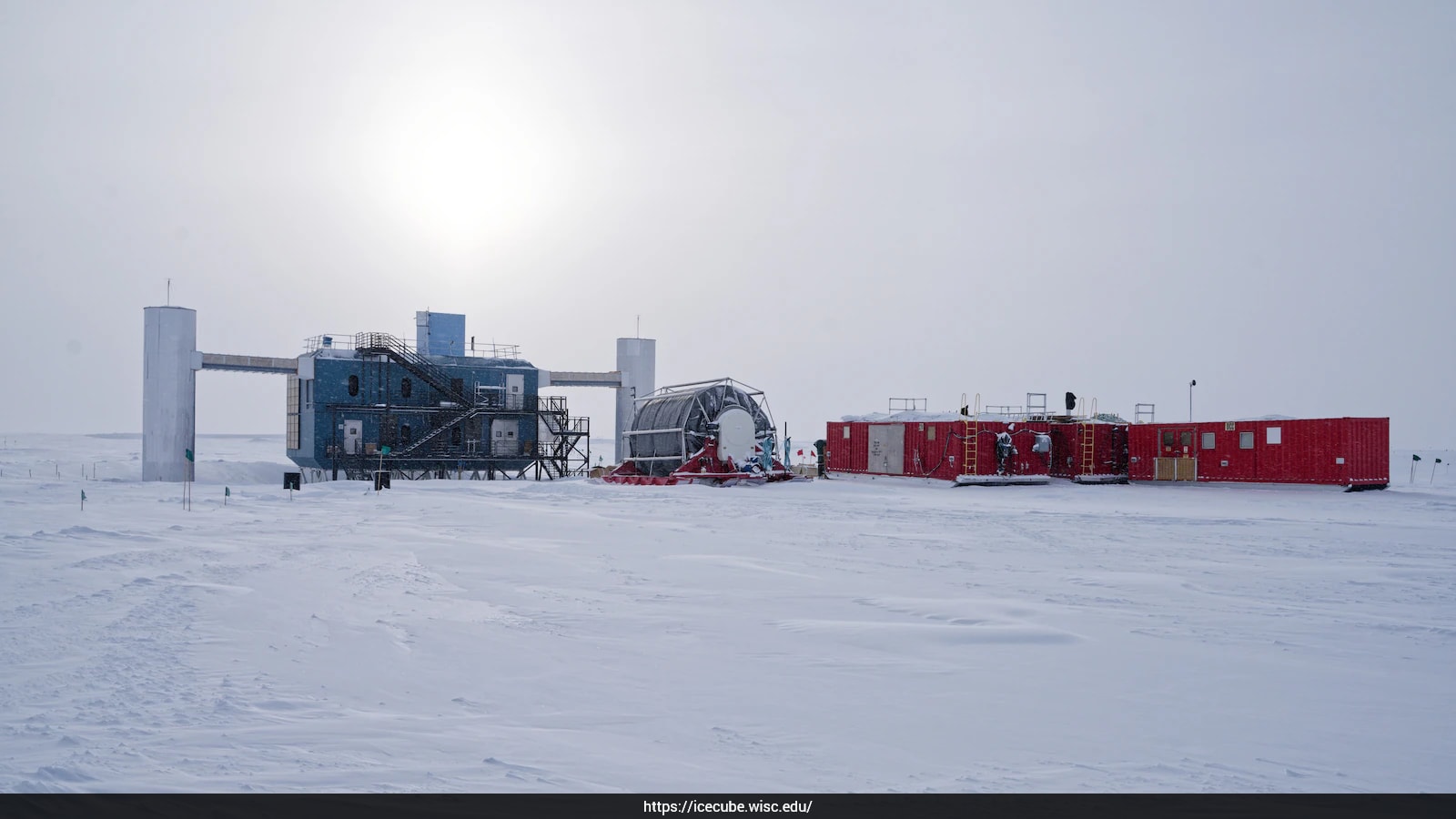
IceCube has thousands of sensors buried in about one cubic kilometre of ice.
When a neutrino rarely bumps into matter, it can make a tiny flash of light.
The sensors record the flash, helping scientists work out where the neutrino came from.
This lets scientists study the universe in a way that does not rely only on light.
IceCube is being upgraded, and researchers are considering building a larger detector.

Francis Halzen received the 2026 Nobel Prize in Physics for contributions to IceCube and the discovery of high-energy neutrinos from astrophysical sources.
The Royal Swedish Academy of Sciences announced the award on October 6, 2026.
IceCube uses thousands of optical sensors in about one cubic kilometre of Antarctic ice near the South Pole to detect flashes from neutrino interactions.
Halzen proposed using South Pole ice to detect neutrinos in 1988; IceCube was completed in 2011.
The prize is worth 12 million Swedish kronor, and reporting describes ongoing upgrades and a possible larger IceCube-Gen2 detector.
- Who
- Francis Halzen, a Belgian-American physicist and University of Wisconsin–Madison professor.
- What
- He won the 2026 Nobel Prize in Physics for decisive contributions to the IceCube Neutrino Observatory and the discovery of high-energy neutrinos of astrophysical origin.
- When
- The award was announced on October 6, 2026.
- Where
- IceCube is embedded in Antarctic ice near the South Pole.
- Why
- His vision and scientific leadership helped establish IceCube as a detector for high-energy neutrinos from distant astrophysical sources.
Detection challenges
Scientific potential
Detecting neutrinos
Detection challenges
Neutrinos interact only very weakly with matter, so most pass through Earth and the detector without leaving a trace.
Scientific potential
Rare flashes recorded by IceCube's sensors can reveal neutrinos' paths and help researchers investigate their cosmic sources.
IceCube's future
Detection challenges
The articles describe IceCube as a detector of about one cubic kilometre, and IceCube-Gen2 remains a possibility under consideration.
Scientific potential
An upgrade installed during 2025 and 2026 is intended to improve sensitivity and directional accuracy; a larger future detector could expand the search.
- Laureate
- Francis Halzen
- Award
- 2026 Nobel Prize in Physics
- Announcing institution
- Royal Swedish Academy of Sciences
- Announcement date
- October 6, 2026
- Recognized work
- Contributions to the IceCube Neutrino Observatory and discovery of high-energy neutrinos of astrophysical origin
- IceCube scale
- About one cubic kilometre of Antarctic ice, equipped with thousands of optical sensors
- Key dates
- Halzen proposed the South Pole detection idea in 1988; IceCube was completed in 2011
- Prize amount
- 12 million Swedish kronor
Sources
Francis Halzen, neutrinos and the new window on the universe
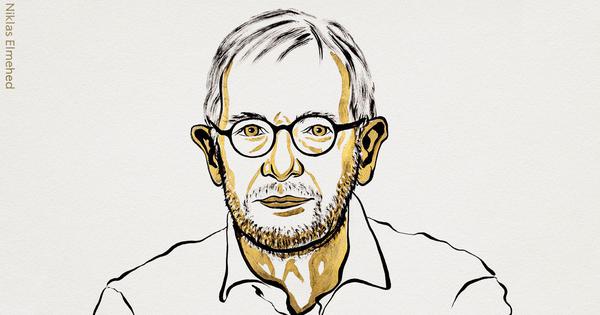
Francis Halzen awarded physics Nobel for discovery of high-energy neutrinos of astrophysical origin
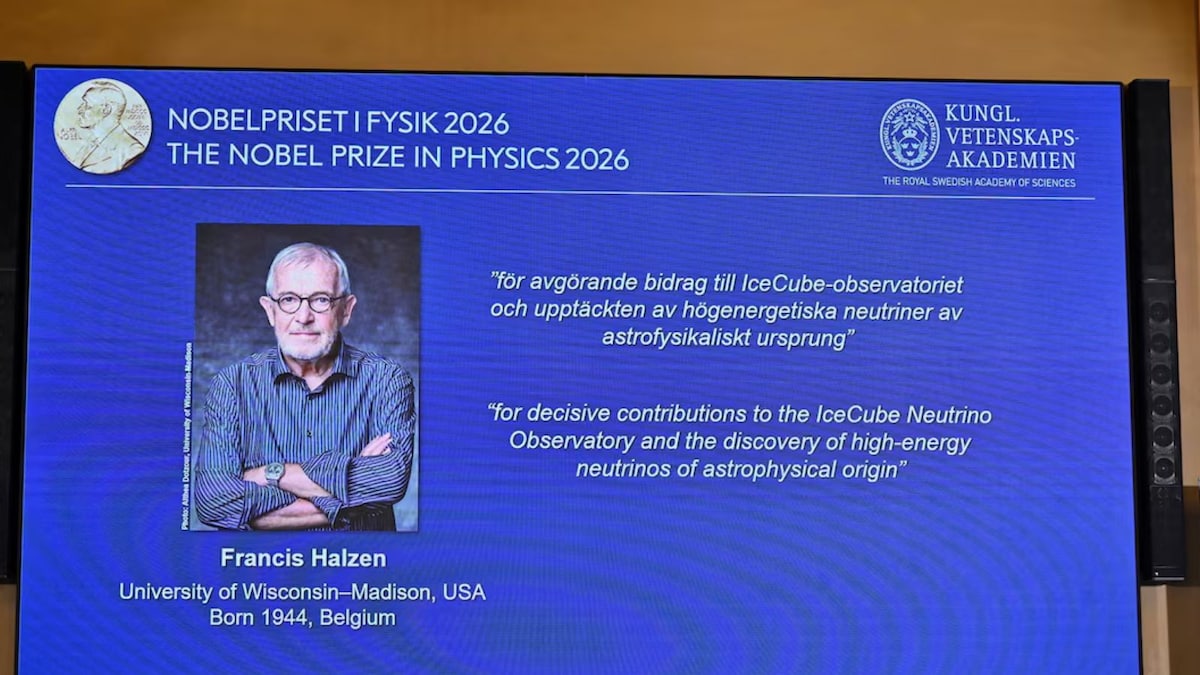
Francis Halzen wins 2026 Nobel Prize in Physics for IceCube neutrino discovery
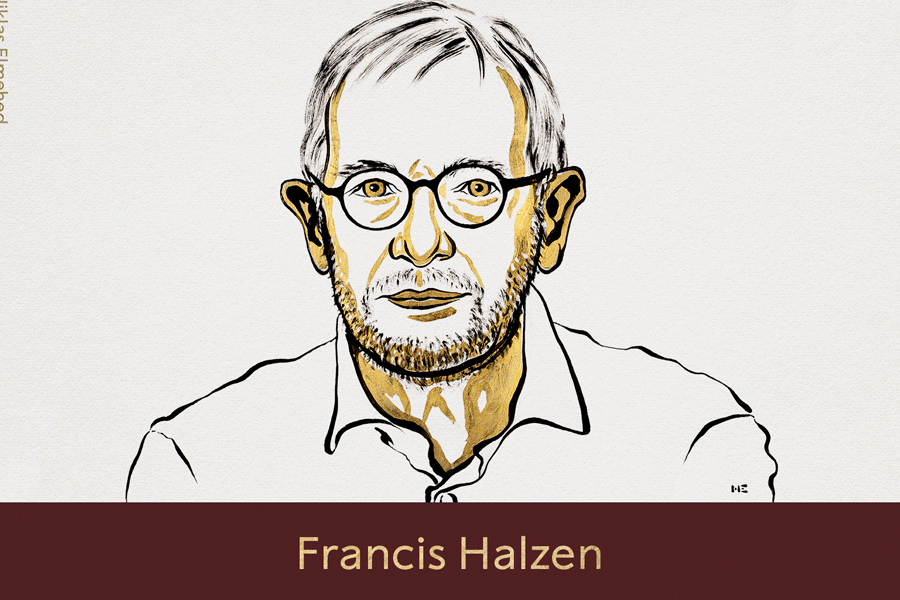
Francis Halzen wins 2026 Nobel Prize in Physics for IceCube neutrino discovery - Telegraph India
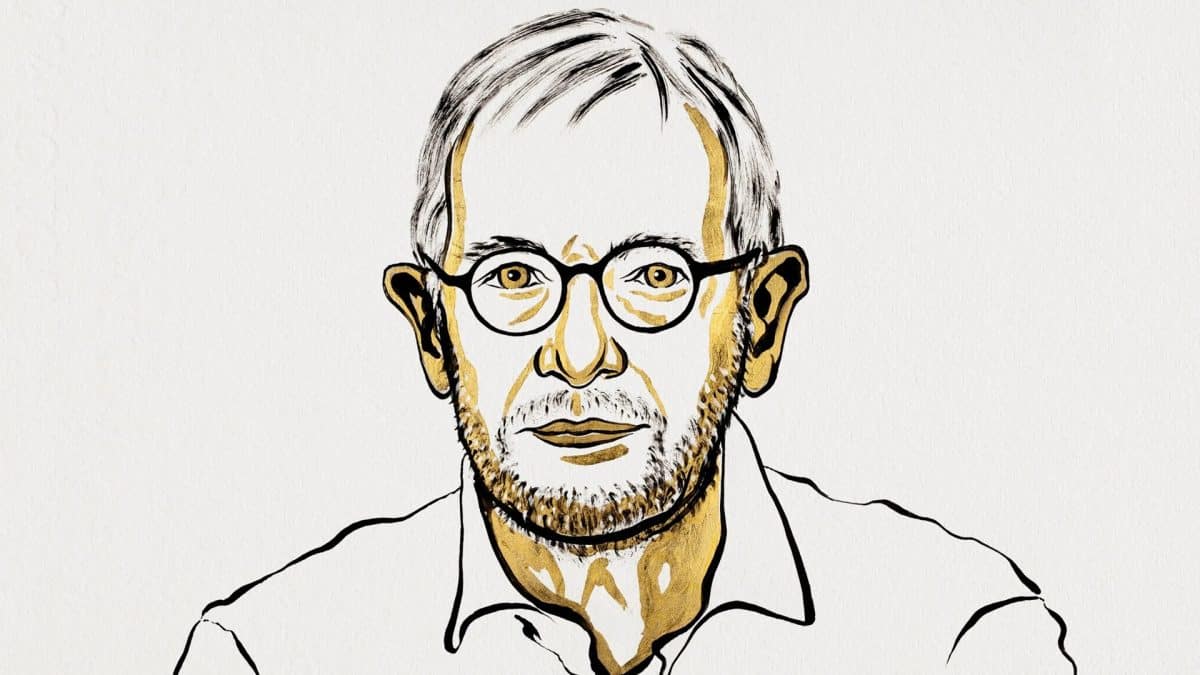
Nobel Prize in Physics 2026 awarded to Francis Halzen for detecting cosmic neutrinos