Archive · 10 Jan 2026
Thyroid's Role in Fat Loss Struggles

Thyroid Awareness Month highlights how thyroid health affects weight loss.
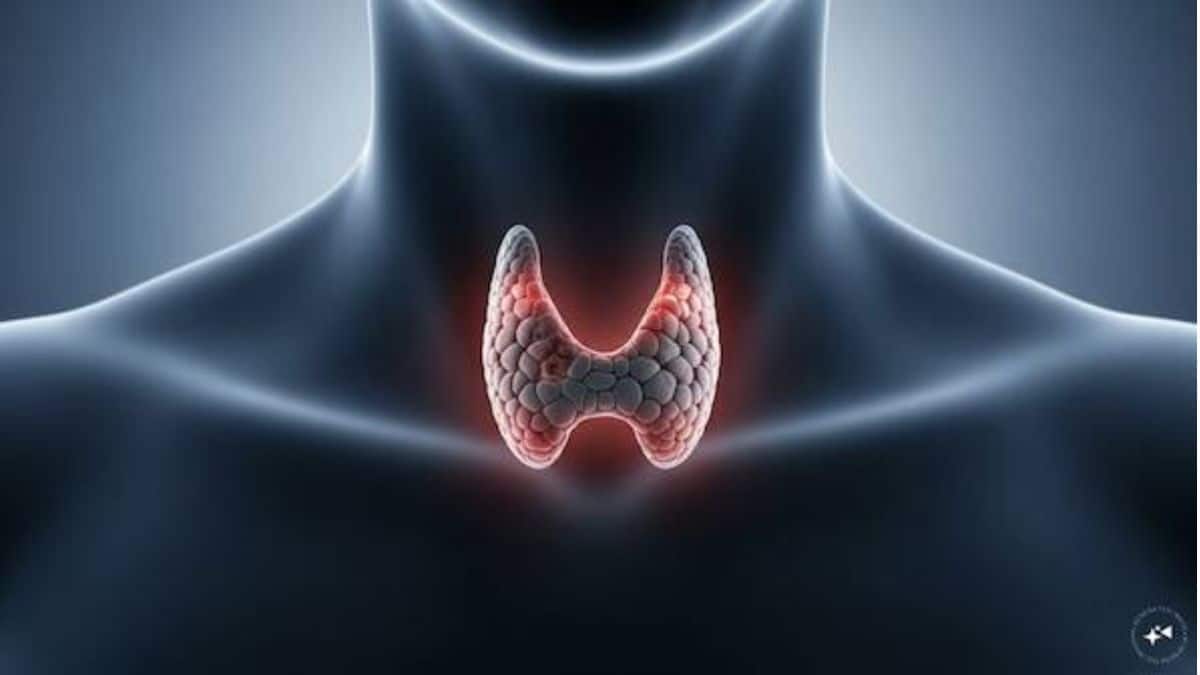
The thyroid gland produces hormones that control metabolism.
When these hormones are out of balance, especially in hypothyroidism, the body burns fewer calories, stores more fat, and feels more tired.
This makes losing weight harder, even with diet and exercise.
Extreme diets can make the problem worse by slowing down metabolism.
Stress and poor sleep also affect thyroid function.
Medication can help, but lifestyle changes like strength training, eating enough protein, and managing stress are important for sustainable weight loss.

Thyroid hormones regulate metabolism and fat loss.
Hypothyroidism slows metabolism and promotes fat storage.
Thyroid function affects insulin sensitivity and glucose processing.
Extreme diets can suppress metabolism by slowing T4 to T3 conversion.
Stress and poor sleep disrupt thyroid hormone action and insulin resistance.
- Who
- Individuals struggling with weight loss, particularly those with hypothyroidism
- What
- The impact of thyroid function on metabolism and fat loss
- When
- January, Thyroid Awareness Month
- Where
- General health context, applicable worldwide
- Why
- To understand the biological factors affecting weight loss and the role of thyroid health
- Thyroid Function
- Regulates metabolism through hormones T3 and T4
- Hypothyroidism
- Low thyroid function leading to energy conservation and fat storage
- Insulin Sensitivity
- Thyroid function affects insulin resistance and glucose processing
- Dieting Impact
- Extreme diets can suppress metabolism by slowing T4 to T3 conversion
- Stress and Sleep
- Chronic stress and poor sleep disrupt thyroid hormone action and insulin resistance
- Treatment
- Medication is essential for hypothyroidism but must be combined with lifestyle changes
- Sustainable Changes
- Strength training, adequate protein, and balanced meals support fat loss