

Archive · 2 Jul 2025
India's Dengue Vaccine Trial Reaches 50% Enrollment
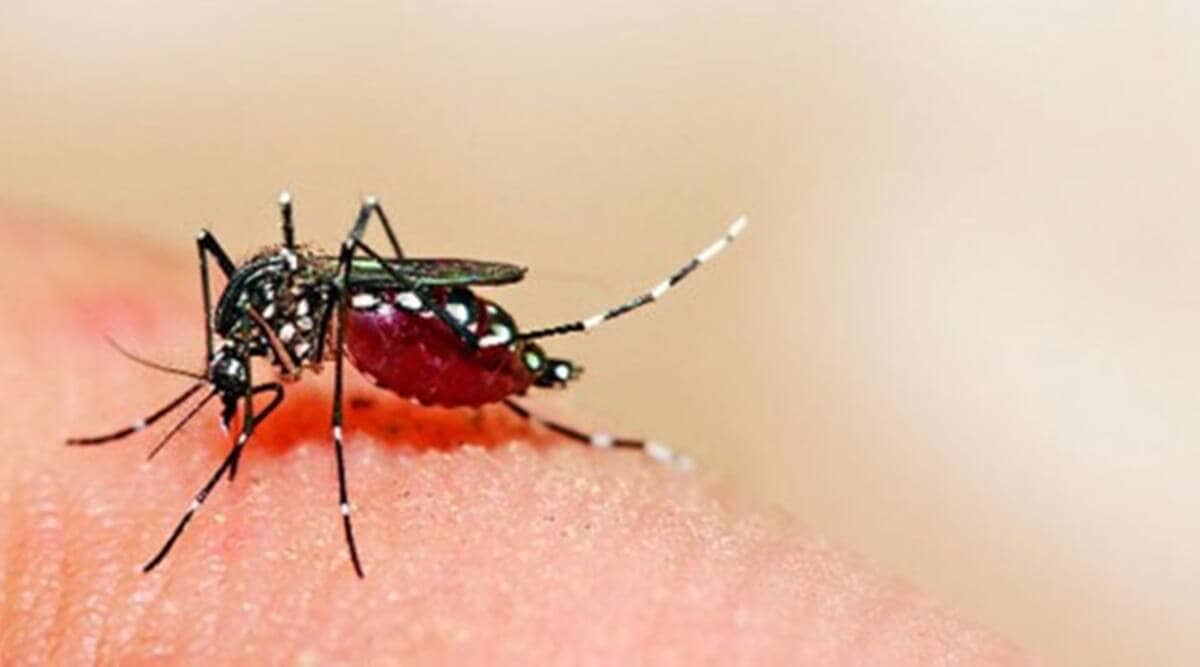
Imagine a mosquito bite that gives you a really bad flu, called dengue.
Scientists in India are testing a new shot called DengiAll to protect people.
Over 7,000 adults are participating in the trial across India to see how well it works.
The shot is designed to fight against all kinds of the dengue virus.
So far, it seems safe.
The trial will follow these people for two years to see if the vaccine keeps them from getting sick.
If the vaccine works well, it could help stop many people from getting dengue fever.

India's Phase 3 dengue vaccine trial has enrolled 50% of its participants.
The vaccine, DengiAll, is developed by Panacea Biotec Limited and targets all four dengue virus subtypes.
Over 7,000 participants have been randomized across 20 trial sites in India.
Initial data shows no safety concerns with the one-shot vaccine.
The trial aims to enroll 10,355 volunteers aged 18-60 and conclude enrollment by October.
- Who
- Volunteers aged 18-60 years old are participating in the trial.
- What
- A phase 3 clinical trial for the dengue vaccine, DengiAll.
- When
- Enrolment is expected to conclude by October, with follow-ups completed in the last quarter of 2027.
- Where
- 20 trial sites across India, including Chennai, Pune, and others.
- Why
- To evaluate the efficacy, immunogenicity, and safety of the DengiAll vaccine against dengue fever.
Current Dengue Concerns
Vaccine Benefits
Current dengue impact and treatment difficulties
Current Dengue Concerns
Dengue is a significant global health threat, with India accounting for a large fraction of global cases, and outbreaks coinciding with the monsoon season.
Vaccine Benefits
Prevention methods focus on mosquito control which is difficult in densely populated areas.
- Vaccine Name
- DengiAll
- Trial Phase
- Phase 3
- Participants Enrolled
- Over 7,000
- Age Group
- 18-60 years
- Trial Sites
- 20 across India
- Developer
- Panacea Biotec Limited
- Coordination
- ICMR
- Target
- All four dengue virus subtypes