Archive · 1 Feb 2026
Chandigarh Sees Third Highest January Rainfall in 14 Years
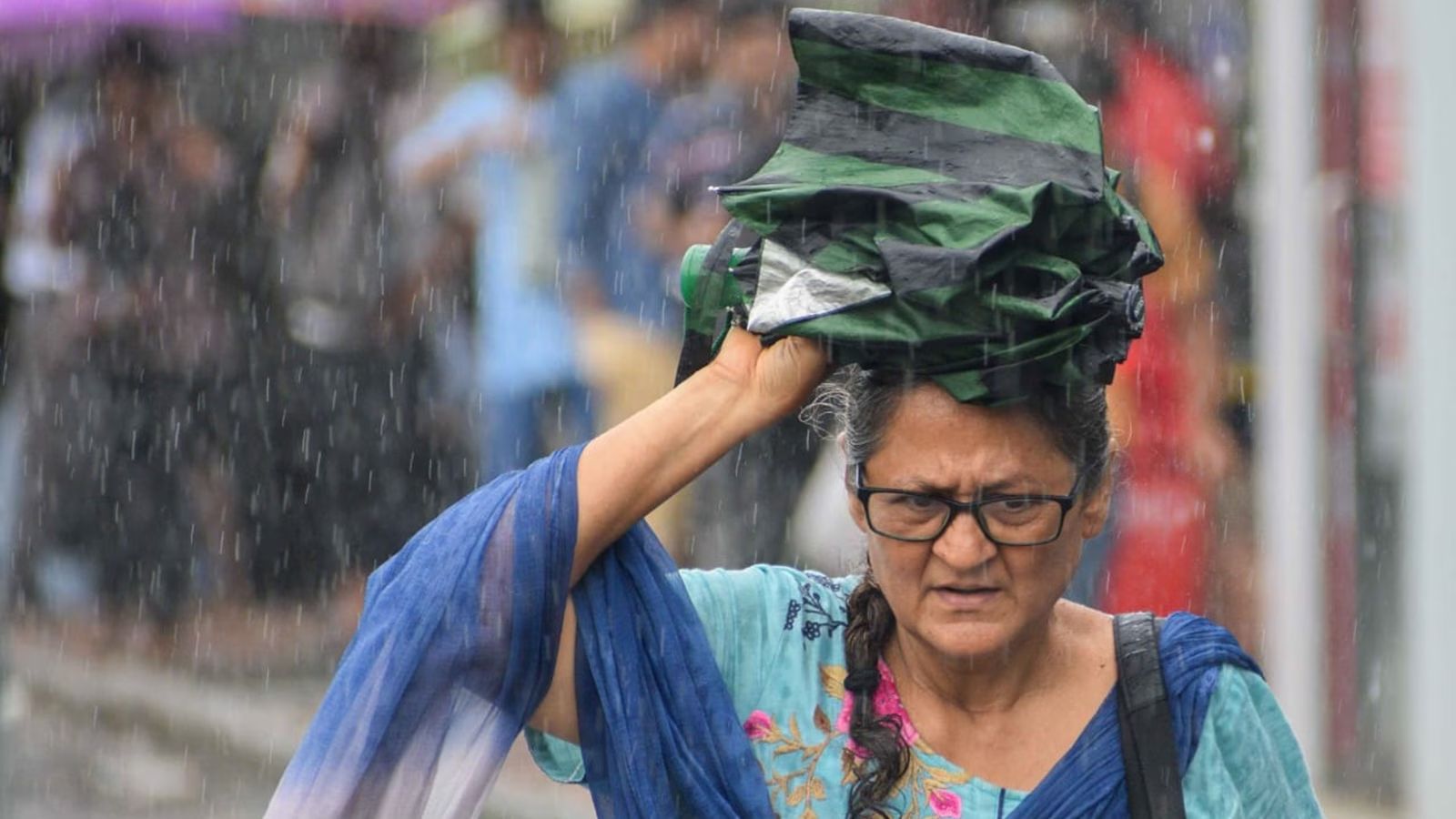
Chandigarh had a very wet January in 2026.
It rained a lot more than usual, making it the third wettest January in the last 14 years.
Normally, Chandigarh gets about 37.6 mm of rain in January, but this year it got 63.6 mm, which is 69% more.
Only two other years, 2022 and 2017, had more rain in January.
The India Meteorological Department (IMD) shared this information in their weather report.
This shows that January 2026 was much wetter than recent winters, like 2024 and 2025, which were drier.
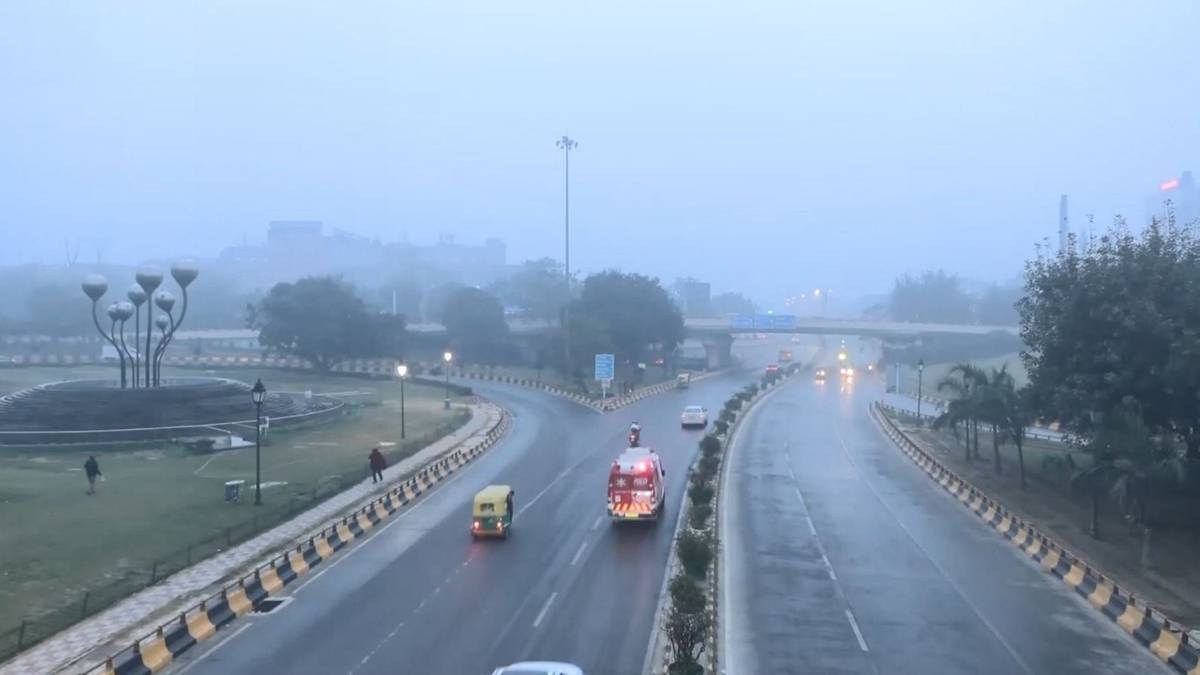
Delhi-NCR also experienced significant rainfall, with 25.3 mm recorded, making it the wettest January in four years.
The capital had 32.4% excess rainfall this month, with the previous spell occurring last Friday and Saturday.
The all-time January high for Delhi-NCR was 173.2 mm in 1885.

Chandigarh recorded 63.6 mm of rainfall in January 2026, which is 69% more than the normal rainfall for the month.
This makes January 2026 the third wettest January in the last 14 years in Chandigarh.
Only January 2022 (207.7 mm) and January 2017 (137.0 mm) had higher rainfall in the past 14 years in Chandigarh.
The normal rainfall for January in Chandigarh is 37.6 mm.
Delhi-NCR recorded 25.3 mm of rainfall in January 2026, making it the wettest January in four years with 32.4% excess rainfall.
- Who
- India Meteorological Department (IMD), Meteorological Centre, Chandigarh
- What
- Chandigarh recorded 63.6 mm of rainfall in January 2026, which is 69% more than the normal rainfall for the month. Delhi-NCR recorded 25.3 mm of rainfall, making it the wettest January in four years.
- When
- January 2026
- Where
- Chandigarh and Delhi-NCR, India
- Why
- The IMD released a monthly weather report highlighting the significant excess rainfall in January 2026.
Climate Change Impact
Natural Weather Variation
Cause of Increased Rainfall
Climate Change Impact
Some scientists attribute the increased rainfall to climate change, which can lead to more intense and frequent weather events.
Natural Weather Variation
Others argue that this is part of natural weather variability and not necessarily a direct result of climate change.
- Rainfall in January 2026 (Chandigarh)
- 63.6 mm
- Normal January Rainfall (Chandigarh)
- 37.6 mm
- Excess Rainfall Percentage (Chandigarh)
- 69%
- Third Highest January Rainfall Since (Chandigarh)
- 2013
- Highest January Rainfall in 2022 (Chandigarh)
- 207.7 mm
- Second Highest January Rainfall in 2017 (Chandigarh)
- 137.0 mm
- Rainfall in January 2026 (Delhi-NCR)
- 25.3 mm
- Excess Rainfall Percentage (Delhi-NCR)
- 32.4%
- All-time January High (Delhi-NCR)
- 173.2 mm (1885)
Sources
Chandigarh’s January rainfall third highest in 14 years, 69% excess precipitation
Tricity braces for rains, thunderstorms on first day of February

Delhi-NCR Braces for Thunderstorms and Rain as Weekend Storm Looms