

Archive · 30 Sep 2025
New Study Challenges Theory on Himalayan Support
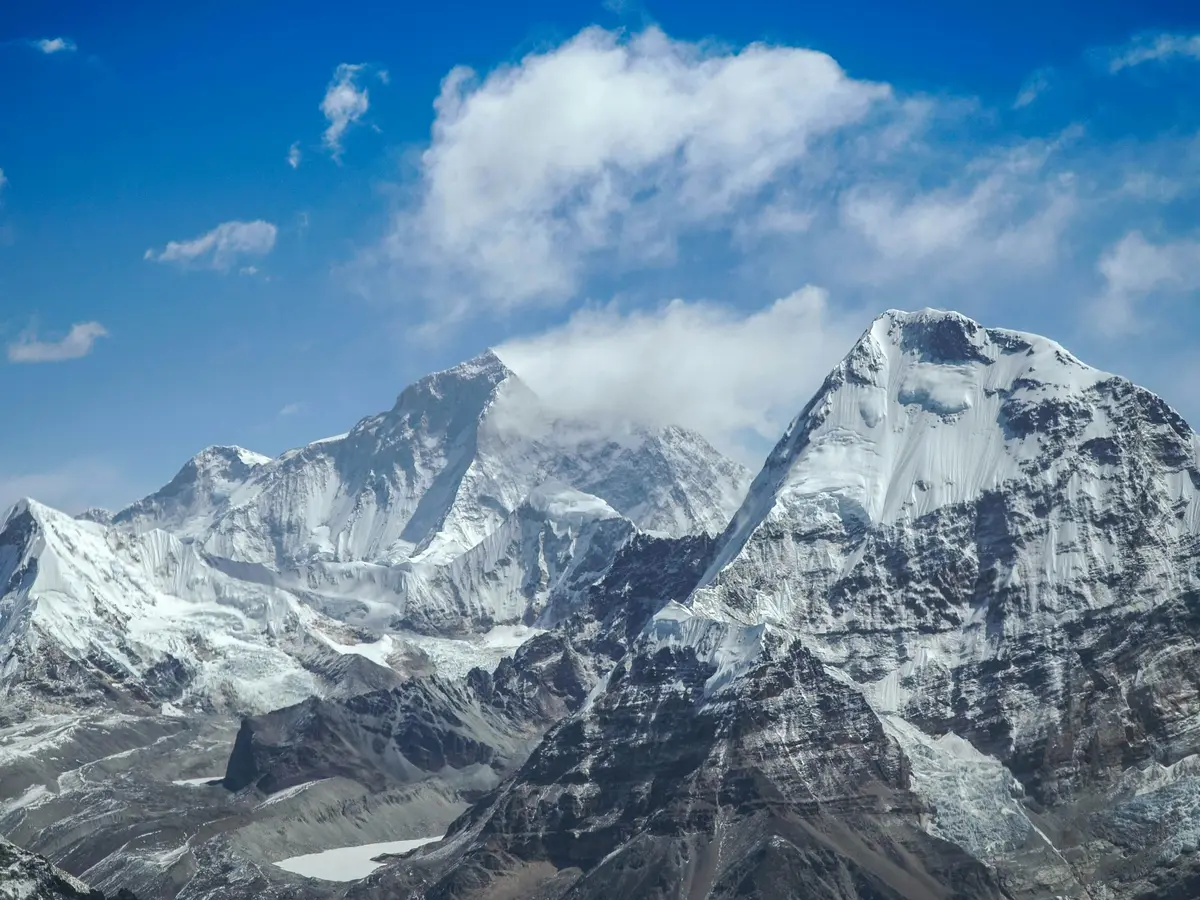
Scientists have long believed that the Himalayas, the world's tallest mountain range, were supported by a thick layer of Earth's crust.
However, a new study challenges this idea.
The new research suggests that mantle blobs, a layer of denser material, rise from deep inside the Earth and support the mountains.
These blobs attach to the bottom of the crust, acting as a rigid support system, allowing the Himalayas to stay tall and preventing the crust from becoming molten and unstable.

The Himalayas formed approximately 50 million years ago due to continental collision.
The traditional theory suggested a thickened crust supported the mountains.
A new study proposes that mantle blobs beneath the crust support the Himalayas.
The research team simulated the collision of the Asian and Indian continents.
The study appeared in the journal Tectonics.
- Who
- Scientists led by Pietro Sternai
- What
- A new study questions the old theory on what supports the Himalayas
- When
- Published on August 26
- Where
- Himalayas, Asia
- Why
- To determine the mechanisms that maintain the height of the Himalayas
Previous Theory
New Research Findings
Support System
Previous Theory
Thickened Earth's crust provides support.
New Research Findings
Mantle blobs are the main support system.
- Mountain Range
- Himalayas
- Formation
- 50 million years ago
- Old Theory
- Thickened crust supporting mountains
- New Theory
- Mantle blobs support the Himalayas
- Crust Depth (Old Theory)
- 70-80 km
- Published in
- Tectonics Journal