Archive · 14 Sep 2025
India's Urban Challenges: Inequality and Infrastructure Gaps
Imagine Indian cities as places trying to improve life for everyone.
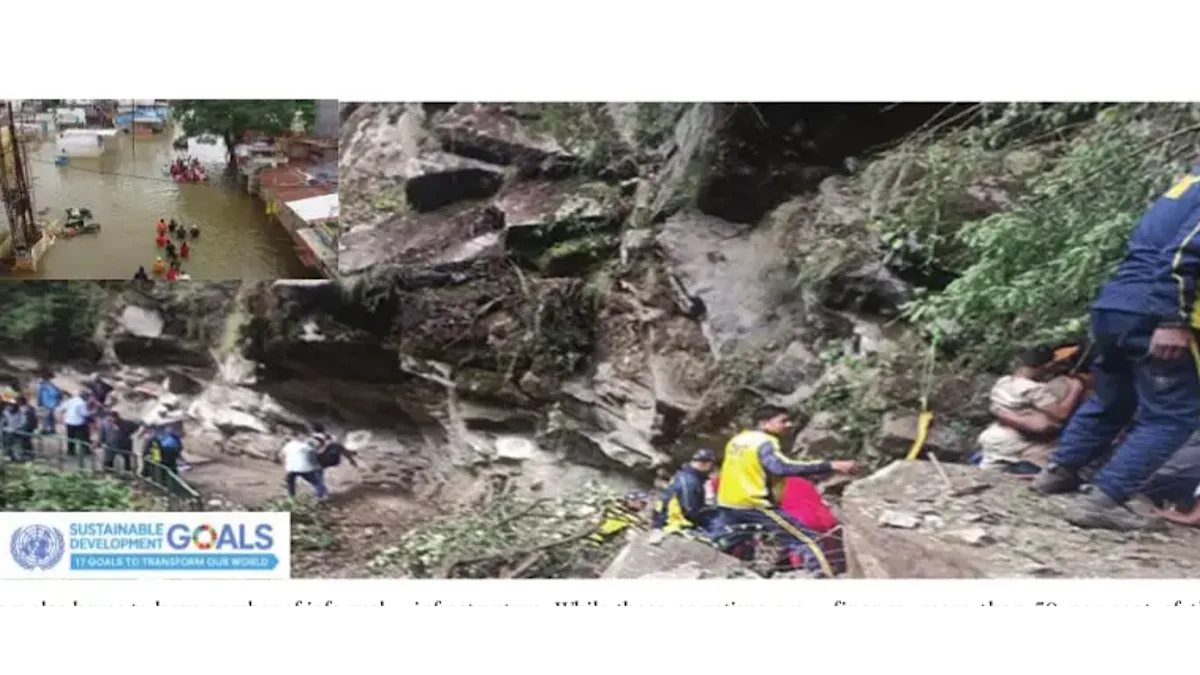
While the country is doing better in some areas, cities still face big problems.
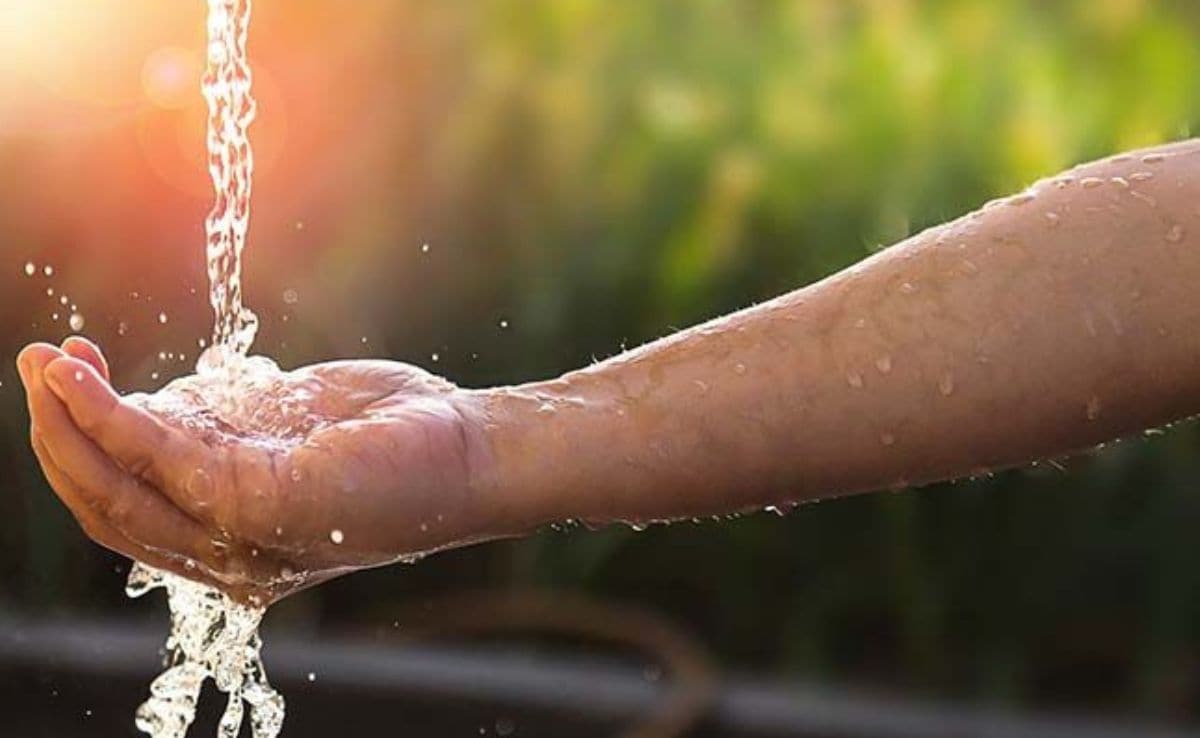
Many people in cities don't have good access to clean water or affordable housing, especially those living in slums.
The report shows that progress has been slow in providing clean water, and other basic services.
Even with programs aimed at helping, there are still challenges, like not enough money or cities not listening to the people who live there.
To fix this, the government and cities need to work together, make sure everyone gets what they need, and plan better to improve the lives of those in the cities.

India ranks 99th in the 2025 Sustainable Development Report, with SDG 11 a major challenge.
Only about 65% of urban households had access to improved piped water in 2022.
Slums receive far less water per person than the government's standard.
Many slum households live in inadequate housing, which contributes to social and spatial inequalities.
Financially weak cities struggle to fund essential services and attract investment.
- Who
- India, the Government, and urban residents
- What
- Challenges faced by Indian cities in achieving Sustainable Development Goals (SDGs), particularly SDG 11, focusing on urban inequality and infrastructure.
- When
- Report data up to 2025, but based on data from 2019, 2020, 2022, and 2024.
- Where
- Urban India, specifically highlighting Mumbai and other cities.
- Why
- To highlight inequalities in access to urban services like water and housing, and the challenges in achieving SDG 11.
- India's SDR 2025 Rank
- 99th out of 167 countries
- SDG 11 Focus
- Inclusive, safe, resilient, and sustainable cities
- Urban Water Access (2022)
- 65% of households with piped water
- Mumbai Slum Water Access
- 45 lpcd compared to 135 lpcd government norm
- Slum Housing Inadequacy (2020)
- 44% of households live in inadequate housing