

Archive · 28 Jan 2026
Marine Darkwaves Threaten Ocean Ecosystems
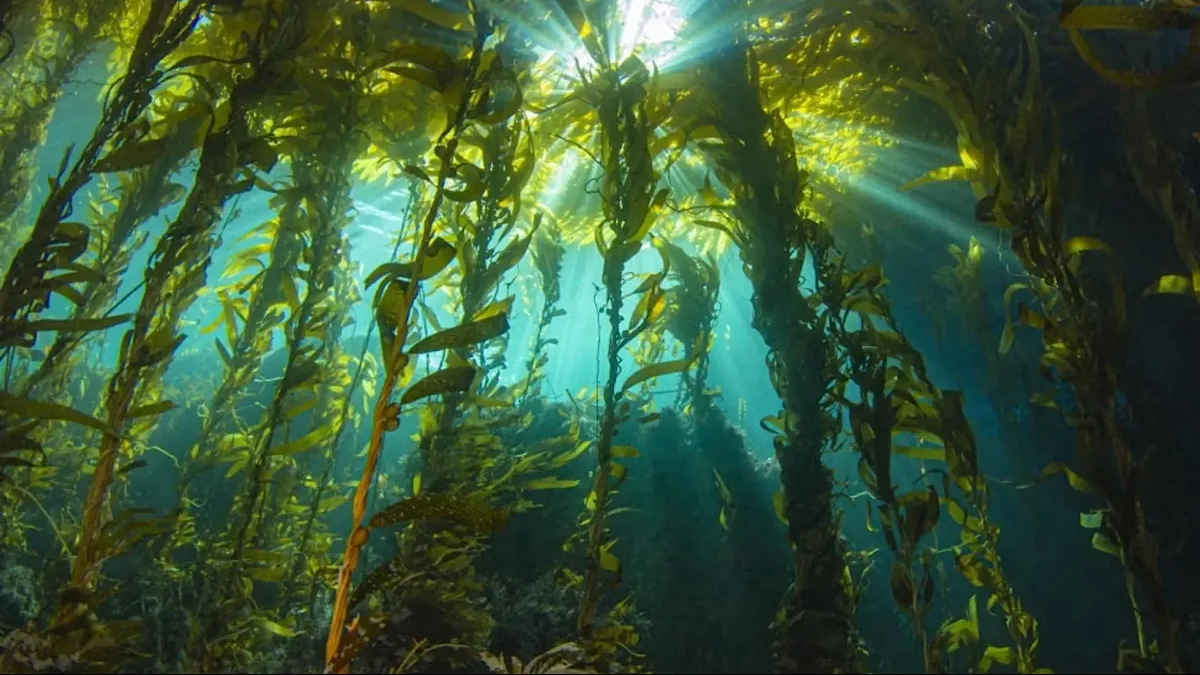
Scientists have discovered something called 'marine darkwaves,' which are sudden periods of darkness in the ocean that can last from days to months.
These darkwaves are caused by things like storms, floods, and sediment.
They can harm marine life by slowing growth, changing behavior, and even causing some plants and animals to die.
Studies have found these darkwaves in places like California and New Zealand.
Climate change might make these events more frequent and intense.
However, there are ways to help, like reducing sediment runoff and restoring wetlands, which can make the water clearer and protect ocean life.

Marine darkwaves are sudden, intense episodes of underwater darkness lasting days to months.
Caused by storms, floods, sediment plumes, and algal blooms, they can severely stress marine ecosystems.
Studies in California and New Zealand show repeated darkwave events, some lasting several weeks.
Climate change is likely to increase the frequency and intensity of these events.
Mitigation strategies include reducing sediment runoff, restoring wetlands, and replanting native forests.
- Who
- Scientists and researchers from the University of Waikato, University of Canterbury, and The University of Western Australia
- What
- Marine darkwaves: sudden, intense episodes of underwater darkness
- When
- Since the early 2000s, with recent studies published
- Where
- Global oceans, with specific studies in California and New Zealand
- Why
- To understand and mitigate the ecological impacts of sudden underwater darkness on marine ecosystems
- Definition
- Sudden, intense episodes of underwater darkness lasting days to months
- Causes
- Storms, floods, sediment plumes, algal blooms
- Impact
- Slowed growth, reduced energy reserves, altered behavior, dieback, mortality
- Study Locations
- California, New Zealand's Hauraki Gulf, East Cape coast
- Duration of Events
- From days to months
- Frequency in New Zealand
- Up to 80 marine darkwaves since 2002
- Climate Change Impact
- Increased frequency and intensity due to heavier rainfall, stronger storms, intensified land use
- Mitigation Strategies
- Reducing sediment runoff, restoring wetlands, stabilizing riverbanks, replanting native forests