Archive · 10 Dec 2025
India's Aditya-L1 aids global solar storm study

India's Aditya-L1 satellite helped scientists study a big solar storm called Gannon’s storm.
This storm was caused by huge explosions on the Sun, called coronal mass ejections (CMEs).
These CMEs are like bubbles of hot gas and magnetic energy.
When they hit Earth, they can cause problems for satellites and power grids.
Scientists found something unusual about this storm: the magnetic fields inside it were breaking and rejoining, making the storm stronger.
Aditya-L1 worked with other satellites to study this from different places in space.
This helps us understand and predict big solar storms better.
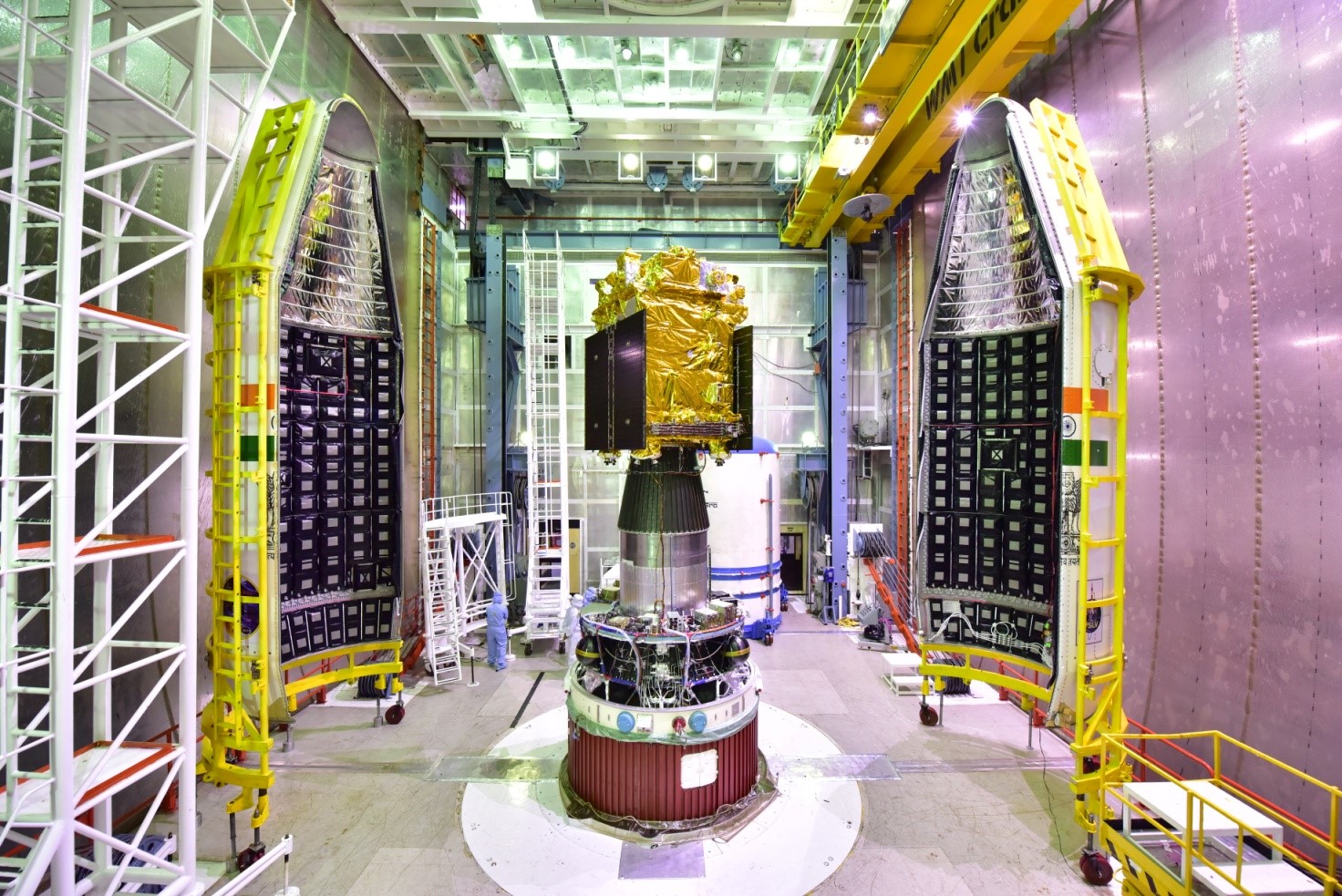
Aditya-L1 is India's first satellite to study the Sun, launched in 2023.

Aditya-L1 collaborated with six US satellites, including NASA’s Wind, to study the May 2024 solar storm.
The storm, called Gannon’s storm, involved multiple coronal mass ejections (CMEs) from the Sun.
Scientists discovered unusual magnetic field behavior where lines snapped and rejoined, a process called magnetic reconnection.
The magnetic reconnection region was enormous, about 1.3 million km across, nearly 100 times Earth's size.
This study enhances understanding of solar storms and their impact on Earth, showcasing India's leadership in space science.
- Who
- Indian scientists and international collaborators
- What
- Study of the strongest solar storm in over two decades
- When
- May 2024 (storm), December 9, 2024 (study published)
- Where
- Space (near Earth and Sun), study published in Astrophysical Journal Letters
- Why
- To understand the unusual behavior of the solar storm and its impact on Earth
- Storm Name
- Gannon’s storm
- Event Type
- Coronal Mass Ejections (CMEs)
- Study Journal
- Astrophysical Journal Letters
- Magnetic Reconnection Size
- 1.3 million km (100x Earth's size)
- Aditya-L1 Launch Date
- September 2023
- Collaborating Satellites
- NASA’s Wind and five others
- Storm Date
- May 2024