

Archive · 22 Dec 2025
Ancient Pottery Reveals Early Mathematical Knowledge
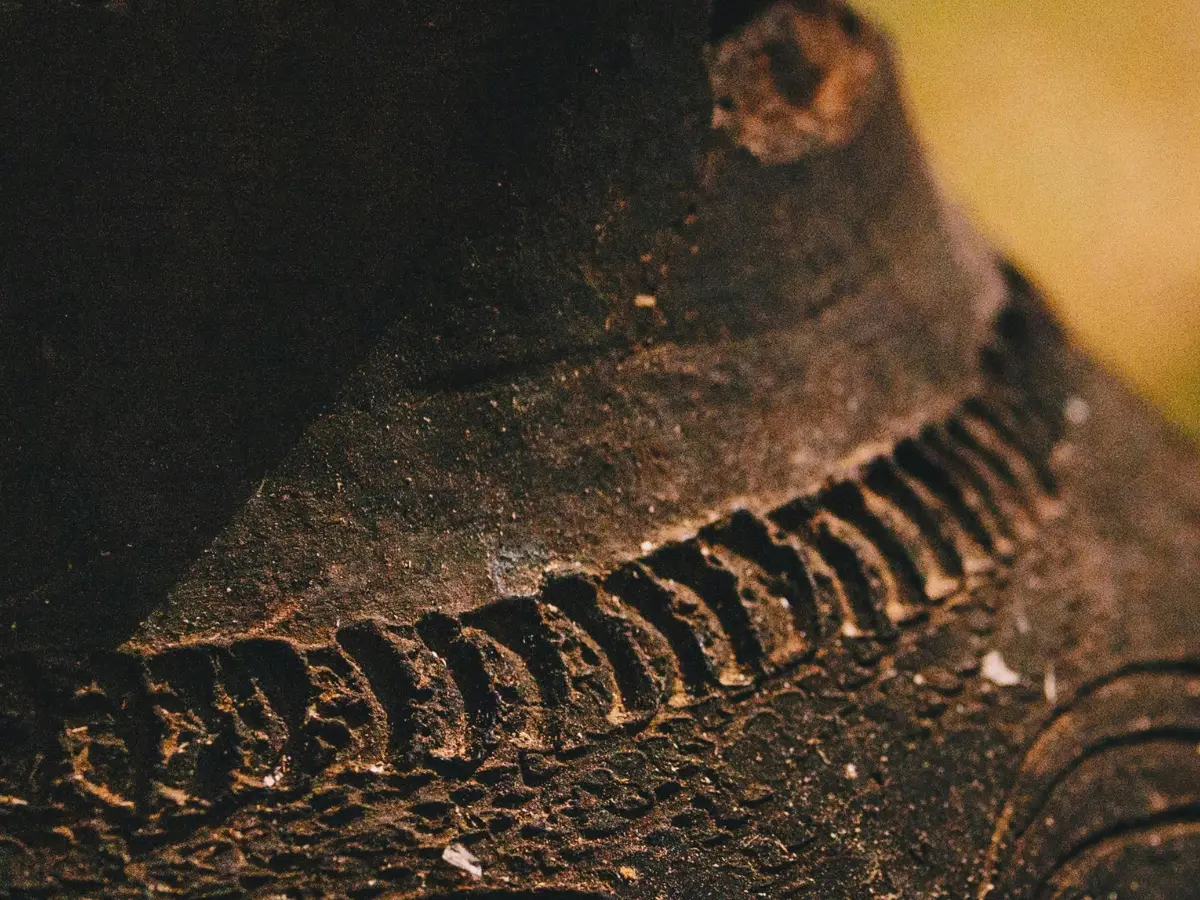
Scientists found old pottery from a long time ago, about 8,200 years.
The people who made it, called the Halafians, painted flower patterns that show they knew math.
They used shapes and patterns to divide things evenly, even though they didn't have numbers yet.
The patterns on the pottery show numbers like 4, 8, 16, 32, and 64.
This means they were using math in their daily lives, like sharing food or land.
The researchers think this shows that people were using math long before they started writing it down.

Halafian culture used mathematical concepts in floral patterns on pottery.
Patterns followed a geometric sequence: 4, 8, 16, 32, and 64.
Mathematical concepts were used before the invention of formal numbers.
Researchers found 700 pottery fragments with these patterns.
Study published in the Journal of World Prehistory.
- Who
- Halafian culture of northern Mesopotamia
- What
- Used mathematical concepts in floral patterns on pottery
- When
- 6200 to 5500 BCE (8,200 to 7,500 years ago)
- Where
- Northern Mesopotamia
- Why
- To visualize divisions, sequences, and balance in daily life
- Culture
- Halafian
- Location
- Northern Mesopotamia
- Time Period
- 6200 to 5500 BCE
- Mathematical Concepts
- Geometry, Symmetry, Spatial Long Division
- Study Journal
- Journal of World Prehistory
- Researchers
- Yosef Garfinkel, Sarah Krulwich
- Number of Artifacts
- 700
- Geometric Sequence
- 4, 8, 16, 32, 64