

Archive · 26 Jul 2026
Elon Musk Predicts AI Will Reshape Global Economy by 2036
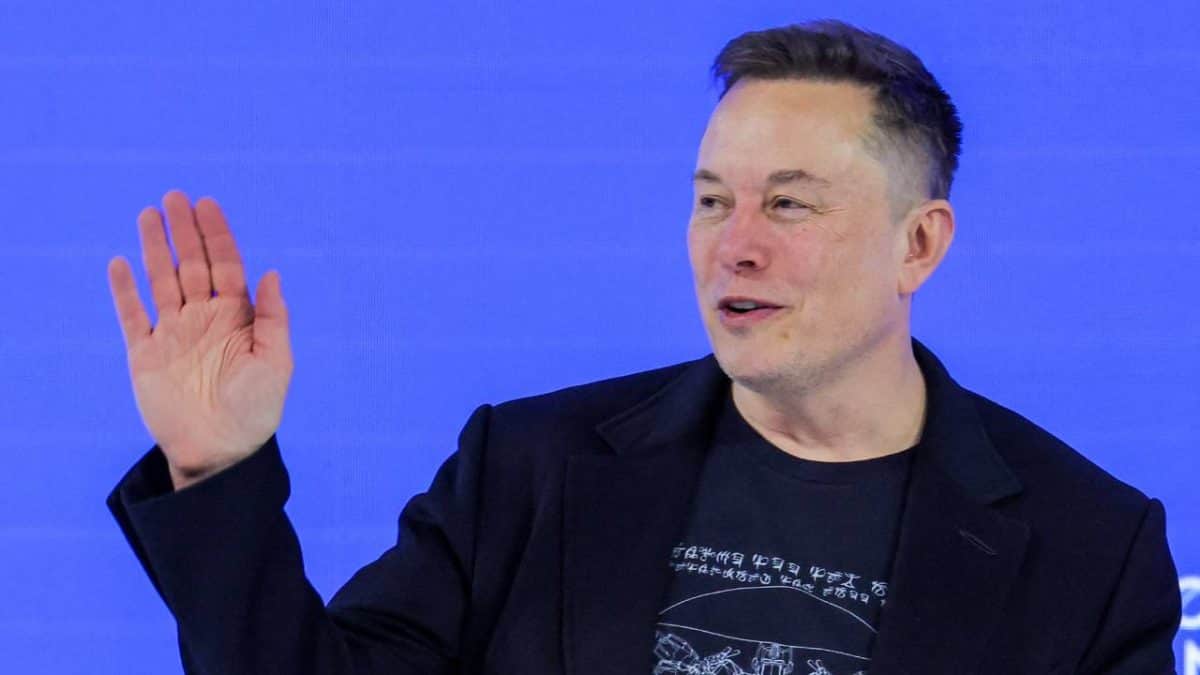
Elon Musk, the CEO of Tesla and SpaceX, thinks that artificial intelligence (AI) and robots will change the world's economy a lot by the year 2036.
He believes that AI will make so many goods and services that money won't be as important anymore.
Musk talked about this with Zanny Minton Beddoes, the editor-in-chief of The Economist.
She was worried about how people will adjust to this new world, especially with job losses and money problems.
Musk suggested that governments could give people money directly to help.
He also thinks that printing more money won't cause inflation because AI will make so many things.
Beddoes was skeptical about how society will handle these changes.
Musk admitted that he sometimes feels excited and other times scared about AI's future.
He thinks AI will keep getting smarter and might even be more intelligent than all humans combined in about five years.

Elon Musk predicts AI and robotics will make goods and services so abundant by 2036 that money will lose its value.
Musk suggests governments should issue direct financial support to citizens to mitigate economic disruptions caused by AI.
Zanny Minton Beddoes expresses concerns about job losses, wealth inequality, and political instability due to AI advancements.
Musk believes deflation, not inflation, will be the bigger economic challenge in an AI-driven economy.
Musk predicts AI could surpass the combined intelligence of all humans within roughly five years.
- Who
- Elon Musk and Zanny Minton Beddoes
- What
- Discussion on the future impact of AI on the global economy
- When
- The conversation took place recently, with predictions for the year 2036
- Where
- The discussion was published in The Economist
- Why
- To explore the potential economic and political implications of AI advancements
Elon Musk's Optimistic View
Zanny Minton Beddoes' Skeptical View
Future Economic Impact of AI
Elon Musk's Optimistic View
AI and robotics will make goods and services so abundant that money will lose its value by 2036.
Zanny Minton Beddoes' Skeptical View
Societies will face significant challenges in transitioning to an AI-driven economy, including job losses, wealth inequality, and political instability.
Government Response to AI
Elon Musk's Optimistic View
Governments should issue direct financial support to citizens to mitigate economic disruptions caused by AI.
Zanny Minton Beddoes' Skeptical View
Massive redistribution, higher taxes on capital, or universal basic income may be necessary to support people displaced by AI.
Inflation and Deflation
Elon Musk's Optimistic View
Deflation, not inflation, will be the bigger economic challenge in an AI-driven economy.
Zanny Minton Beddoes' Skeptical View
Printing money to support citizens could fuel inflation, and traditional economic assumptions may not apply.
Political Realities of AI
Elon Musk's Optimistic View
AI's potential benefits for society could outweigh the dangers if the focus remains on minimising harmful outcomes.
Zanny Minton Beddoes' Skeptical View
Widespread fear of AI-driven job losses could trigger political backlash, including nationalisation, steep tax hikes, and economic disruption.
- Elon Musk
- CEO of Tesla and SpaceX
- Zanny Minton Beddoes
- Editor-in-chief of The Economist
- AI and Robotics
- Predicted to make goods and services overwhelmingly abundant by 2036
- Government Financial Support
- Musk suggests issuing direct checks to citizens
- Inflation vs. Deflation
- Musk predicts deflation will be the bigger economic challenge
- AI Evolution
- Musk believes AI has advanced beyond the point where it can realistically be stopped
- AI Intelligence
- Musk predicts AI could surpass the combined intelligence of all humans within five years