

Archive · 5 Jan 2026
Can Extra Sleep Compensate for Sleepless Nights?
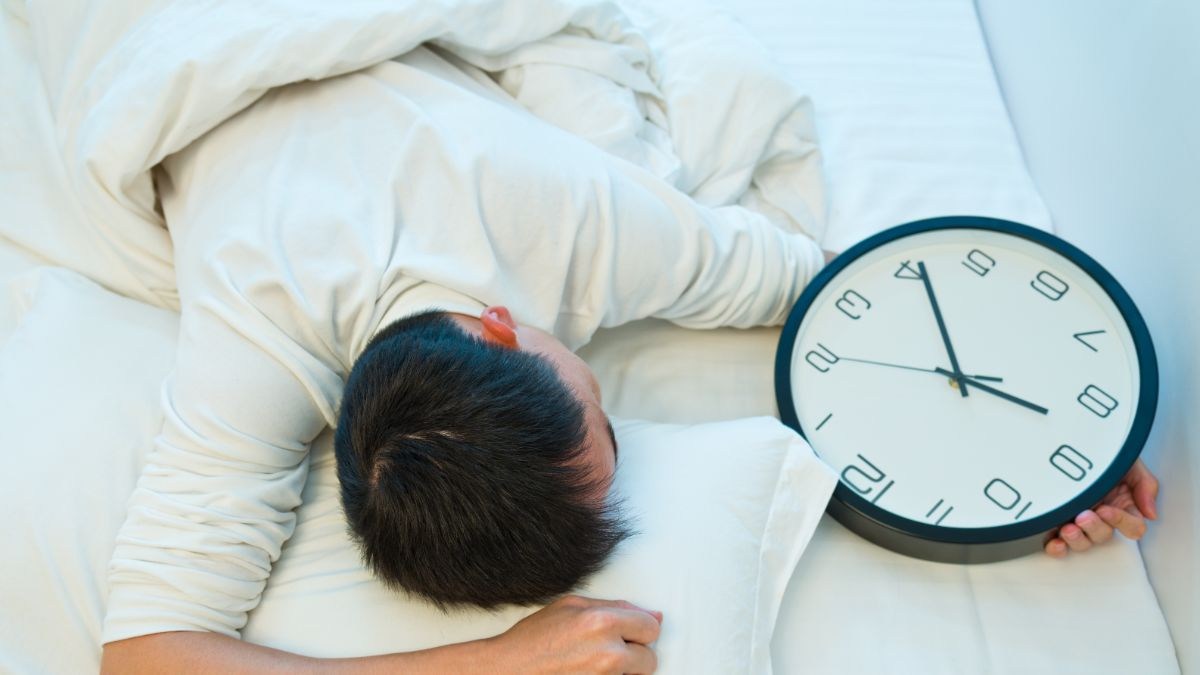
Sleep banking is like saving extra sleep to use later when you can't sleep enough.
Some studies show that sleeping more on some days can help you feel better when you have less sleep later.
But it's not a perfect solution.
Extra sleep can help you feel more alert and improve your mood for a short time, but it can't fix all the problems caused by not sleeping enough.
Sleeping too much can also cause problems like headaches and low energy.
Experts say it's better to have a regular sleep schedule every night.
Naps can help a little, but they can't replace a good night's sleep.
So, while sleep banking can be useful for some people, it's not a good idea for everyone.

Sleep banking involves getting extra sleep to build resilience during periods of sleep deprivation.
Research shows that extending sleep to 9-10 hours before deprivation can improve performance and reduce reaction times.
Extra sleep can reduce sleep pressure, improve alertness, and stabilize mood, but some health effects remain impaired.
Oversleeping can lead to headaches, low energy, and potential underlying medical issues.
Experts recommend a consistent sleep schedule of 7-9 hours per night for optimal health.
- Who
- Adults, especially those with irregular sleep patterns or upcoming periods of sleep deprivation.
- What
- The concept of sleep banking and its effects on health and performance.
- When
- During periods of sleep deprivation or irregular sleep schedules.
- Where
- Anywhere, but particularly relevant for those with demanding schedules like military personnel or medical doctors.
- Why
- To understand if extra sleep can mitigate the effects of sleep deprivation and maintain overall health.
- Sleep Banking
- Practice of getting extra sleep to build resilience during periods of sleep deprivation.
- Recommended Sleep Duration
- 7-9 hours per night for adults.
- Effects of Sleep Deprivation
- Impaired performance, mood, immunity, and metabolic function.
- Limitations of Extra Sleep
- Cannot fully restore memory, immunity, or heart health affected by long-term sleep loss.
- Risks of Oversleeping
- Headaches, low energy, body aches, and potential underlying medical issues.
- Naps
- Can improve alertness but cannot replace nighttime sleep.
- Social Jet Lag
- Disruption of body clock due to irregular sleep patterns.