

Archive · 15 Dec 2025
Social Media's Impact on Children's Mental Health
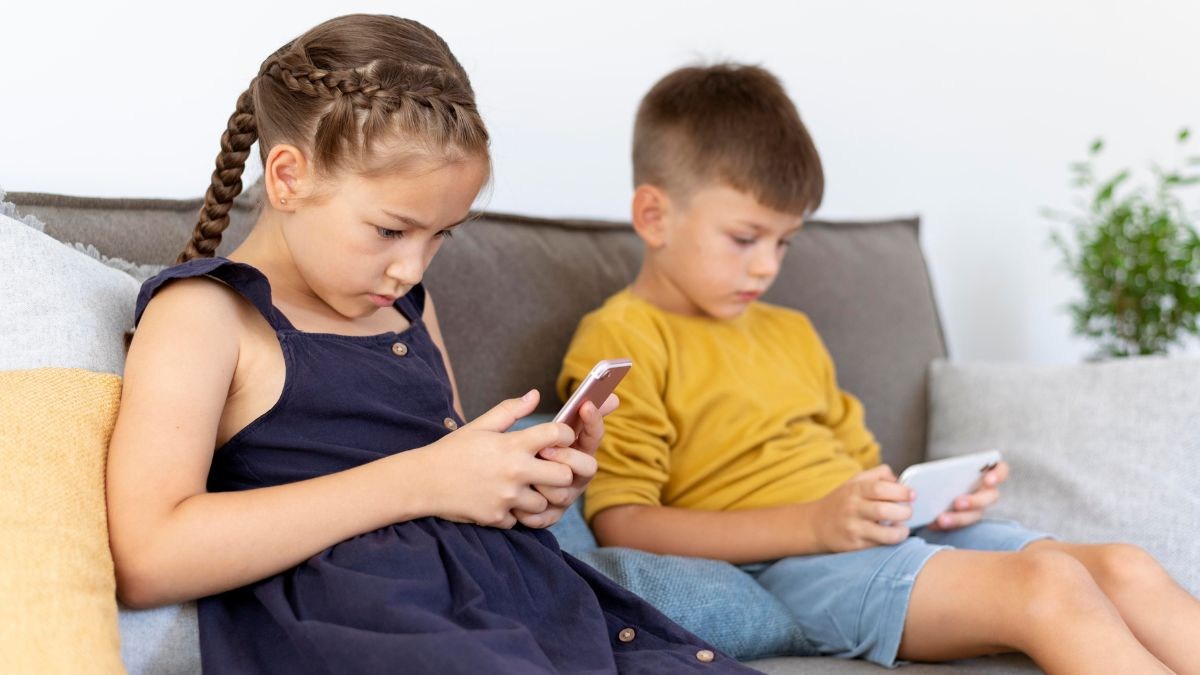
Social media is very popular among children, but doctors are worried about how it affects their growing brains.
Likes, comments, and quick videos can make it hard for kids to focus on tasks that need patience.
Seeing perfect lives online can make children feel bad about themselves, leading to stress and anxiety.
Experts say it's important to limit social media use early on.
This helps kids sleep better, reduces anxiety, and allows them to develop stronger attention spans and emotional control.
Real-life interactions and play are crucial for building resilience and confidence.
Parents and schools can help by setting boundaries and teaching responsible use of social media.

Social media use can shorten attention spans and reduce patience in children.
Exposure to idealized lives online can lower self-esteem and increase stress.
Limiting social media exposure can improve sleep and reduce anxiety.
Real-world interactions are crucial for developing emotional resilience and confidence.
Experts recommend parental monitoring and digital literacy education to promote healthy online habits.
- Who
- Children and adolescents
- What
- Impact of social media on mental health and brain development
- When
- During childhood and early adolescence
- Where
- Globally, with varying regulations
- Why
- To understand and mitigate the negative effects of social media on young minds
- Primary Concern
- Impact on developing brains
- Key Effects
- Short attention spans, emotional impact, sleep disruption
- Expert Advice
- Limit early exposure, monitor usage
- Long-term Benefits
- Stronger attention spans, better emotional control
- Mental Health Risks
- Anxiety, depression, sleep disturbances
- Recommended Actions
- Parental monitoring, digital literacy education
- Impact on Sleep
- Blue-light exposure affects melatonin
- Academic Impact
- Reduced attention span, lower performance