

Archive · 19 Sep 2025
Jute Production Stable, Prices Soar Amidst Trade Shifts
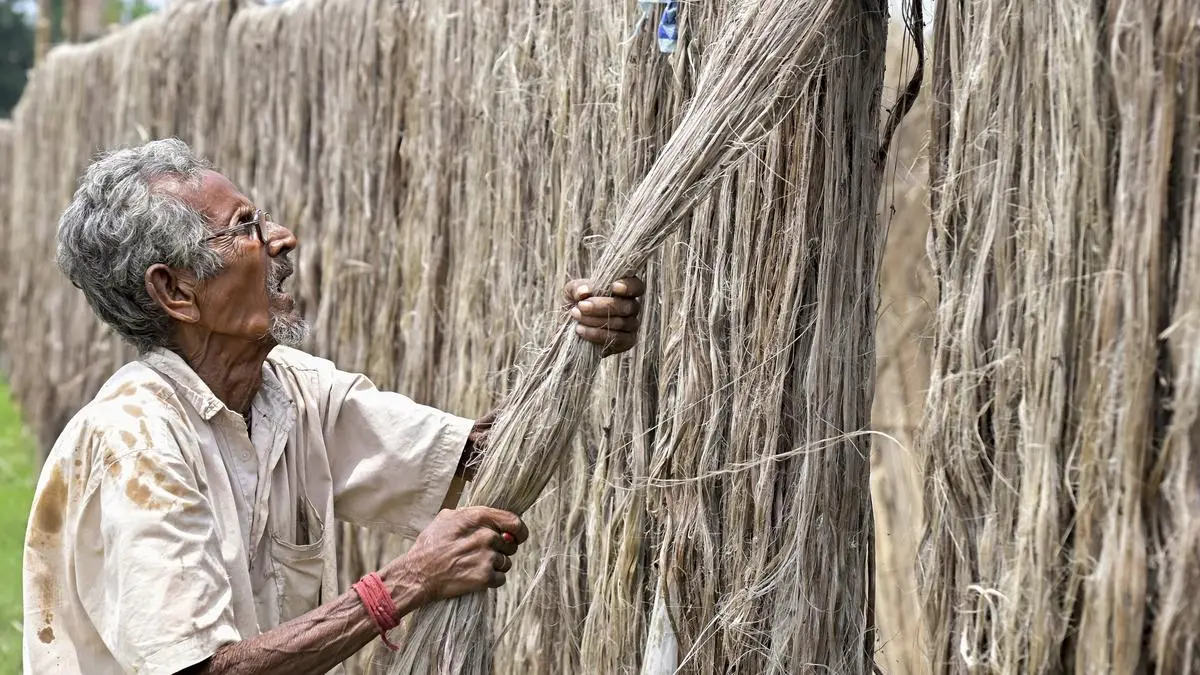
Jute farmers in India are likely having a good year because jute prices are really high.
Even though the area where jute is grown is a little smaller, the amount of jute produced is expected to be about the same as last year because of good rains.
The government has also stopped importing jute products from Bangladesh, which is helping Indian jute farmers and companies.
The high prices are also due to good demand.
Some new areas, like Jharkhand and Nagaland, have also started growing jute.
India needs lots of jute bags to pack things like food, and those supplies are on schedule.

Raw jute production is expected to be similar to last year.
Jute prices are at record highs.
The sowing area under jute cultivation has slightly decreased.
India has banned imports of jute products from Bangladesh.
The government's demand for jute bags remains strong.
- Who
- Indian jute growers and the government
- What
- Stable jute production with high prices and a ban on imports from Bangladesh.
- When
- Production for 2024-25, ban effective from an earlier date.
- Where
- India, specifically in jute-growing states.
- Why
- Favorable yields and high demand, coupled with import restrictions to protect the domestic industry.
Indian Exporters
Indian Jute Industry
Impact of Import Ban
Indian Exporters
Indian exports will get impacted as exporters previously used high-quality raw jute from Bangladesh.
Indian Jute Industry
The ban protects the domestic industry in the long run.
- Raw Jute Production (2024-25)
- Around 75 lakh bales
- Current Sowing Area
- 4.70 lakh hectares
- Raw Jute Price (current)
- ₹8,143 per quintal
- Minimum Support Price
- ₹5,650 per quintal
- States with cultivation
- West Bengal, Bihar, Odisha, Assam, Tripura, Meghalaya, Andhra Pradesh, Jharkhand, Nagaland
- Kharif bag demand
- 18 lakh bales
- Ban on imports
- Jute products from Bangladesh