

Archive · 30 Jul 2026
India’s Power Market Faces Grid‑Control Debate
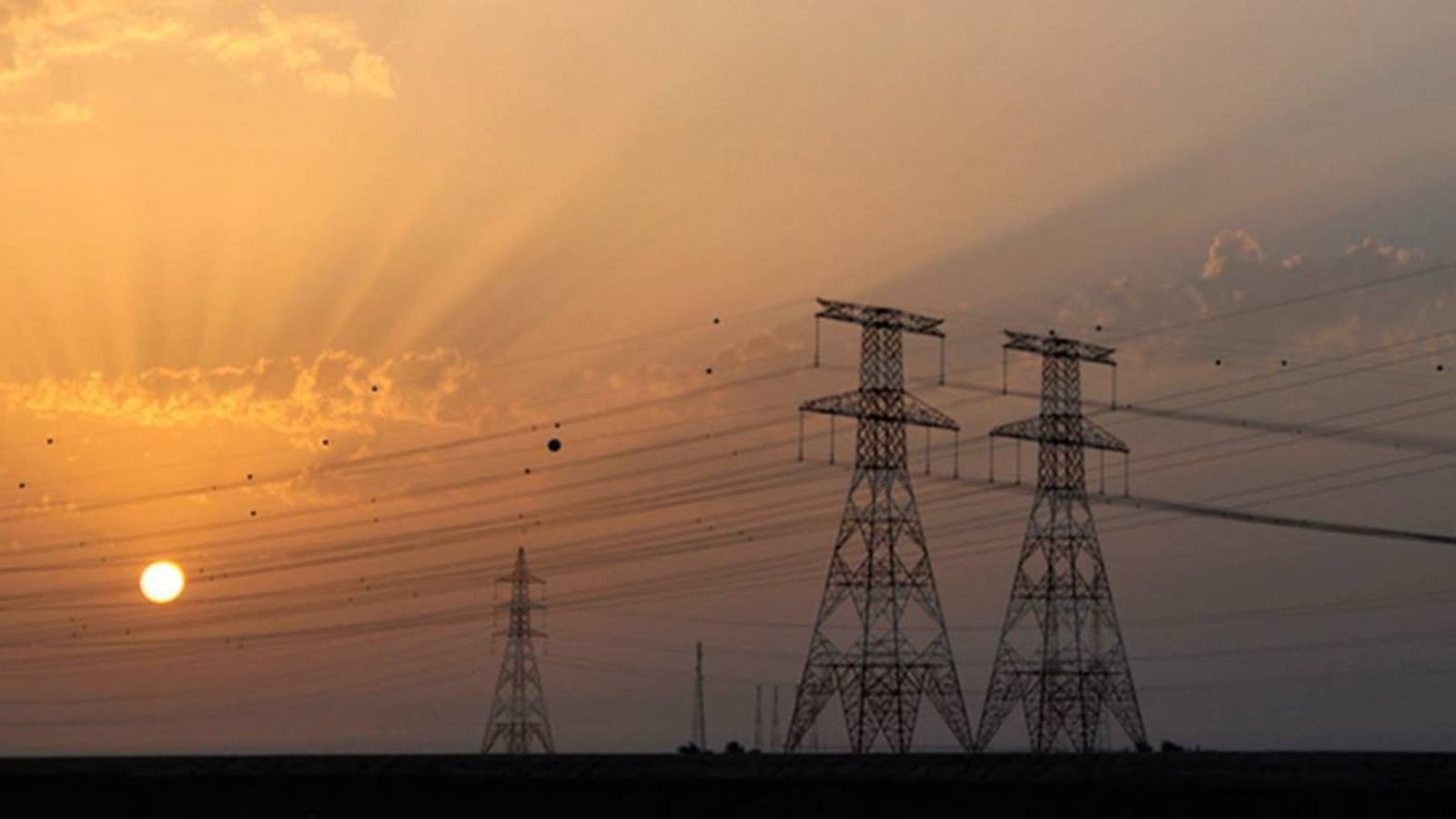
India’s solar power is growing fast, but the electricity grid can’t always use all the new power.
The government regulator, CERC, wants a single system that sets one price for all electricity.
They plan to let Grid‑India run this system.
Tests show the new system would only help a tiny bit.
Some people worry that letting a government company control the market will make it slow to add new ideas and tools.
The debate is about how best to keep the grid working and help renewable energy grow.

India’s solar capacity is projected to reach 162 GW by June 2026.
More than 2 billion units of solar power were curtailed between May and December last year.
CERC proposed that Grid‑India become the Market Coupling Operator, merging bids from IEX, PXIL and HPX.
Pilot studies show the proposal would improve welfare by only 0.3% short‑term or 0.013% long‑term.
Critics argue that giving a government transmission utility control could slow market innovation and tie new products to a public‑utility pace.
- Who
- Central Electricity Regulatory Commission (CERC) and Grid‑India
- What
- Proposed to make Grid‑India the Market Coupling Operator for a unified national price
- When
- July 2025 and January 2026 proposals
- Where
- India’s national electricity market
- Why
- CERC cites market fragmentation harming consumers; critics warn of slowed innovation
- Projected solar capacity (2026)
- 162 GW
- Solar curtailment (May‑Dec last year)
- over 2 billion units
- CERC proposal
- Grid‑India as Market Coupling Operator
- Pilot welfare improvement
- 0.3% short term, 0.013% long term
- Major exchanges involved
- IEX, PXIL, HPX