5 days ago
Sikh Boy Defies Stereotypes, Becomes Graceful Kathak Dancer
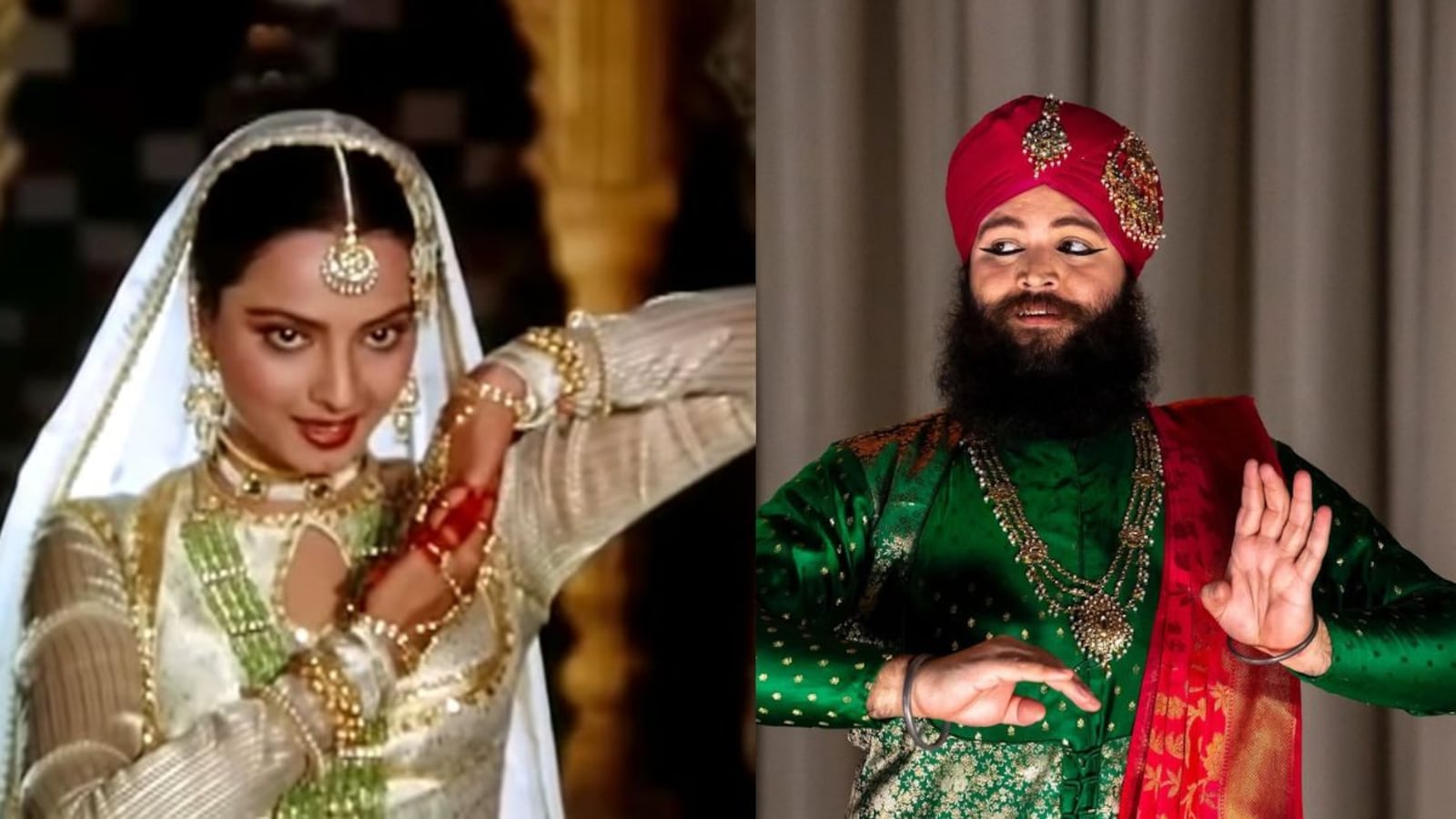
Once upon a time, a boy named Asa saw a dance in a movie called Umrao Jaan.
He loved it so much that he decided to learn Kathak, a type of Indian classical dance.
At first, people were surprised because they thought only girls could be dancers.
But Asa didn't let that stop him.
He practiced hard and even learned another dance called Bharatanatyam.
He faced many challenges, like people staring at him and questioning his choices.
But his mom always supported him.
Now, Asa is a grown-up dancer who performs all over the world.
He wants to show everyone that dance is for anyone who loves it, no matter their gender.

Asa Willoughby was inspired by the dance in Umrao Jaan to take up Kathak at 14.
He faced gender stereotypes and scrutiny, especially after starting to wear a turban.
His mother supported him throughout his journey, helping with makeup, costumes, and nerves.
Asa also learned Bharatanatyam and trained under renowned gurus in the UK and US.
He now performs internationally and uses his art to challenge societal stereotypes about gender and dance.
- Who
- Asa Willoughby, a Sikh man who took up Kathak at 14
- What
- Defied gender stereotypes to become a Kathak and Bharatanatyam dancer
- Where
- Trained in the UK, now based in the US
- When
- Started at 14, has been dancing for 17 years
- Why
- Inspired by the grace and strength in the film Umrao Jaan
Key facts
- Name
- Asa Willoughby
- Age Started Dancing
- 14
- Dance Forms
- Kathak, Bharatanatyam
- Gurus
- Anuradha Chaturvedi-Seth, Sujata Banerjee
- Current Status
- PhD student and active performer
- Inspiration
- Film Umrao Jaan
- Location
- US (previously UK)
Quotes
Asa Willoughby
Sikh Kathak and Bharatanatyam performer who began training at 14
“At 14, I watched the film Umrao Jaan. The grace and strength of the mujra-style dance mesmerised me. I knew it was inspired by Kathak. So, I joined my first class. I was the only boy.”
 NDTV
NDTV
“I wanted to show people that Indian classical dance isn't bound by gender or borders; it's Sadhana, a spiritual practice for anyone willing to seek it.”
NDTV
Sources
Related news
Indu Mitha Carried Bharatanatyam Across Partition and Pakistan

Sixteen-Year-Old Vibha Raghavendra Makes Acclaimed Carnatic Music Debut
Swetha Prasanna Works to Carry Kuchipudi Legacy Forward
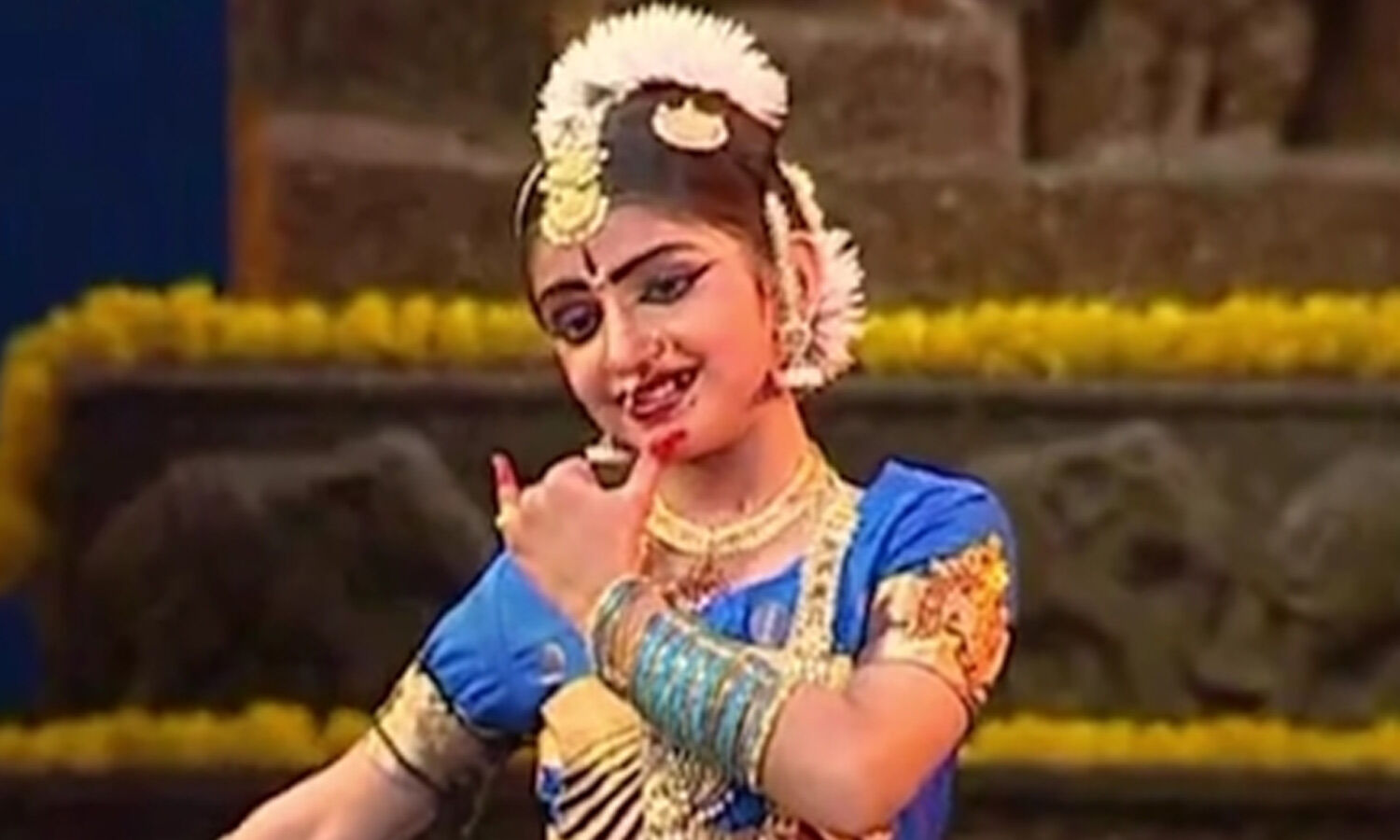
Sreeleela Shares Childhood Bharatanatyam Performance On Krishna Ashtami
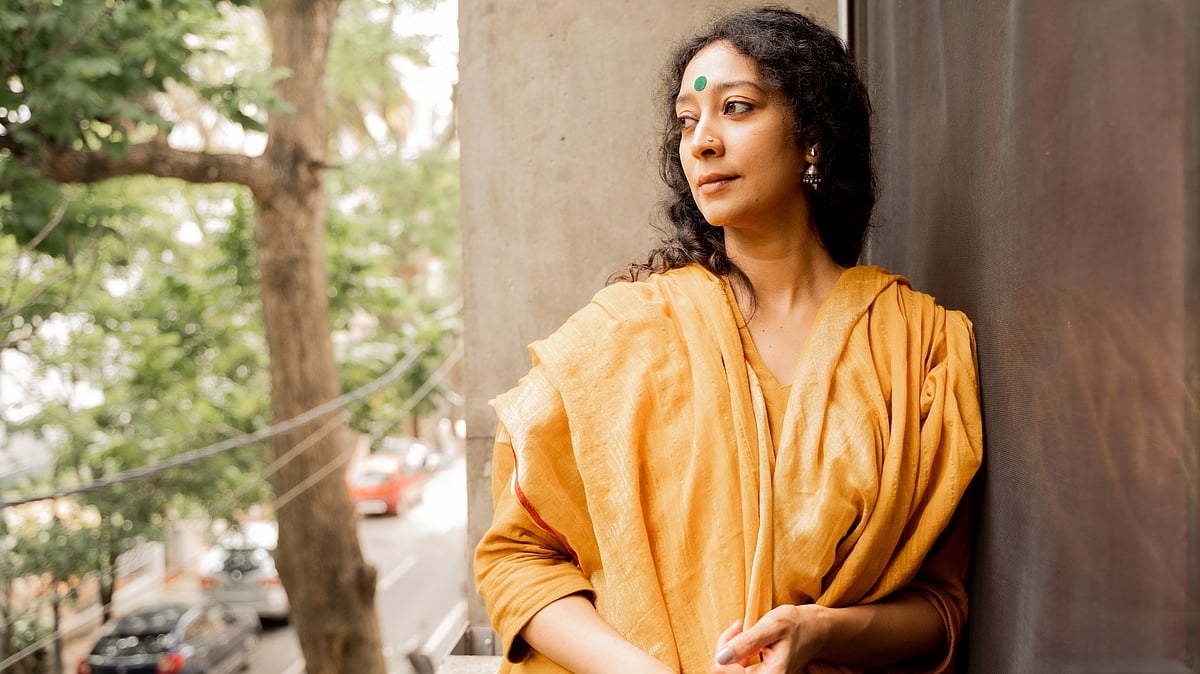
Mayuri Upadhya Explores Faith, Love And Surrender Through Dance