

Archive · 24 Jul 2025
India's Cities Face Climate Change Threat: A World Bank Report
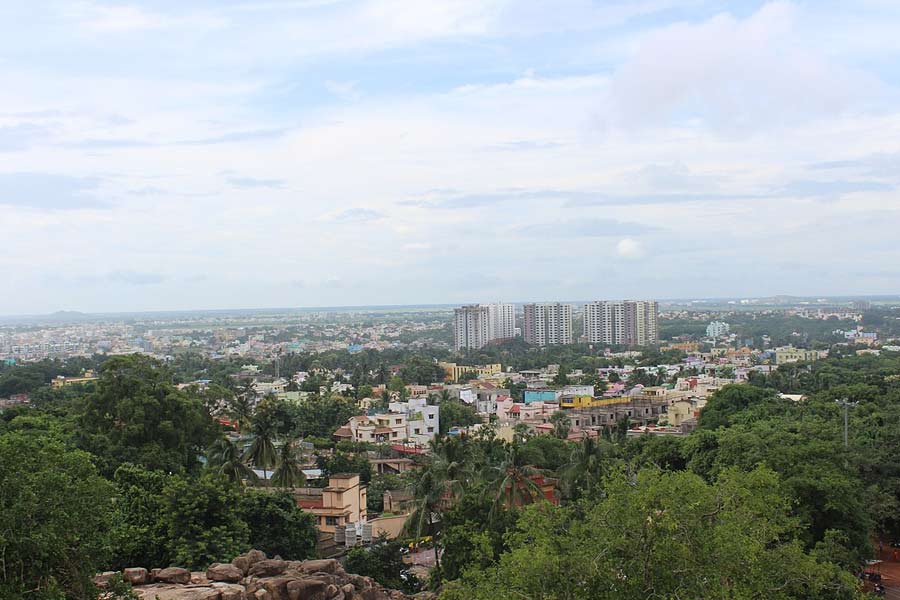
Imagine India's cities growing super big, with lots more people and jobs.
But, these cities are going to face more extreme heat and flooding because of climate change.
A new report says the cities need to spend a lot of money to get ready.
They need to build new things and change how they work.
They need to make sure the cities can handle the heat and the rain.
The report also says that cities should have more control over their own decisions to better adapt to the changing weather.

Indian cities face significant climate change vulnerabilities, including extreme heat and flooding.
A World Bank report estimates India's urban population will nearly double by 2050, reaching 951 million.
The report projects a 73%-100% rise in pluvial flooding, with Delhi having the most vulnerable area.
India needs $2.4 trillion by 2050 to build climate-resilient infrastructure in its cities.
The report suggests that cities with greater autonomy are likely to adapt more effectively to climate change.
- Who
- The World Bank, the Union ministry of housing and urban affairs, and Indian cities.
- What
- A World Bank report highlights the climate vulnerabilities of Indian cities and the need for adaptation.
- When
- The report looks ahead to 2050.
- Where
- India, focusing on its urban areas.
- Why
- To address the challenges of climate change, including extreme heat and flooding, in rapidly growing urban centers.
Centralized Governance
Local Autonomy
Urban Governance
Centralized Governance
Prioritization of centralized decision-making.
Local Autonomy
Prioritization of local autonomy in urban planning and management
- Projected Urban Population by 2050
- 951 million
- Increase in Extreme Heat Exposure (1983-2016)
- 71% in 10 large cities
- Expected Rise in Pluvial Flooding
- 73%-100%
- Required Investment by 2050
- $2.4 trillion
- Focus
- Climate Resilient Cities