Archive · 3 Sep 2026
Bangladesh PM Invokes Kansa While Promising Rights and Democracy
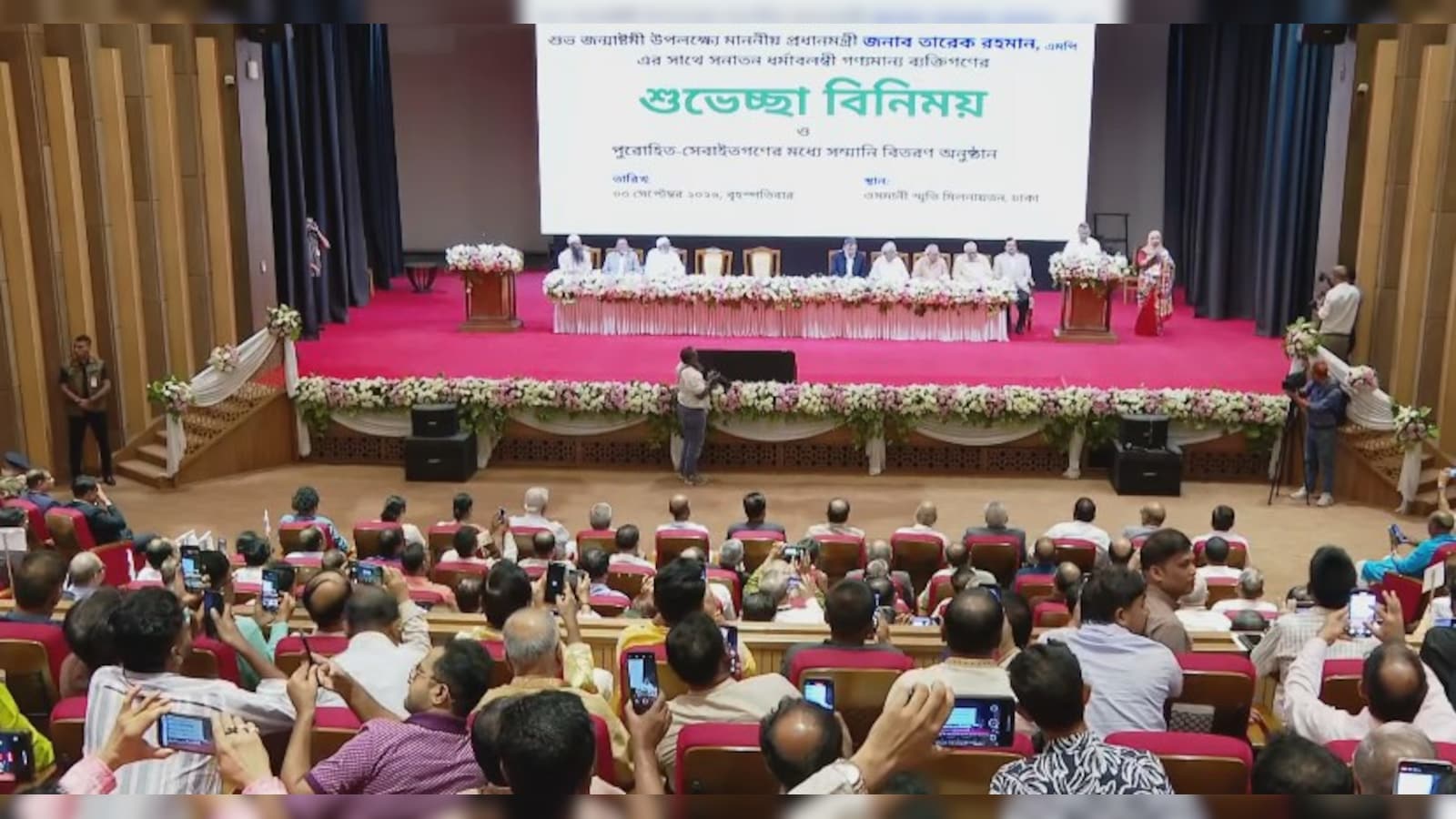
Bangladesh Prime Minister Tarique Rahman spoke at a Hindu festival event in Dhaka.
He wished Hindu people a happy Janmashtami.
He told the story of Kansa, a harsh ruler defeated by Lord Krishna.
Rahman compared that story with what he described as Bangladesh’s past political situation.
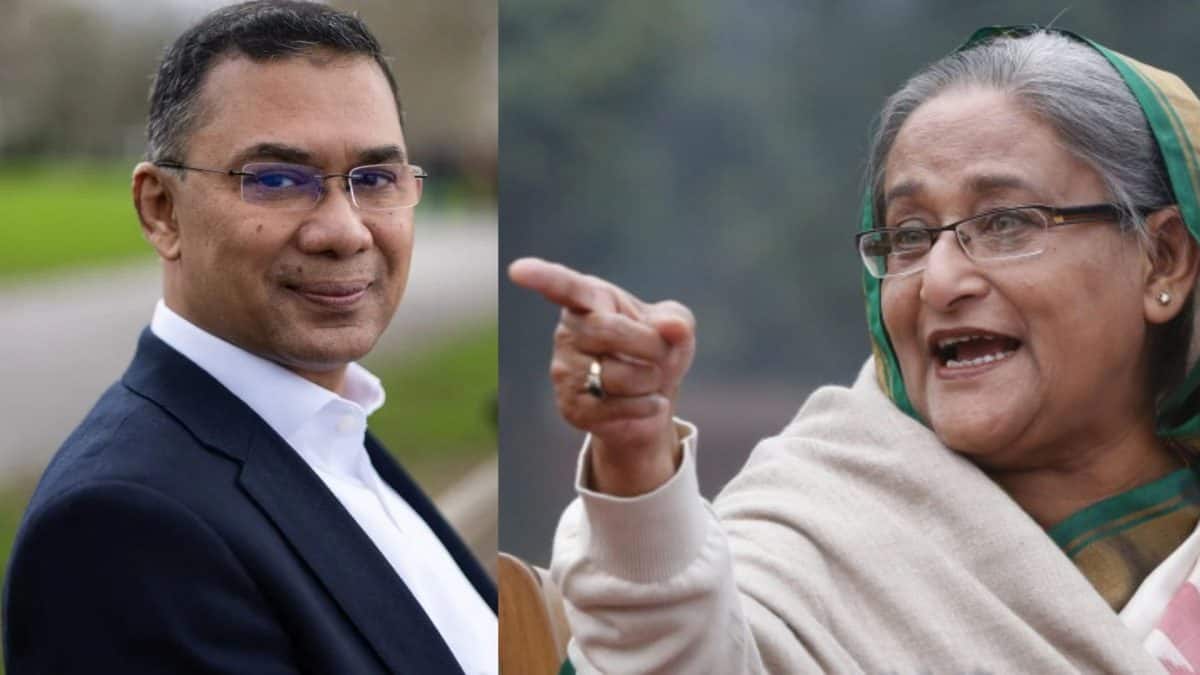
He did not say former Prime Minister Sheikh Hasina’s name in the speech, although reports said the comparison was aimed at her.
Rahman said Bangladesh was moving toward democracy after people united against what he called fascist rulers.
He asked everyone to think of themselves as Bangladeshis instead of separating people into majority and minority groups.
He promised equal rights and safety for all citizens.
He also urged Hindus to celebrate Janmashtami and Durga Puja peacefully and distributed honorariums to religious officials.

Prime Minister Tarique Rahman invoked the story of Kansa to criticize what he called a ruler who denied Bangladeshis democratic rights for more than 15 years.
Rahman did not name former Prime Minister Sheikh Hasina directly, though reports described the remarks as aimed at her 16-year rule.
He said Bangladesh was again moving toward democracy and prioritized economic improvement, fair administration and better law and order.
Rahman urged citizens to identify as Bangladeshis rather than through majority or minority identities, promising equal rights and security.
At the Dhaka Janmashtami programme, nine priests and sebaits received honorariums, with payments also transferred electronically nationwide.
- Who
- Bangladesh Prime Minister Tarique Rahman addressed Hindu community members, religious leaders, priests and sebaits.
- What
- Rahman used the story of Kansa to criticize Bangladesh’s previous political rule, while calling for democracy, communal harmony, equal rights and security.
- When
- The programme took place on Thursday, ahead of Bangladesh’s Janmashtami celebration on Friday.
- Where
- Osmani Memorial Auditorium in Dhaka, Bangladesh.
- Why
- He attended a government-organized Janmashtami programme, offered festival greetings and discussed Bangladesh’s political transition and the safety of religious minorities.
Rahman’s Government Narrative
Hasina’s Counter-Narrative
Political legacy
Rahman’s Government Narrative
Rahman portrayed the previous rule as a period in which a Kansa-like ruler and fascists deprived people of democratic rights for more than 15 years.
Hasina’s Counter-Narrative
Sheikh Hasina has continued to present herself as a legitimate political force and has challenged the legitimacy of the post-Hasina political order.
Bangladesh’s transition
Rahman’s Government Narrative
Rahman said Bangladesh was again on the path to democracy and that his government was rebuilding the country through better administration, economic improvement and law and order.
Hasina’s Counter-Narrative
Hasina accused the post-Hasina authorities of pushing Bangladesh toward a situation resembling Pakistan and vowed to return to Dhaka.
Minority security
Rahman’s Government Narrative
Rahman said every citizen had equal rights and security and urged Hindus to celebrate religious festivals peacefully and without fear.
Hasina’s Counter-Narrative
The remarks came amid concerns raised by minority groups about Hindu safety and law-and-order incidents targeting the Hindu community.
- Speaker
- Bangladesh Prime Minister Tarique Rahman
- Event
- Government-organized Janmashtami programme
- Location
- Osmani Memorial Auditorium, Dhaka
- Political reference
- Rahman referred to a “Kansa-like” ruler who allegedly denied democratic rights for more than 15 years; he did not name Sheikh Hasina directly.
- Government message
- Rahman said Bangladesh was moving toward democracy, with economic improvement, fair administration and better law and order as rebuilding priorities.
- Minority rights
- He called for equal rights and security for all citizens and urged Hindus to celebrate Janmashtami and Durga Puja without fear.
- Honorariums
- Nine priests and sebaits received honorariums, while payments were also sent to priests’ and sebaits’ bank accounts nationwide through electronic fund transfer.