

11 months ago
Trump's Plan: Military Lawyers to Serve as Immigration Judges Sparks Concerns
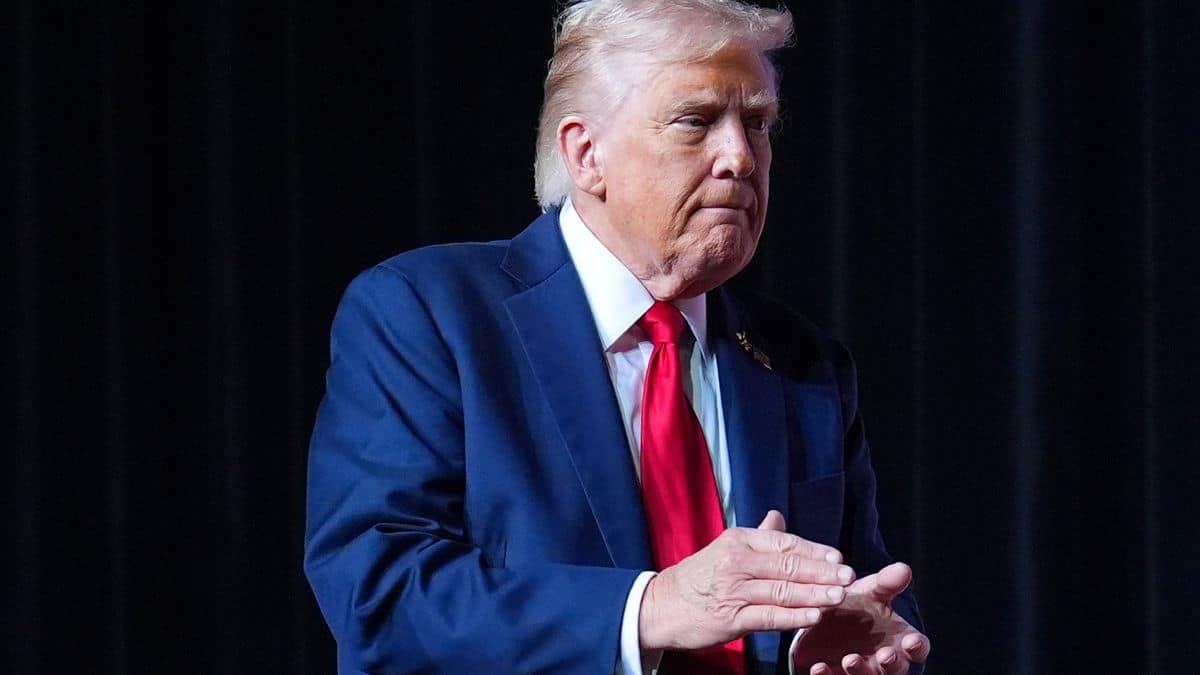
The U.S. government plans to use lawyers from the Army Reserve and National Guard as immigration judges.
This is happening because they've fired a lot of the judges already.
These military lawyers will make decisions on whether immigrants can stay in the country.
Some people are worried because these lawyers might not know much about immigration law.
This could make it harder for immigrants to get a fair hearing, and also make the courts slower because of more appeals.
The government says it's a good way to fix the long wait times in the immigration courts, but critics are concerned it could cause problems.

The Trump administration will use military lawyers as immigration judges.
This plan follows the firing or departure of over 100 existing immigration judges.
Training for the first group of Army lawyers begins soon.
Critics express concerns over due process and the lawyers' lack of immigration law experience.
The plan aims to address the rising backlog of immigration cases.
- Who
- Army Reserve and National Guard lawyers, the Trump administration, immigrant advocates, and legal experts.
- What
- Using military lawyers as temporary immigration judges.
- Where
- U.S. immigration courts.
- When
- Training for the first group of lawyers begins Monday.
- Why
- Address the shortage of judges and growing immigration backlogs.
Concerns over Due Process
Addressing Shortages
Qualifications of Judges
Concerns over Due Process
Critics worry military lawyers lack sufficient immigration law experience.
Addressing Shortages
Supporters say military lawyers are skilled and this is a practical solution.
Impact on Courts
Concerns over Due Process
Critics suggest the plan could lead to more appeals and worsen backlogs.
Addressing Shortages
Some say this plan is a practical solution to shortage of judges.
Political Influence
Concerns over Due Process
Temporary hires may be more vulnerable to political influence.
Addressing Shortages
Not explicitly addressed in article.
Key facts
- Action
- Army Reserve and National Guard lawyers to serve as temporary immigration judges
- Reason
- Firing of over 100 existing judges & increasing immigration backlogs
- Training
- 2 months military law training for lawyers; no immigration law experience required
- Potential Impact
- Undermining due process, heightened backlogs, political influence concerns
- Number of Attorneys
- Up to 600 military attorneys
Quotes
Matt Biggs
President of a federal employee union representing immigration judges
“tapping lawyers with little or no immigration experience… will lead to more appeals of decisions.”
 firstpost.com
“It sets a dangerous precedent in this country when it comes to due process protections.”
firstpost.com

Margaret Stock
A retired Army lieutenant colonel and immigration lawyer
“They’re letting a lot of experienced judges go, terminating them with no notice, and yet they claim there’s a shortage.”
firstpost.com
“Immigration law is super technical and complicated.”
firstpost.com
Greg Rinckey
A former Army lawyer
“Most of us have served as defense counsel.”
firstpost.com
“We’re not all government hacks.”
firstpost.com
Mark Nevitt
A former Navy JAG and law professor
“They are some of the greatest lawyers you’ll meet in the national security world.”
firstpost.com
Gregory Chen
of the American Immigration Lawyers Association
“watering down the qualifications of those it will empower to make life-or-death decisions.”
firstpost.com
