

Archive · 17 Nov 2025
Guwahati's Self-Medication Trend Fuels Health Concerns
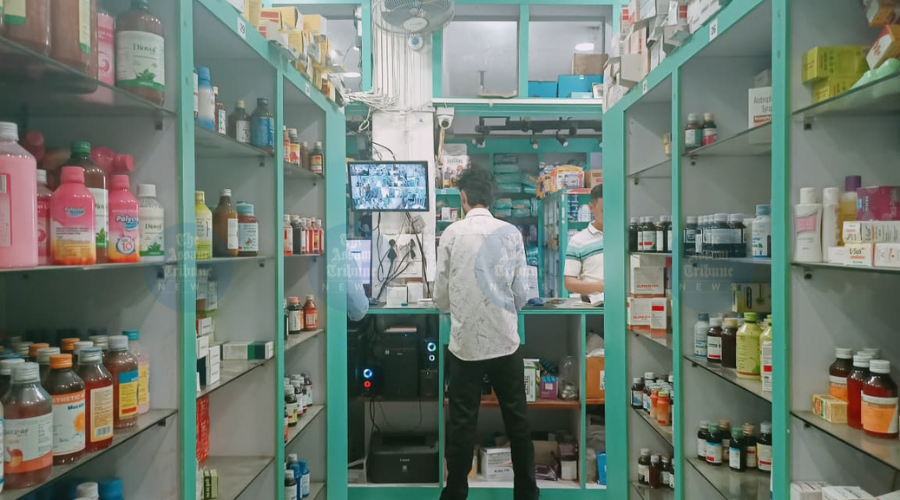
In a city called Guwahati, many people are starting to treat themselves when they feel sick.
Instead of going to a doctor, they use medicines they buy from a pharmacy or find information about online.
They think it's easier and cheaper.
But doctors are worried because this can be dangerous.
Different people's bodies work differently, and some medicines can hurt their kidneys or other important parts if not used correctly.
Doctors warn that even common pills for pain or stomach issues can cause big problems.
Sometimes, people get so sick from treating themselves that they need surgery.
It's like trying to fix a toy without knowing how it works – you might break it more.

Guwahati residents are increasingly self-medicating for common illnesses like colds, fever, and digestive issues.
Decisions for self-treatment are often guided by internet searches and advice from pharmacists.
Doctors warn that this trend poses a significant public health risk, leading to delayed treatment and potential organ damage.
Misuse of painkillers and improper treatment of conditions like hypertension are major concerns.
Pharmacists report a high demand for medicines without prescriptions, highlighting challenges in enforcing regulations.
- Who
- Residents of Guwahati
- What
- Increasingly self-medicating for common ailments instead of consulting doctors.
- When
- Becoming a more frequent trend over the past decade, significantly worsening after the pandemic.
- Where
- Guwahati, Assam
- Why
- Driven by convenience, cost savings, confidence in available information (internet, pharmacists), and avoidance of doctor visits.
Individuals opting for self-medication
Medical professionals
Information sources and decision-making
Individuals opting for self-medication
Relies on internet searches and pharmacist advice for treatment decisions.
Medical professionals
Internet and pharmacist advice should not replace professional medical judgment.
Reasons for self-medication
Individuals opting for self-medication
Driven by convenience, cost savings, and confidence in self-treatment.
Medical professionals
Convenience and cost savings should not compromise appropriate medical care, which can lead to serious health risks.
Perception of medication safety
Individuals opting for self-medication
Views common medicines as harmless for self-use due to widespread availability of information.
Medical professionals
Even seemingly harmless medicines can have dangerous side effects and organ damage if not prescribed by a doctor who considers individual health factors.
- Prevalence of self-medication
- Increasingly common in Guwahati.
- Commonly self-medicated ailments
- Cold, acidity, fever, pain, nausea, diarrhea, hypertension.
- Guidance sources for self-medication
- Internet searches, pharmacist advice, family/friend suggestions.
- Concerns raised by doctors
- Delayed recovery, organ damage (kidney, liver, heart), surgeries due to complications, misuse of painkillers and antibiotics.
- Prescription request rate
- 60% of customers ask for medicines without a prescription at some pharmacies.
- Worsening factors
- Increased after the pandemic due to reliance on online health content.