

Archive · 27 Jan 2026
430,000-Year-Old Wooden Tools Found in Greece
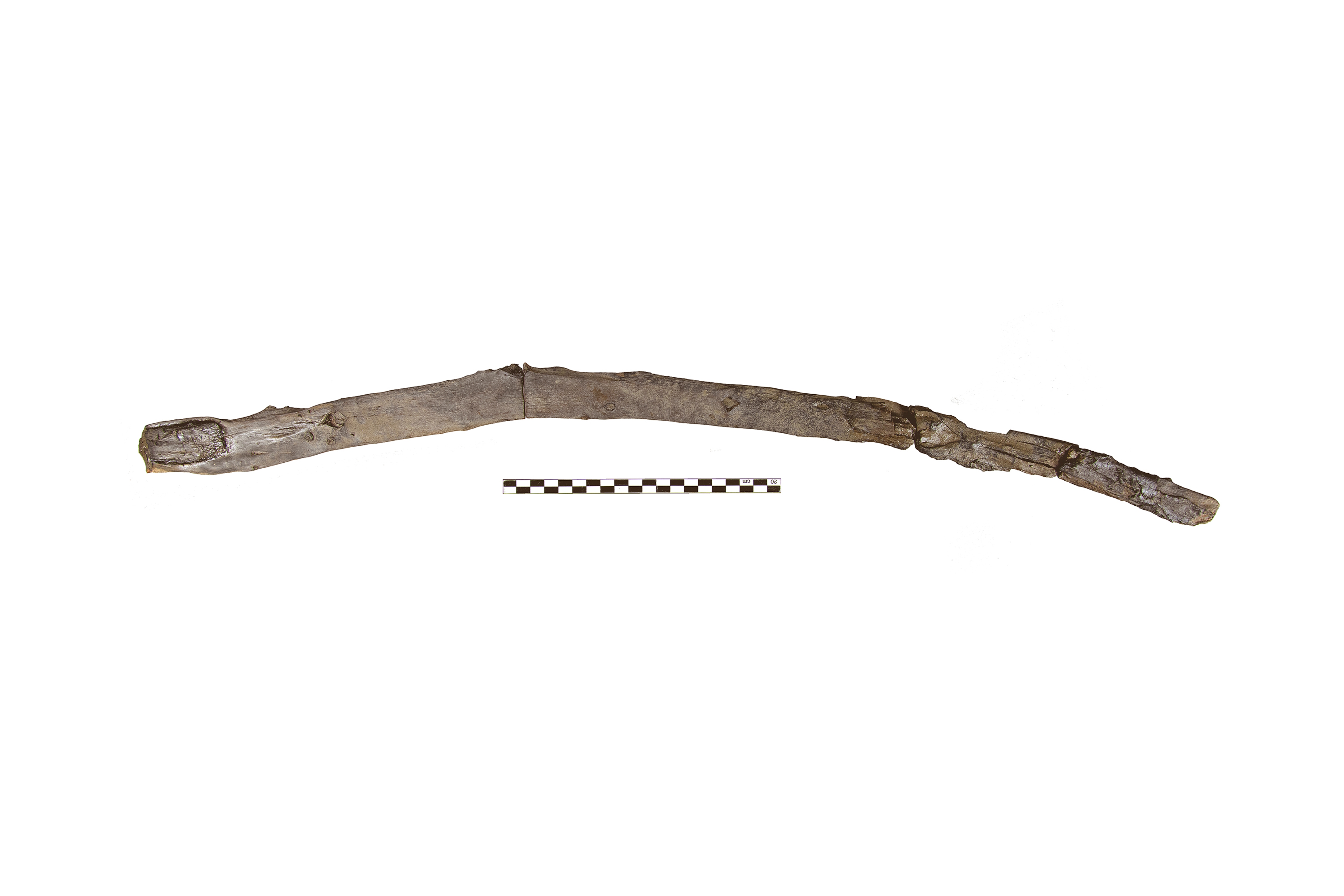
Scientists found very old tools made from wood and bone in Greece and England.
These tools are about 430,000 and 500,000 years old, which is much older than we thought people were making tools.
The wooden tools were found near an elephant skeleton, and the bone tool was used for making stone tools.
This shows that early humans were very smart and could make different kinds of tools from different materials.
The tools were found in places where there were mines long ago, and they help us understand how people lived a very long time ago.

430,000-year-old wooden tools and a 500,000-year-old elephant-bone hammer were discovered in Greece and England, respectively.
The tools were likely made by early Neanderthals or Homo heidelbergensis, not Homo sapiens.
The wooden tools include a digging stick and a carved twig, found at the Marathousa 1 site in Greece.
The elephant-bone hammer, found in England, was used for knapping stone tools.
These discoveries push back the timeline for toolmaking in Europe by hundreds of thousands of years.
- Who
- Early Neanderthals or Homo heidelbergensis
- What
- Discovery of 430,000-year-old wooden tools and a 500,000-year-old elephant-bone hammer
- When
- Middle Pleistocene age (478,000 to 424,000 years ago)
- Where
- Marathousa 1 site in Greece and Boxgrove site in England
- Why
- To provide insight into the prehistoric origins of human intelligence and technological skills
- Age of Tools
- 430,000 years old
- Location
- Marathousa 1 site, Megalopolis basin, Greece
- Materials Used
- Alder, poplar, or willow wood
- Discoverers
- Katerina Harvati, Annemieke Milks
- Journal
- PNAS
- Other Artifacts Found
- Partial skeleton of a straight-tusked elephant, stone tools, remains of turtles, birds, rodents, and hippopotamuses
- Age of Elephant-Bone Hammer
- 500,000 years old
- Location of Elephant-Bone Hammer
- Boxgrove site, West Sussex, England