

Archive · 3 Dec 2025
Karnataka's Menstrual Leave Policy Ignores Informal Workers
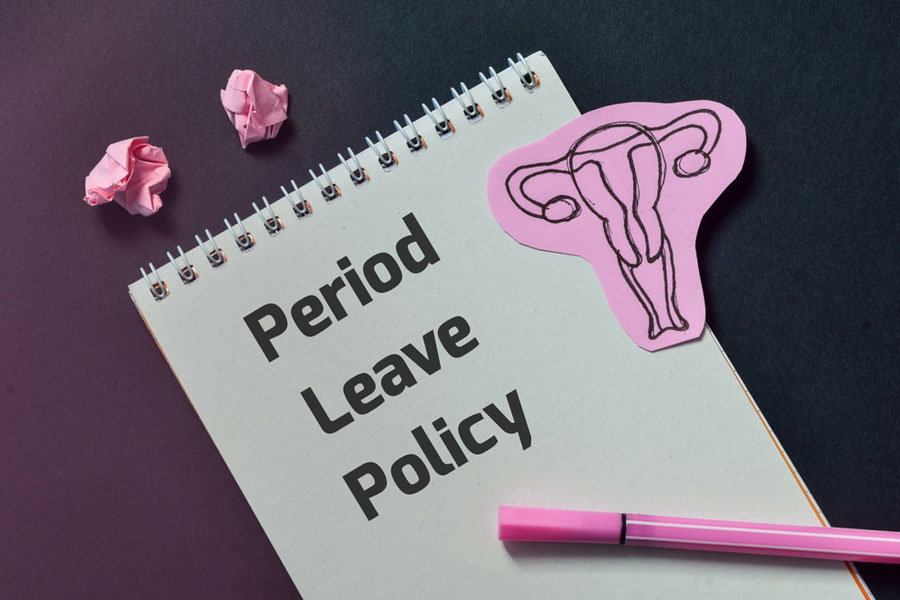
Karnataka has introduced a new policy called the Menstrual Leave Policy 2025.
This policy allows women employees to take one paid leave day every month and provides them with menstrual products at work.
While this sounds good, many people are saying it doesn't help all women.
The policy mostly helps women who work in offices or formal jobs.
It doesn't help women who work as cleaners, farmers, or in other informal jobs.
These women often can't afford to take time off.
The policy also doesn't improve things like clean toilets or better menstrual health care.
Some people think the policy is just a gesture and doesn't really change things for most women.
They say the government should do more to help all women, not just those in formal jobs.

Karnataka's Menstrual Leave Policy 2025 provides one paid leave day per month and access to menstrual products for women employees.
The policy primarily benefits women in formal employment, excluding informal and daily wage workers.
Critics argue the policy lacks systemic reforms and does not address the needs of informal workers who cannot afford to take leave.
Only 59.7% of women in Bihar, which has had a similar policy since 1992, use hygienic menstrual protection methods.
Experts suggest the policy risks being symbolic without addressing structural issues like wage compensation and menstrual health infrastructure.
- Who
- Women employees in Karnataka, particularly those in formal employment
- What
- Introduction of the Menstrual Leave Policy 2025, providing one paid leave day per month and access to menstrual products
- When
- Policy announced in 2025
- Where
- Karnataka, India
- Why
- To address menstrual health and support women in the workforce, but criticized for excluding informal workers and lacking systemic reforms
- Policy Name
- Menstrual Leave Policy 2025
- Benefits
- One paid leave day per month, access to menstrual products
- Target Beneficiaries
- Five million women in formal employment
- Coverage Issue
- Excludes informal and daily wage workers
- State with Existing Policy
- Bihar (since 1992)
- Global Gender Gap Rank
- India ranked 129 out of 146 countries (2024)
- Female Workers Without Social Security
- 78% in India (ILO report)
- Hygienic Menstrual Protection in Bihar
- 59.7% (NFHS-5, 2021)