

Archive · 18 Sep 2025
Study: Omega-3 Rich Diet May Prevent Shortsightedness in Children
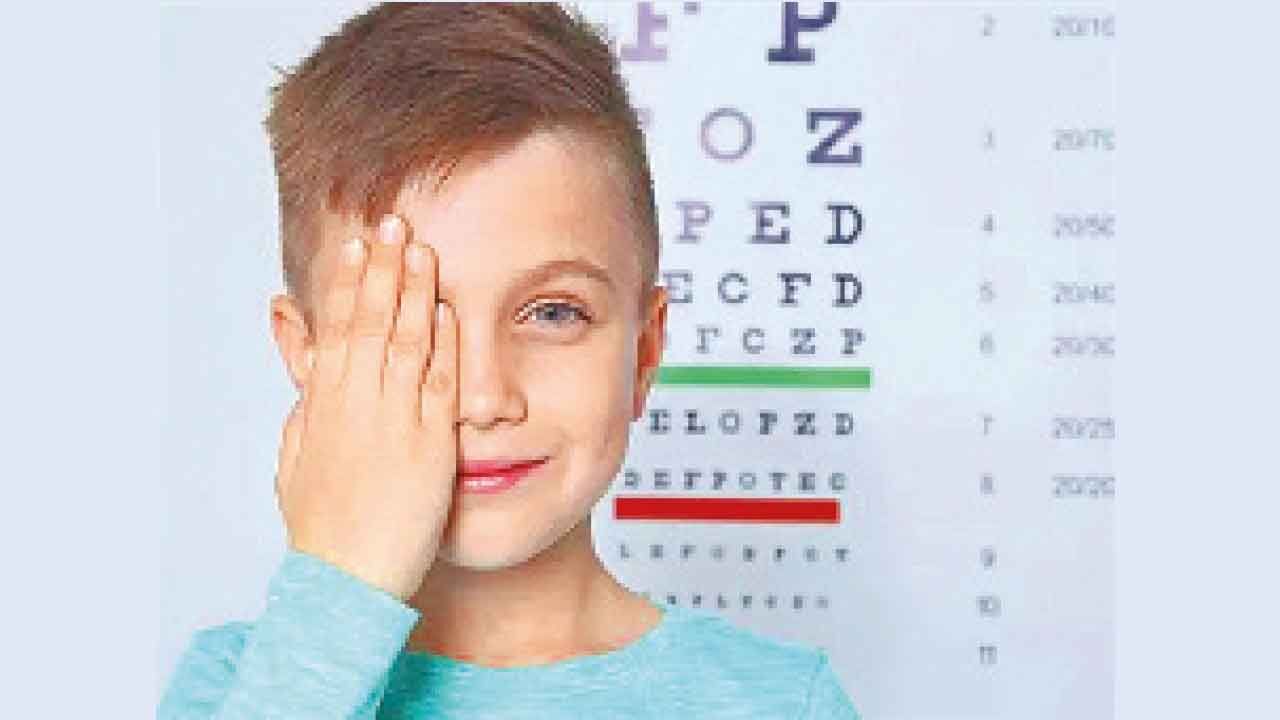
Imagine your eyes are like cameras.
This study looked at how what kids eat affects their eyesight.
Researchers found that eating foods rich in omega-3 fatty acids, like those found in fish, might help kids avoid becoming nearsighted, where things far away look blurry.
Nearsightedness happens when the eye grows too long, or the focus is off.
The study showed that kids who ate more omega-3s had less chance of being nearsighted.
On the flip side, eating lots of saturated fats, like those in butter, might make it more likely for kids to have blurry vision.
This study watched what kids ate and looked at their eyes.
They found a connection, but they can't say for sure that omega-3s *cause* better eyesight.

A global study explored the link between omega-3 intake and myopia (nearsightedness) in children.
Researchers found higher omega-3 intake was associated with a lower risk of developing myopia.
The study included 1,005 children aged 6-8 years old in China.
Around 27.5% of the children in the study had myopia.
High intake of saturated fats may increase the risk of myopia.
- Who
- Researchers from China, US, and Singapore
- What
- Investigated the link between omega-3 intake and myopia in children.
- When
- Study data collected from children aged 6-8 years old
- Where
- China, with data from researchers in China, the US, and Singapore.
- Why
- To determine if omega-3 fatty acids could help prevent or reduce nearsightedness in children.
- Study Focus
- Omega-3 fatty acids and myopia in children
- Key Finding
- Higher omega-3 intake linked to lower myopia risk
- Participants
- 1,005 children aged 6-8 in China
- Myopia Prevalence
- 27.5% of children in the study
- Saturated Fats
- High intake may boost myopia risk
- Study Type
- Observational