

Archive · 12 Aug 2025
Agro-Terrorism Threat: India and the Growing Danger
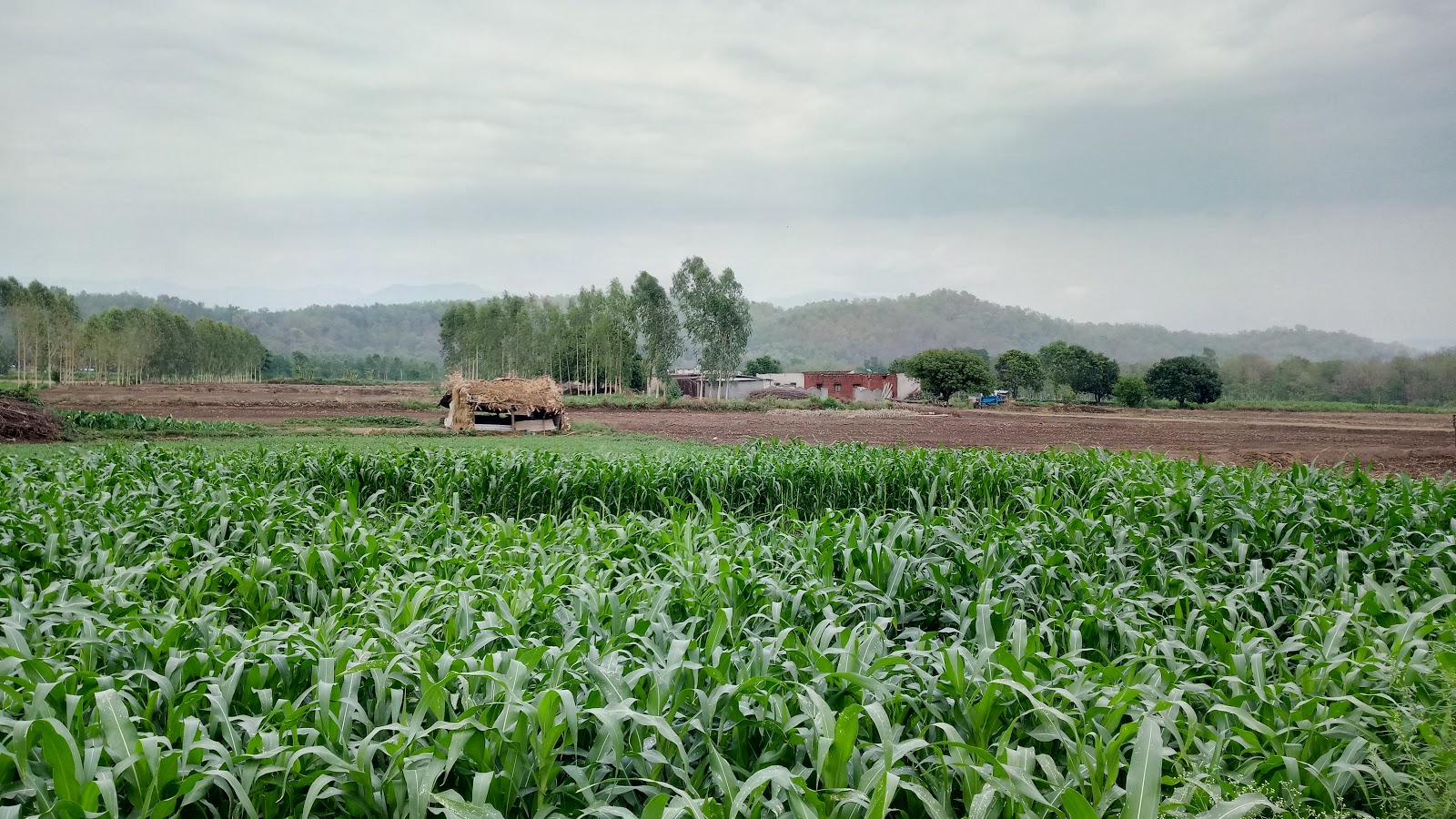
Some countries are developing ways to harm other countries' food supplies.
The US has a program called Insect Allies that studies using insects to spread modified viruses to crops.
These viruses could damage crops.
The program aims to protect crops from harm, but it could also be used to destroy them.
Two Chinese researchers were arrested for bringing in a fungus that damages wheat, barley, rice, and corn.
These threats are difficult to trace and need careful study.
India should see this as a serious national security issue.

India's insistence on safeguarding its farmers' interests is a factor in the India-US tariff impasse.
Two Chinese researchers were arrested in the US for smuggling a fungus called Fusarium graminearum.
Fusarium graminearum causes head blight in wheat, barley, maize, and rice, leading to economic losses and health issues.
The US DARPA initiated the Insect Allies program to use insects to deliver modified viruses to crops.
Agro-terrorism, involving genetically modified viruses and fungi, poses a growing threat to food security.
- Who
- Researchers in the US and China.
- What
- Agro-terrorism threat involving genetically modified viruses and fungi.
- When
- Research ongoing in recent years.
- Where
- United States and China.
- Why
- To potentially harm the food supply of other nations.
Security Concerns
Public Policy Response
Threat Assessment
Security Concerns
Agro-terrorism is a serious and growing threat.
Public Policy Response
Further evaluation of the situation is needed before determining the scope of threat and an appropriate response.
- Threat
- Agro-terrorism
- Main Players
- US and China
- US Program
- Insect Allies (DARPA)
- Fungus
- Fusarium graminearum
- Fungus Impact
- Head blight in wheat, barley, maize, and rice
- Health Effects
- Vomiting, liver damage, reproductive defects